“From Lab Data to Living Memory — an Environmental Storyteller of the City of Springs.”
I study Jinan's springs by bringing field observation, laboratory evidence, and community memory into conversation. I listen to residents, verify what water can reveal, and return what I learn through exhibitions, public talks, and a digital archive of the city's 72 famous springs.
International Department, Shandong Experimental High School · Class of 2027
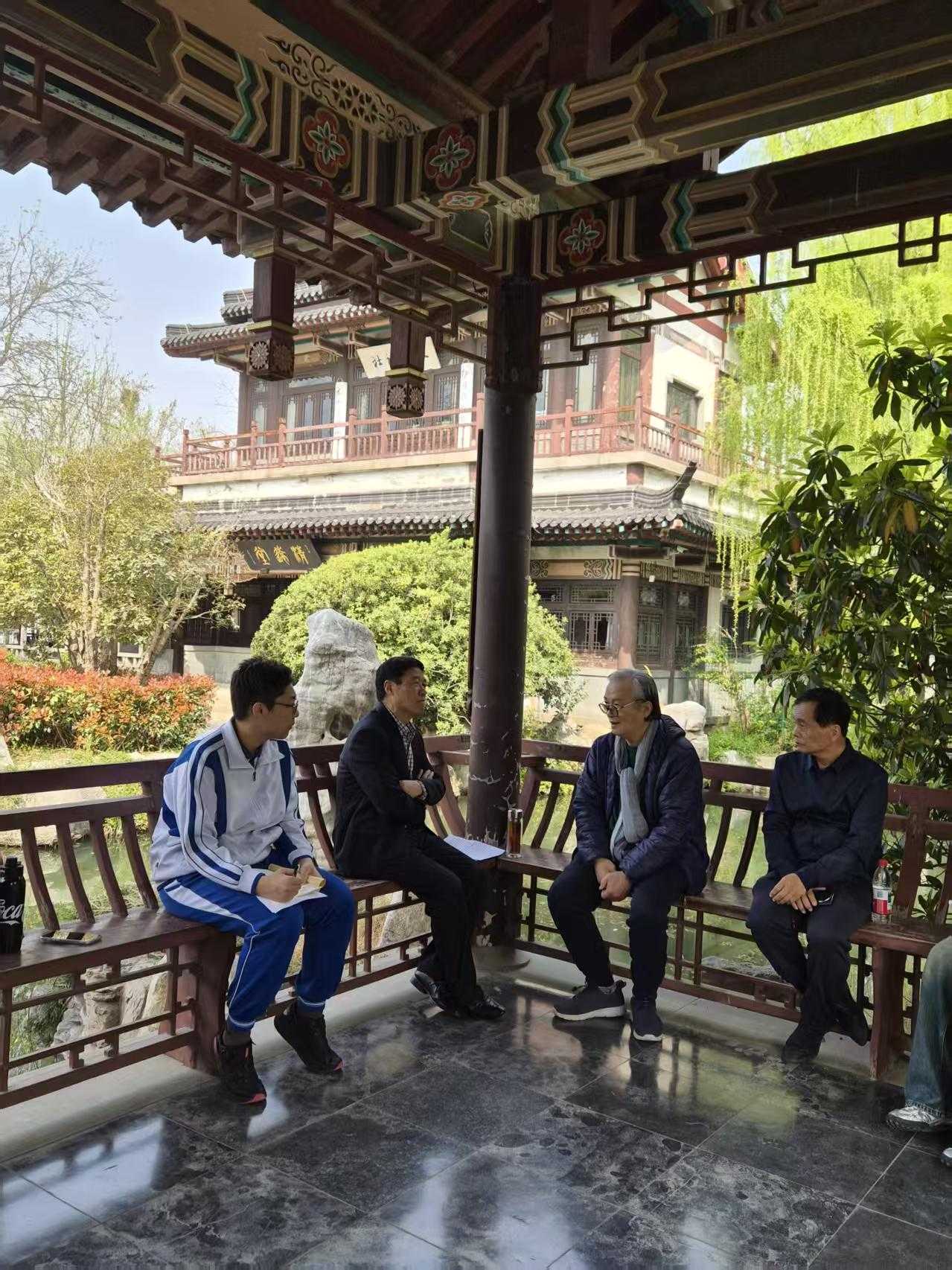
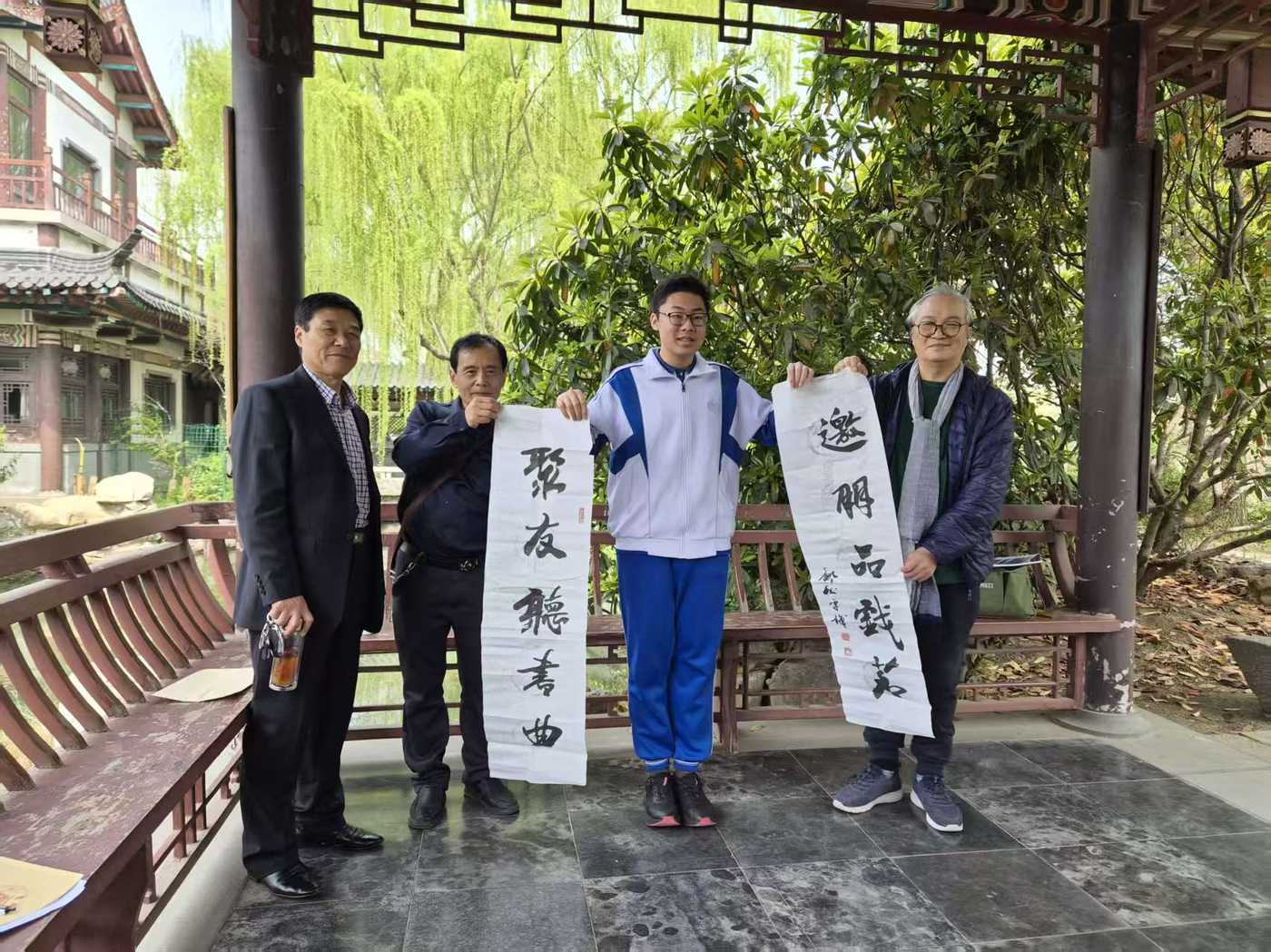
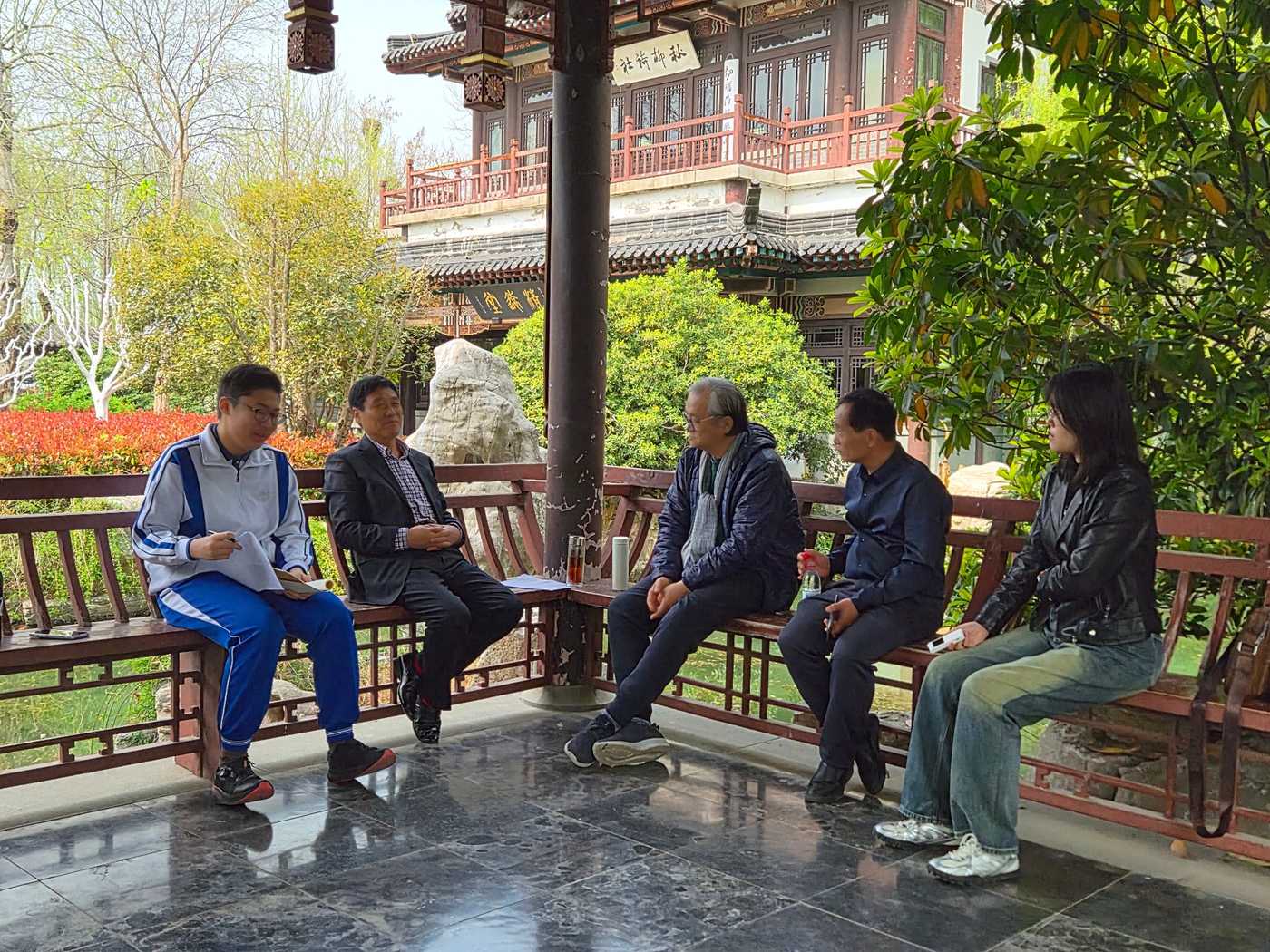
New Year's Eve walks from Mingfucheng past Daming Lake to Black Tiger Spring led to oral-history interviews with three retired experts and ten old-town residents.
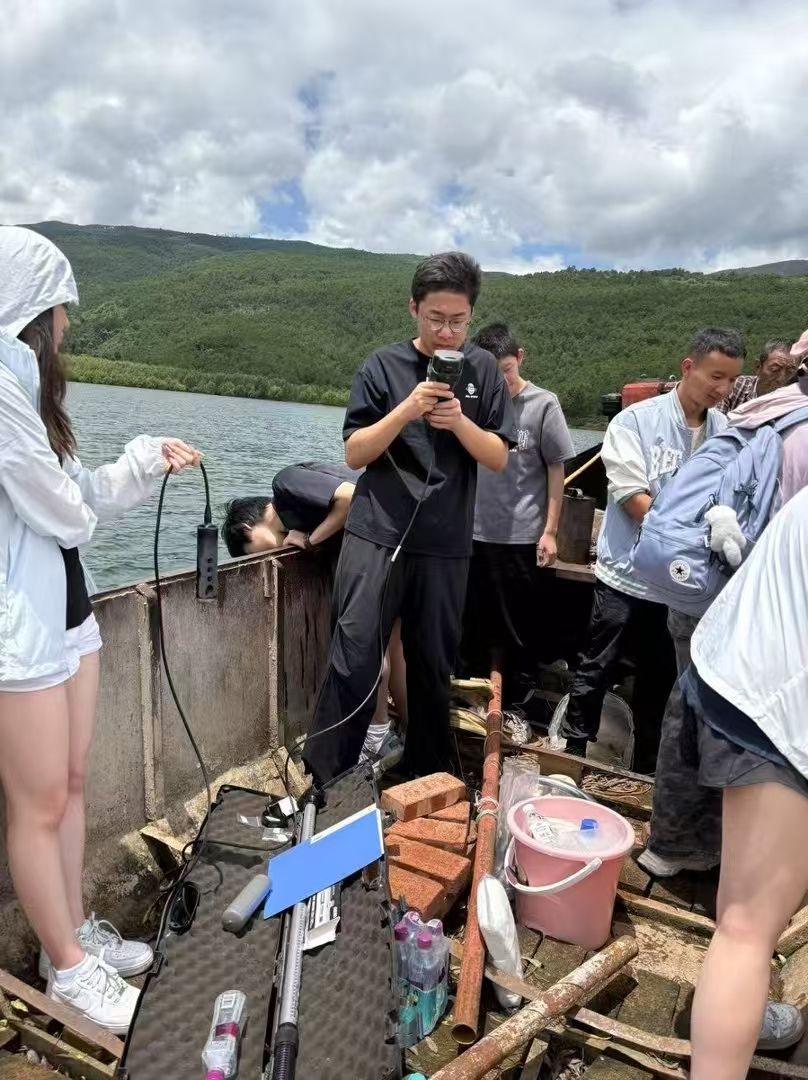
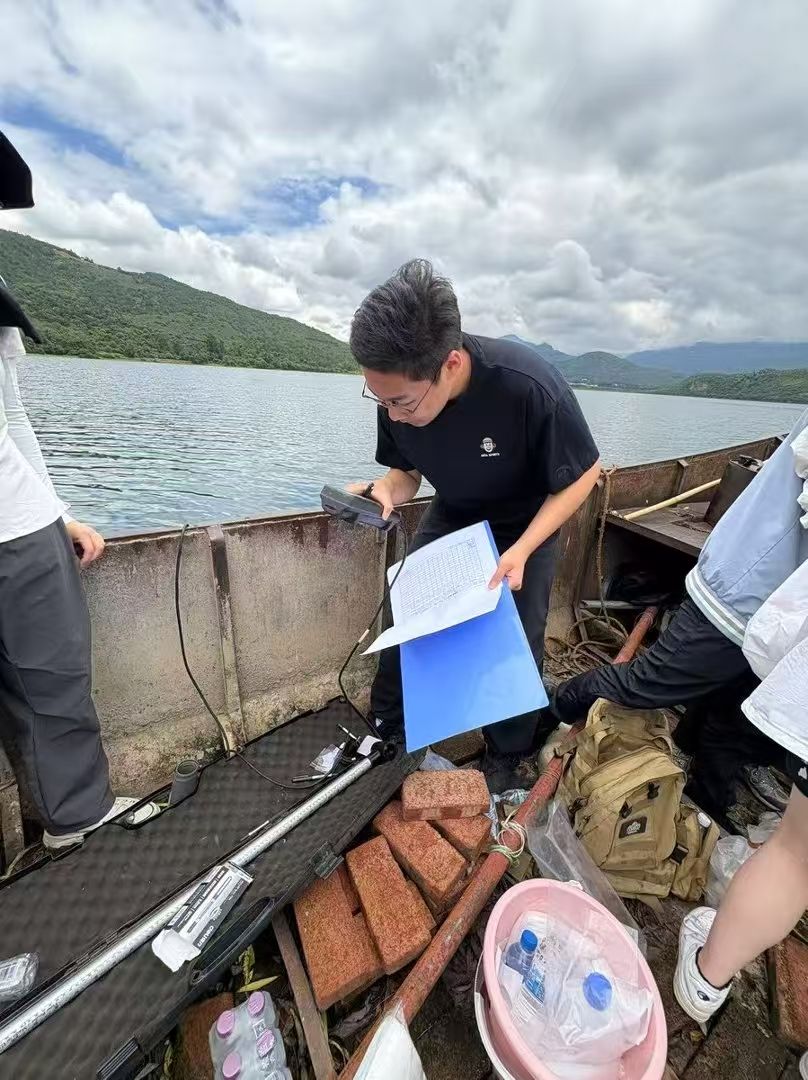
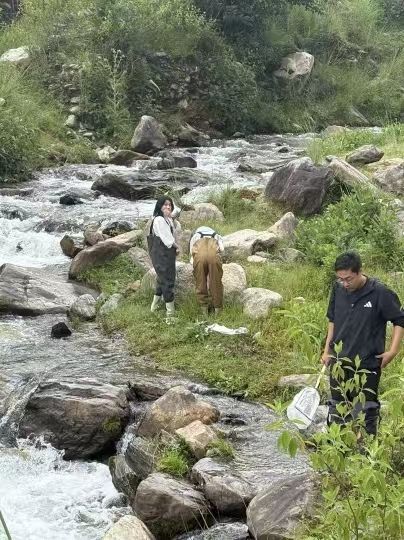
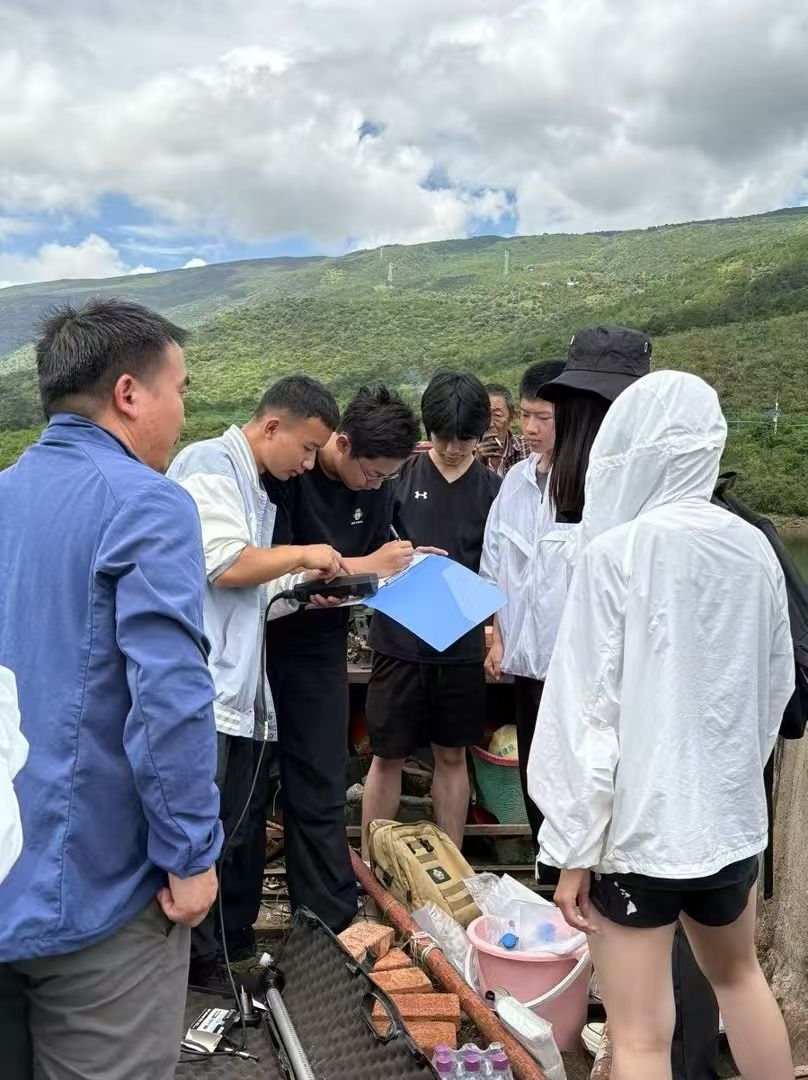
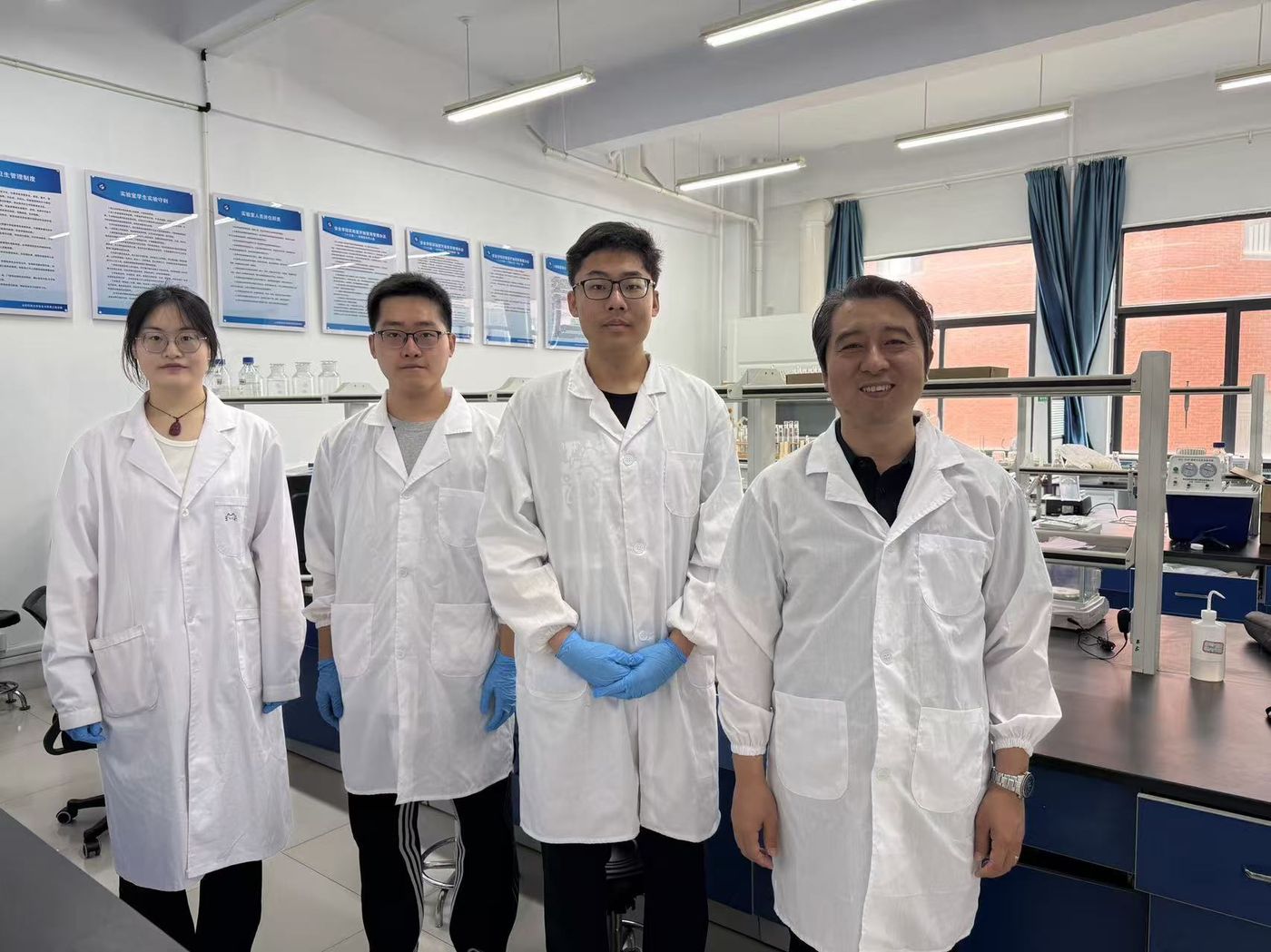
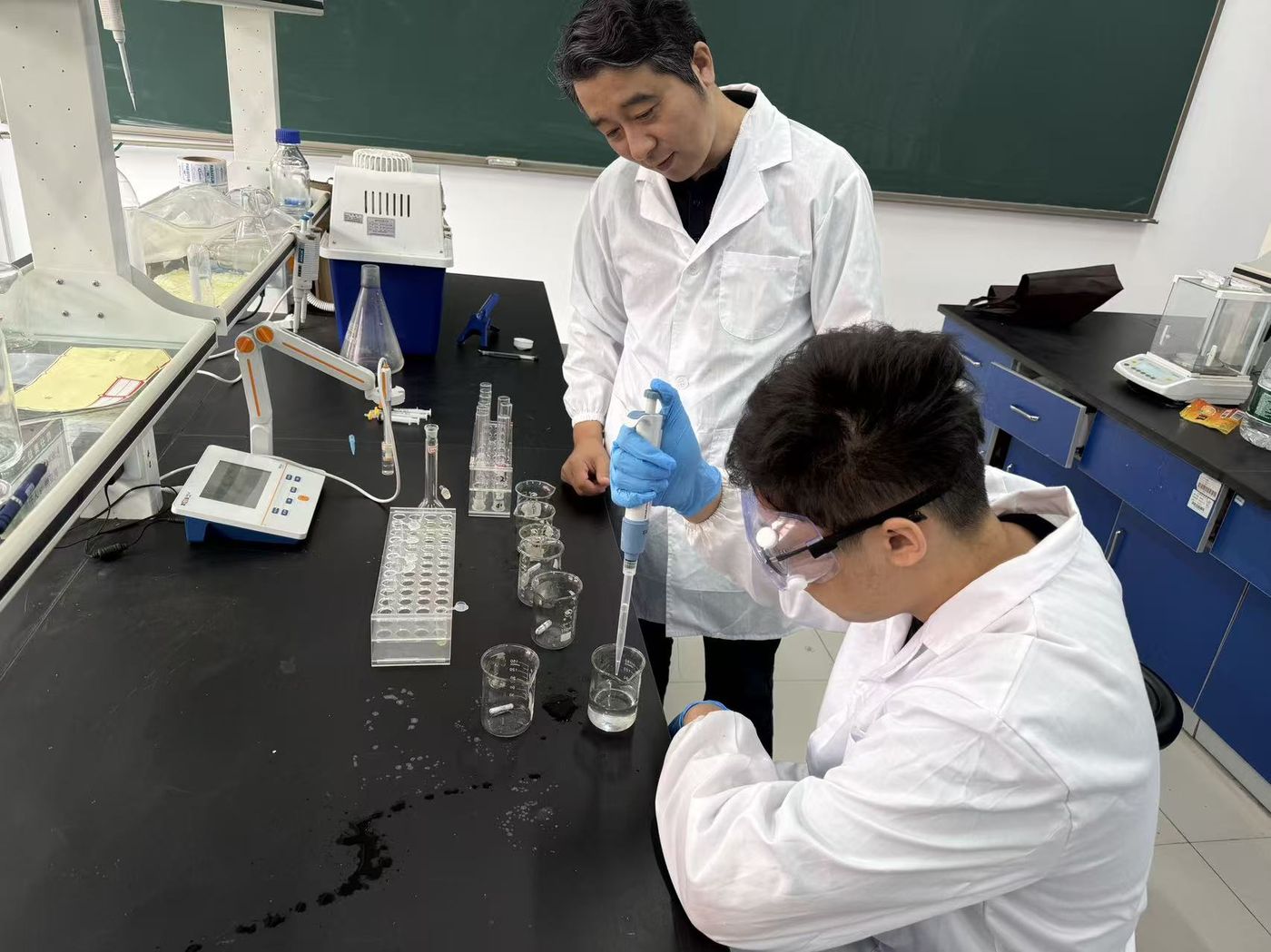
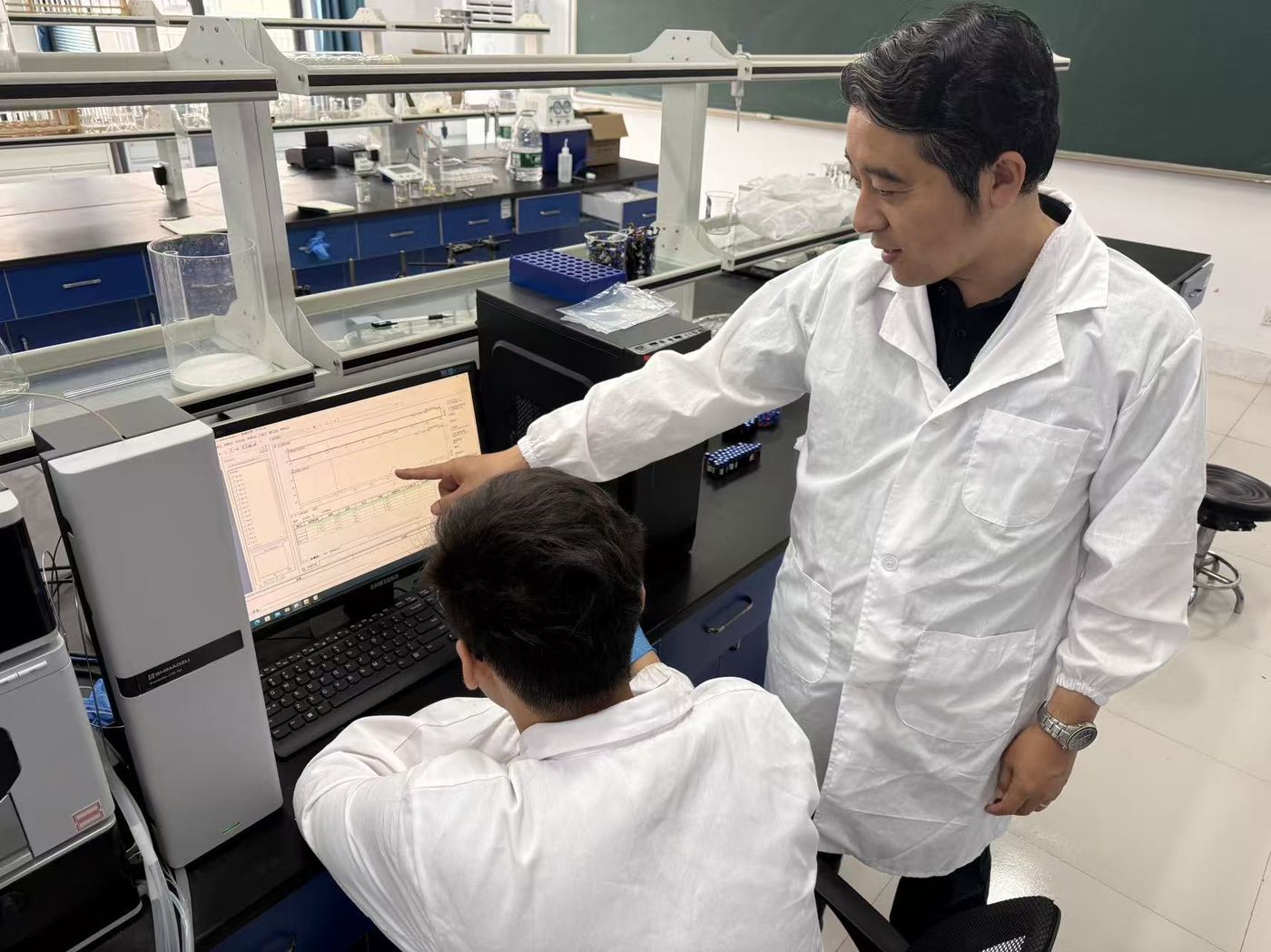
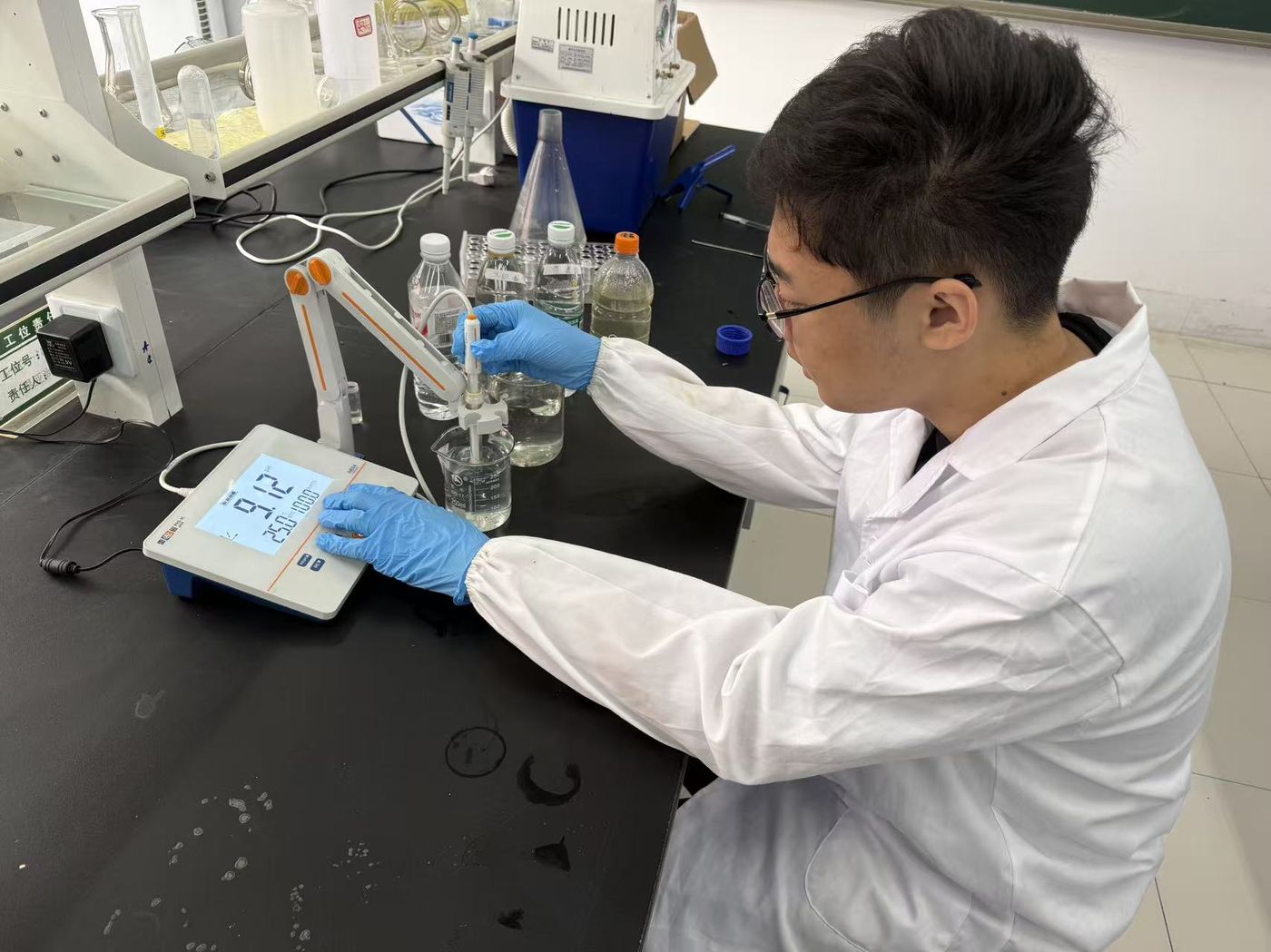
→After field ecology at Erhai Lake, I tested water from Black Tiger Spring, Daming Lake, and Xiaoxi Lake for COD, pH, total phosphorus, total nitrogen, and Cr⁶⁺, alongside Ag/WO₃ photocatalysis research.
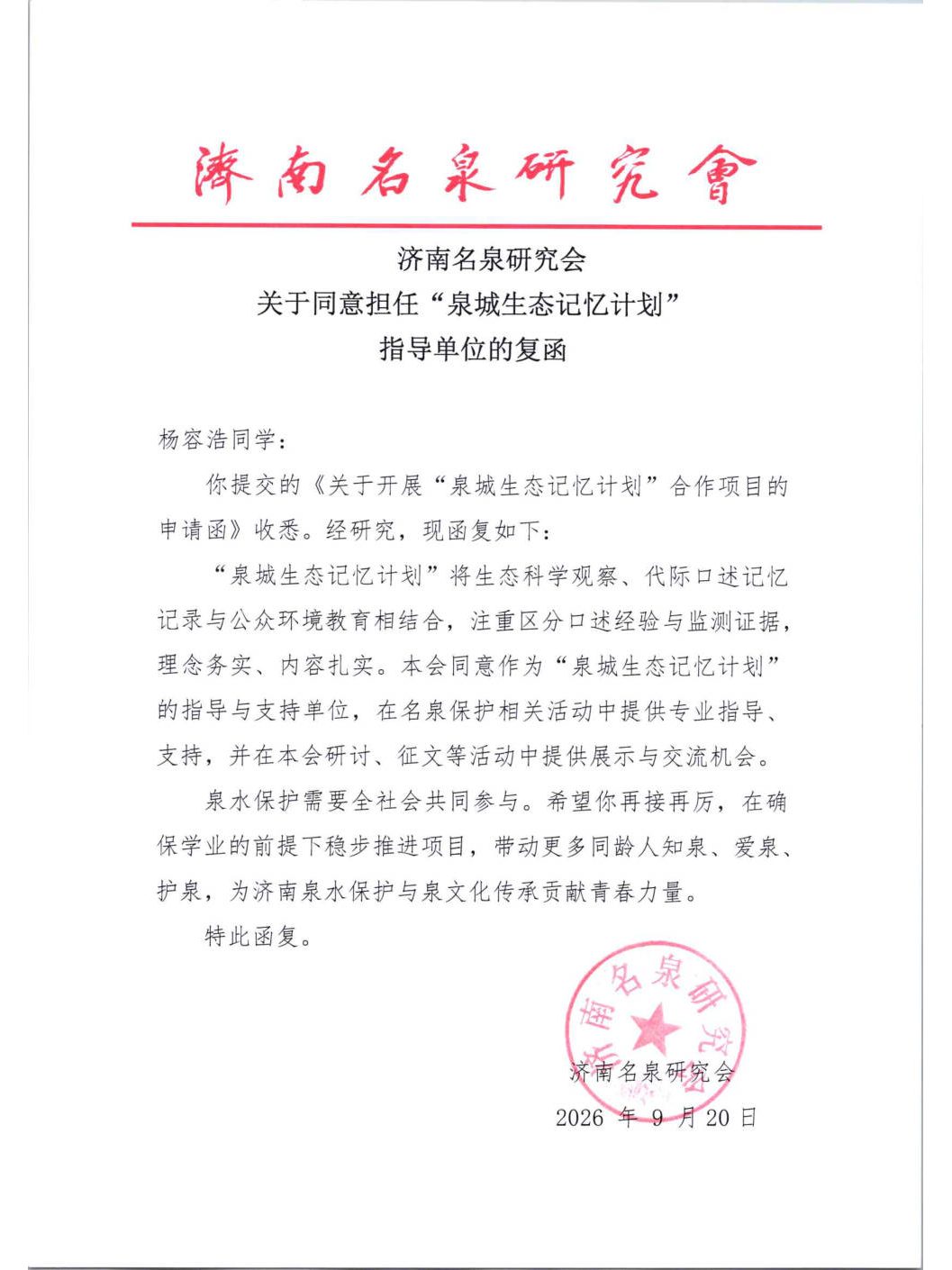
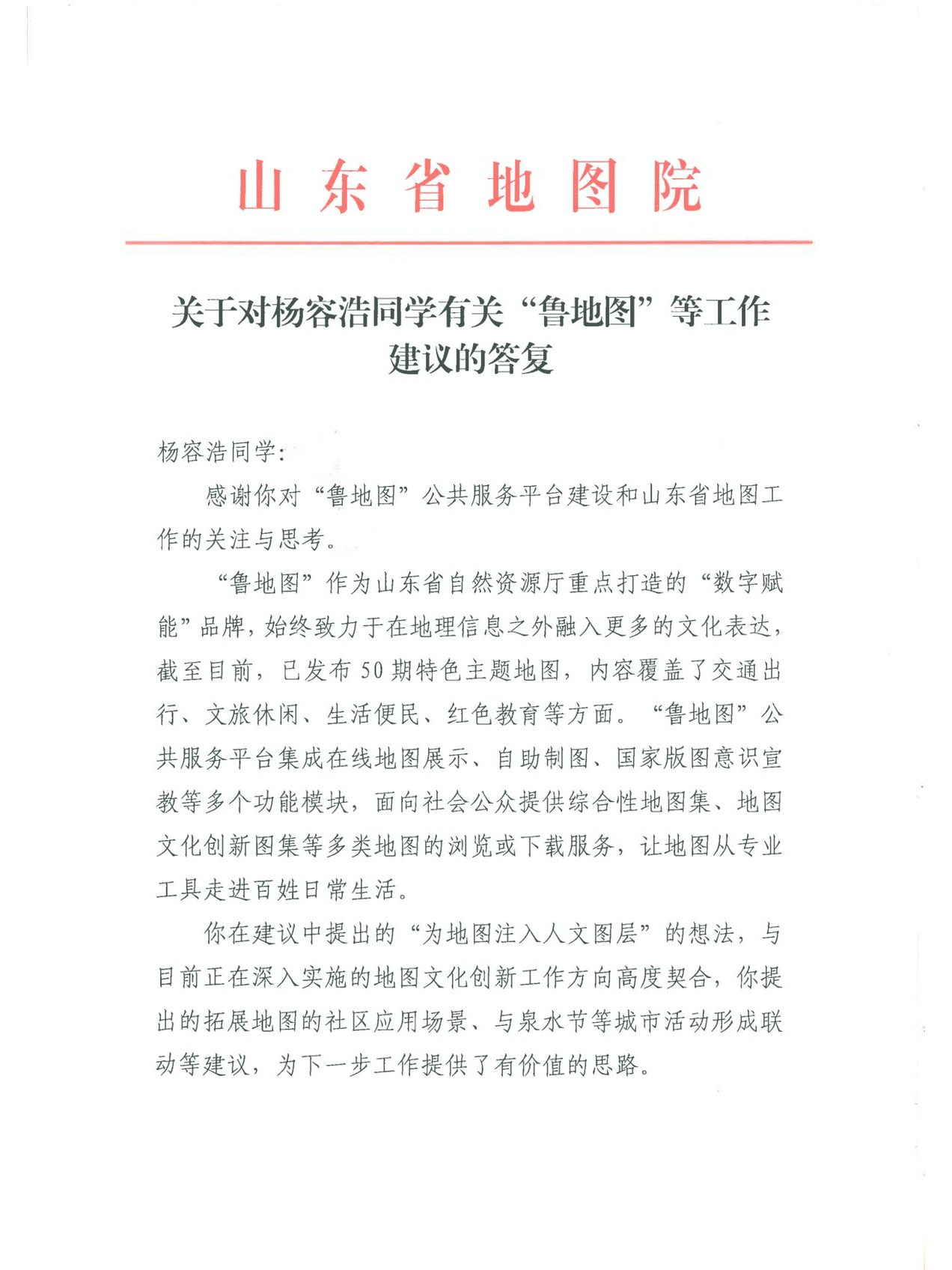
→I brought data and memory together in nine exhibition panels, a Memory Exchange for 30+ residents, public teaching, and proposals that received a formal reply from the Shandong Provincial Institute of Maps.
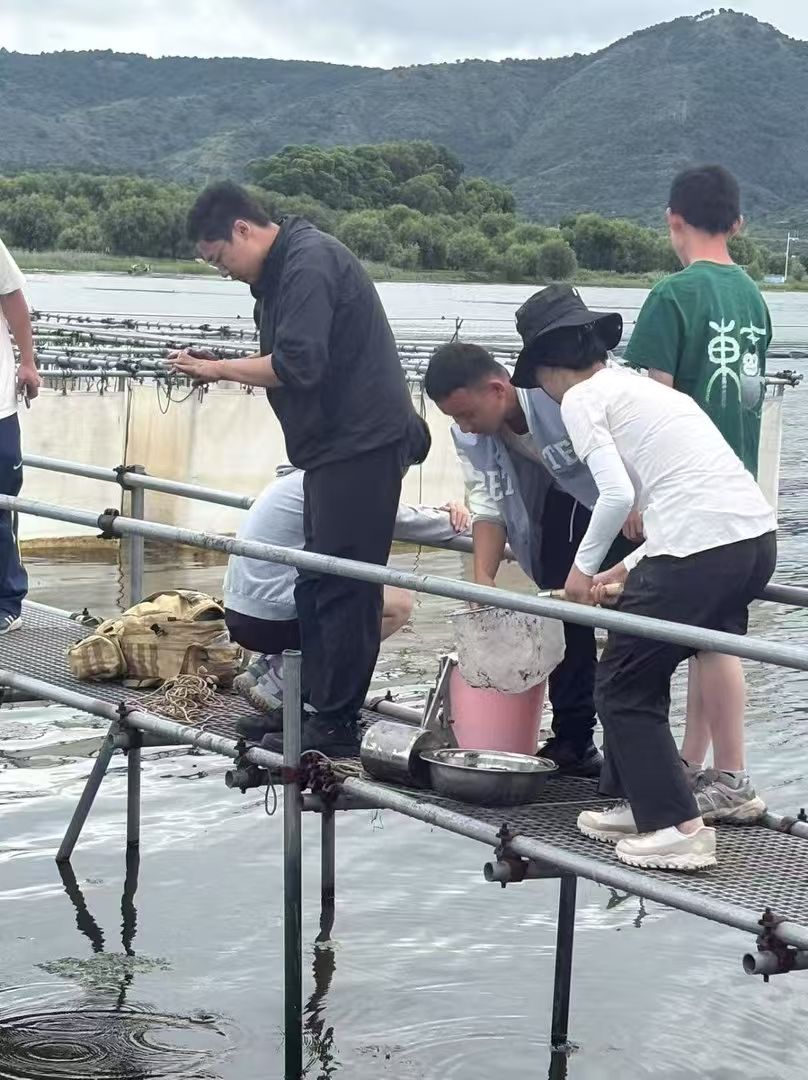
Every New Year's Eve, my father and I walk from Mingfucheng past Daming Lake and along the moat to Black Tiger Spring. For years, I mistook familiarity for understanding. Field ecology at Erhai Lake taught me that water carries evidence the eye cannot see, so I returned home to sample Black Tiger Spring, Daming Lake, and Xiaoxi Lake, then compared laboratory measurements with the memories of retired city builders and old-town residents.


The project grew into nine exhibition panels and a community “Memory Exchange” with 30+ residents during the Jinan Spring Water Festival — and groundwater recharge became an original Shandong Kuaishu tale for children.
“Data can tell me what changed; people can tell me what those changes mean.”
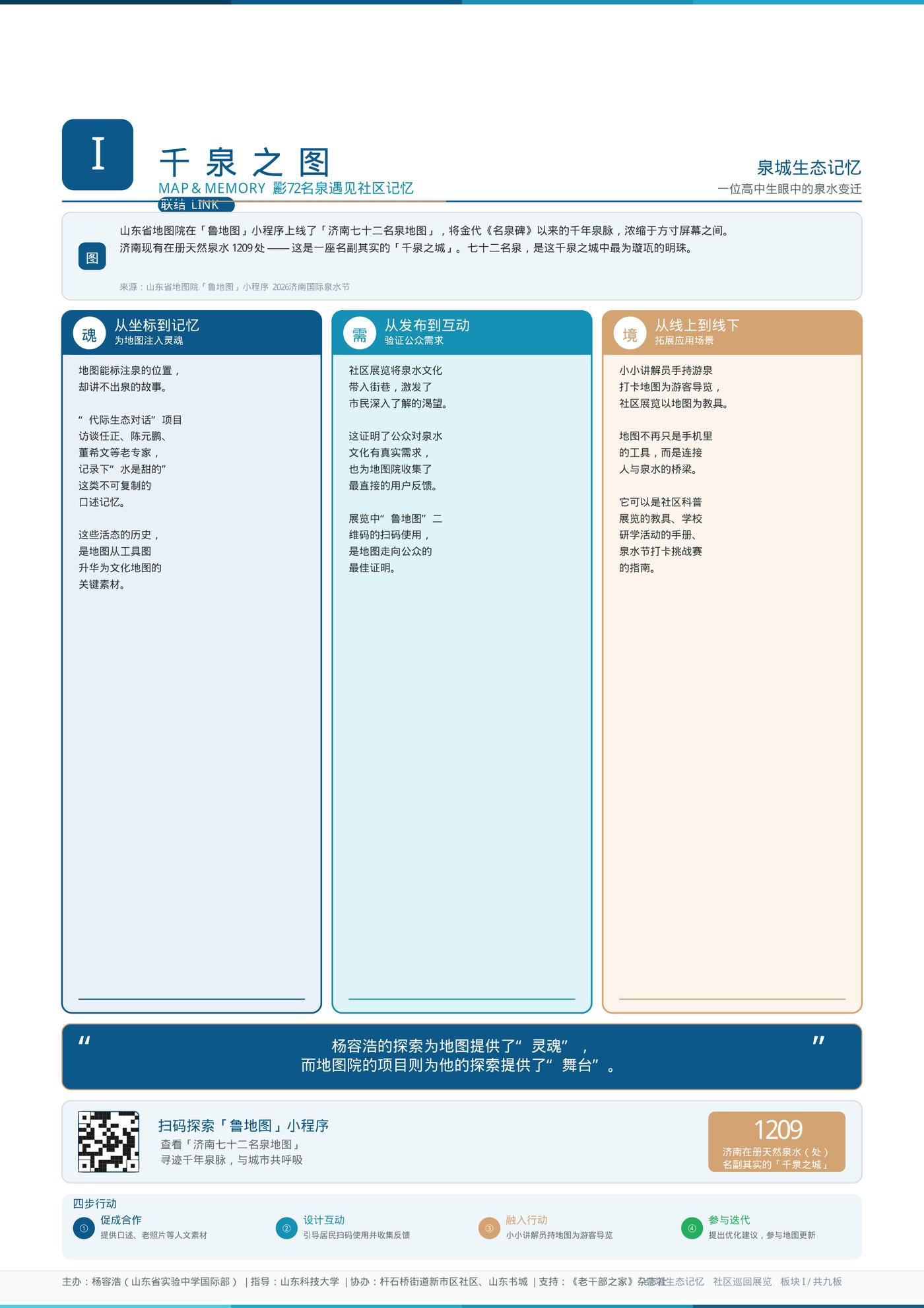
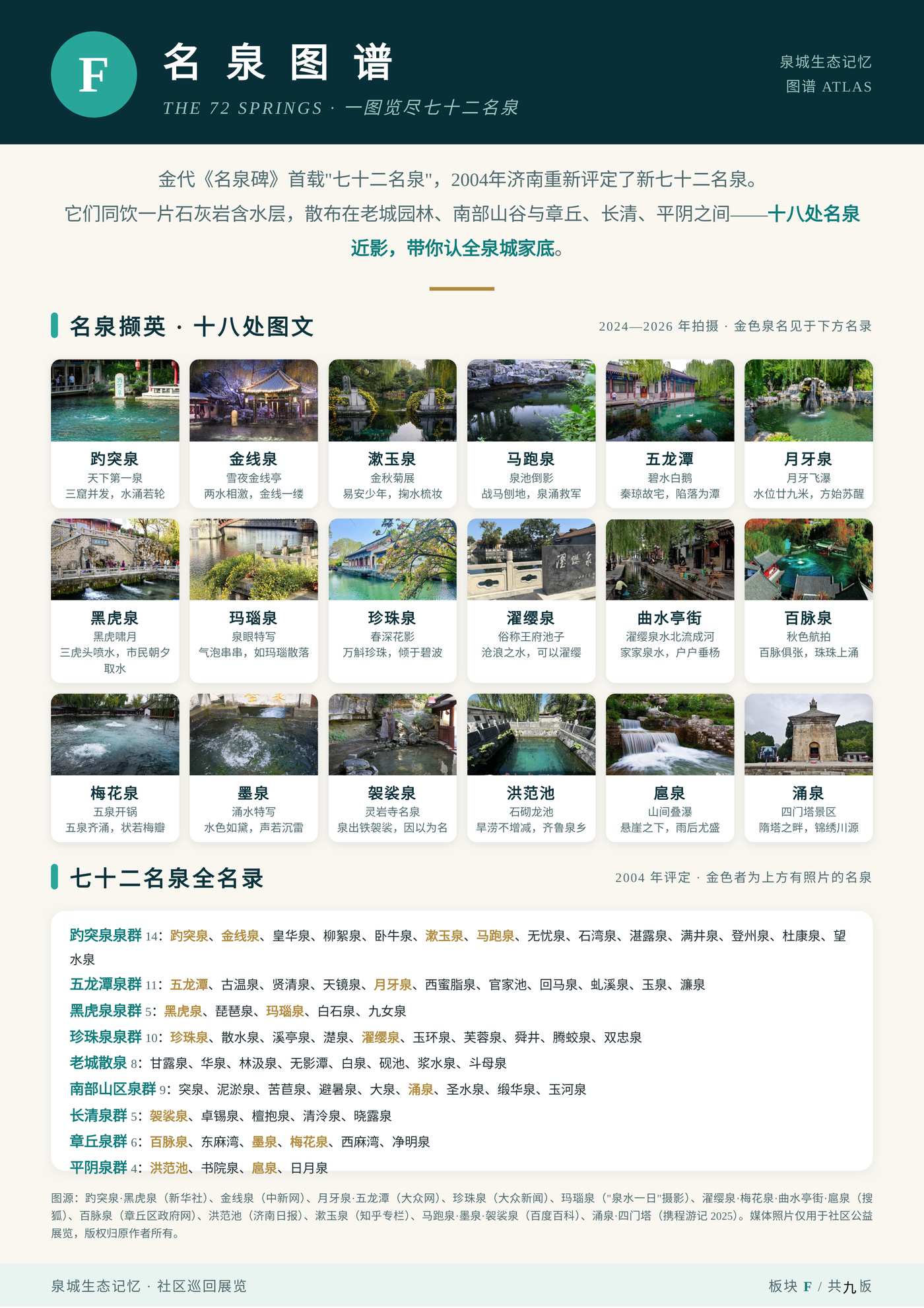
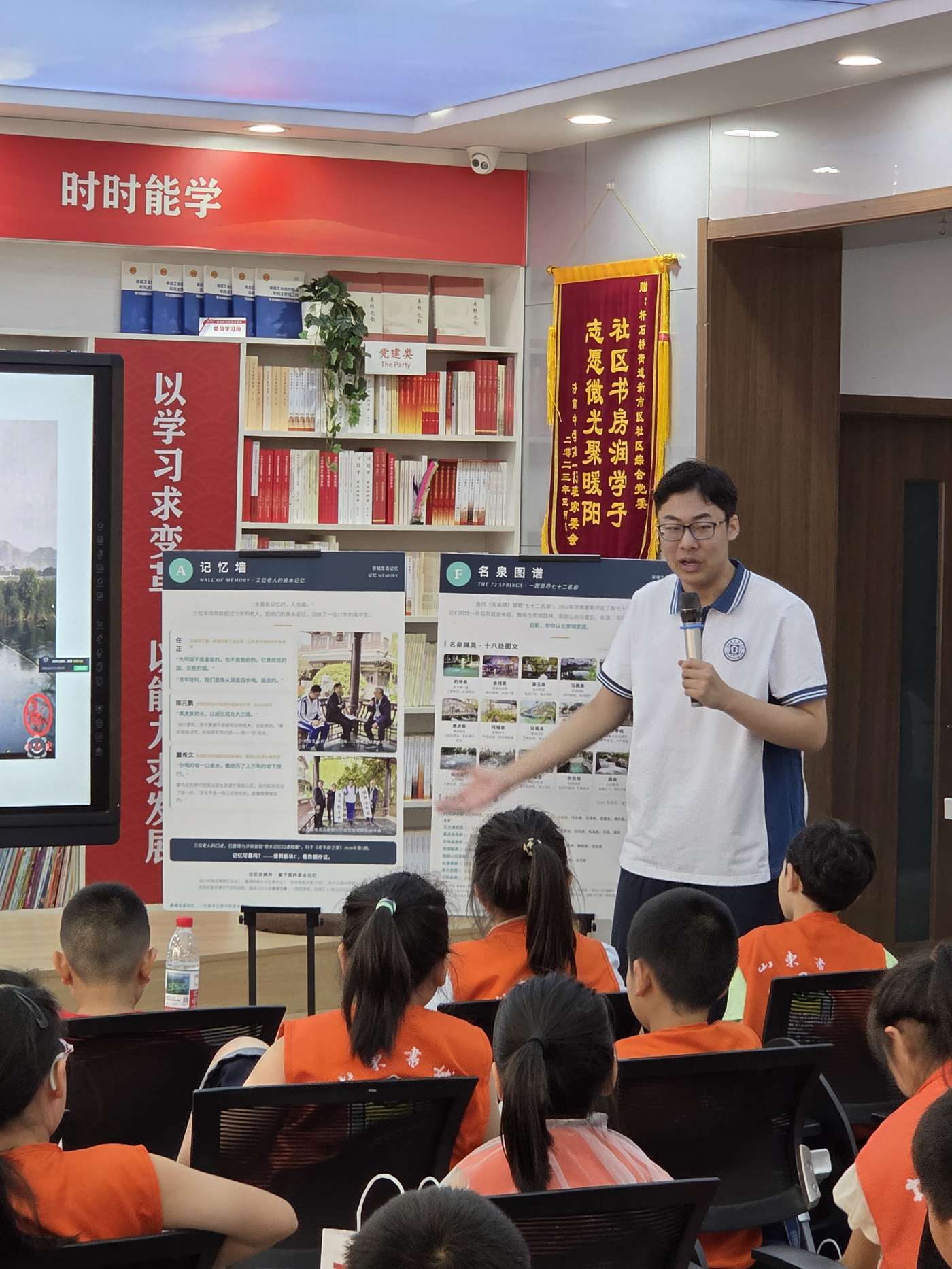
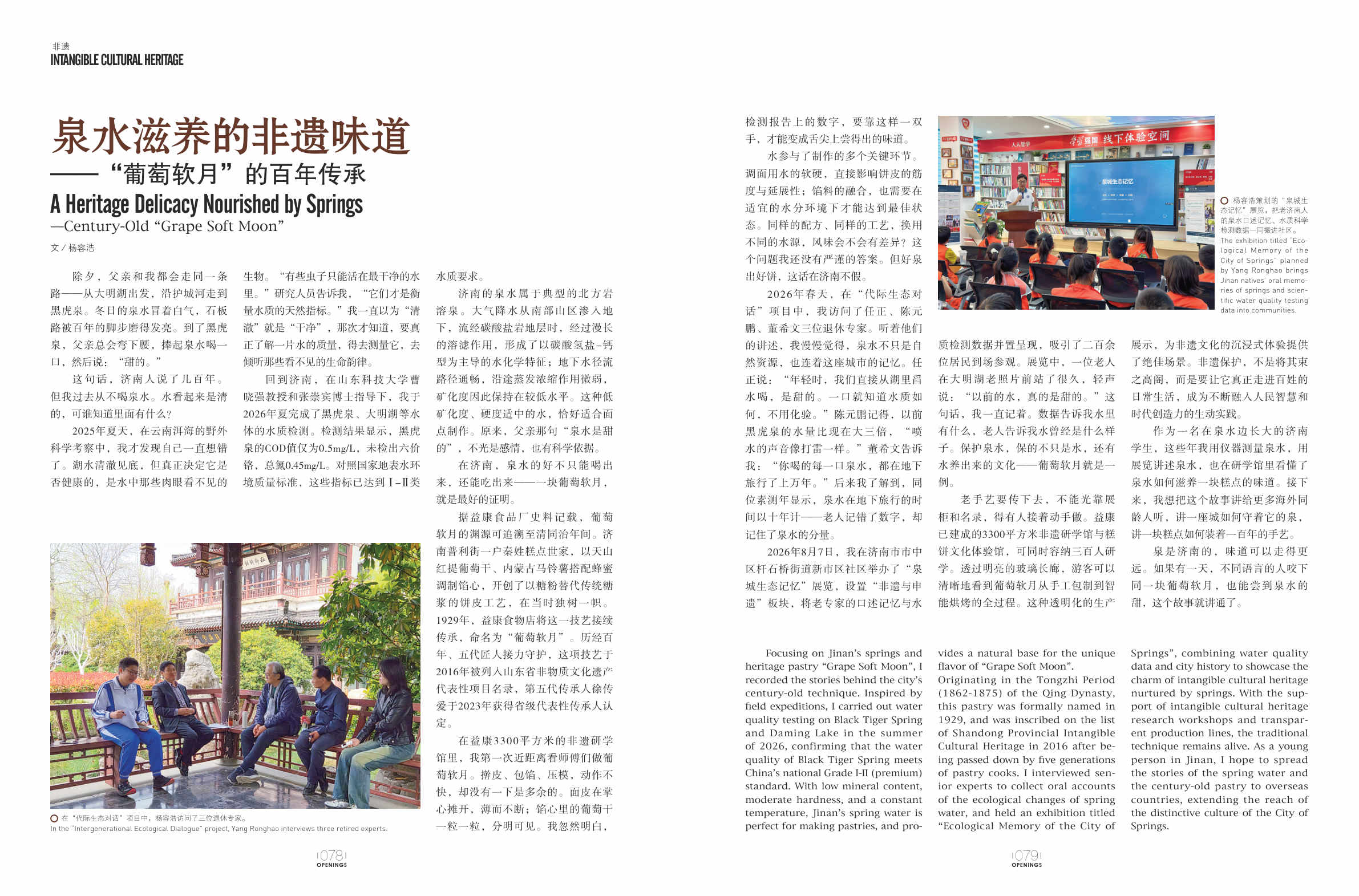
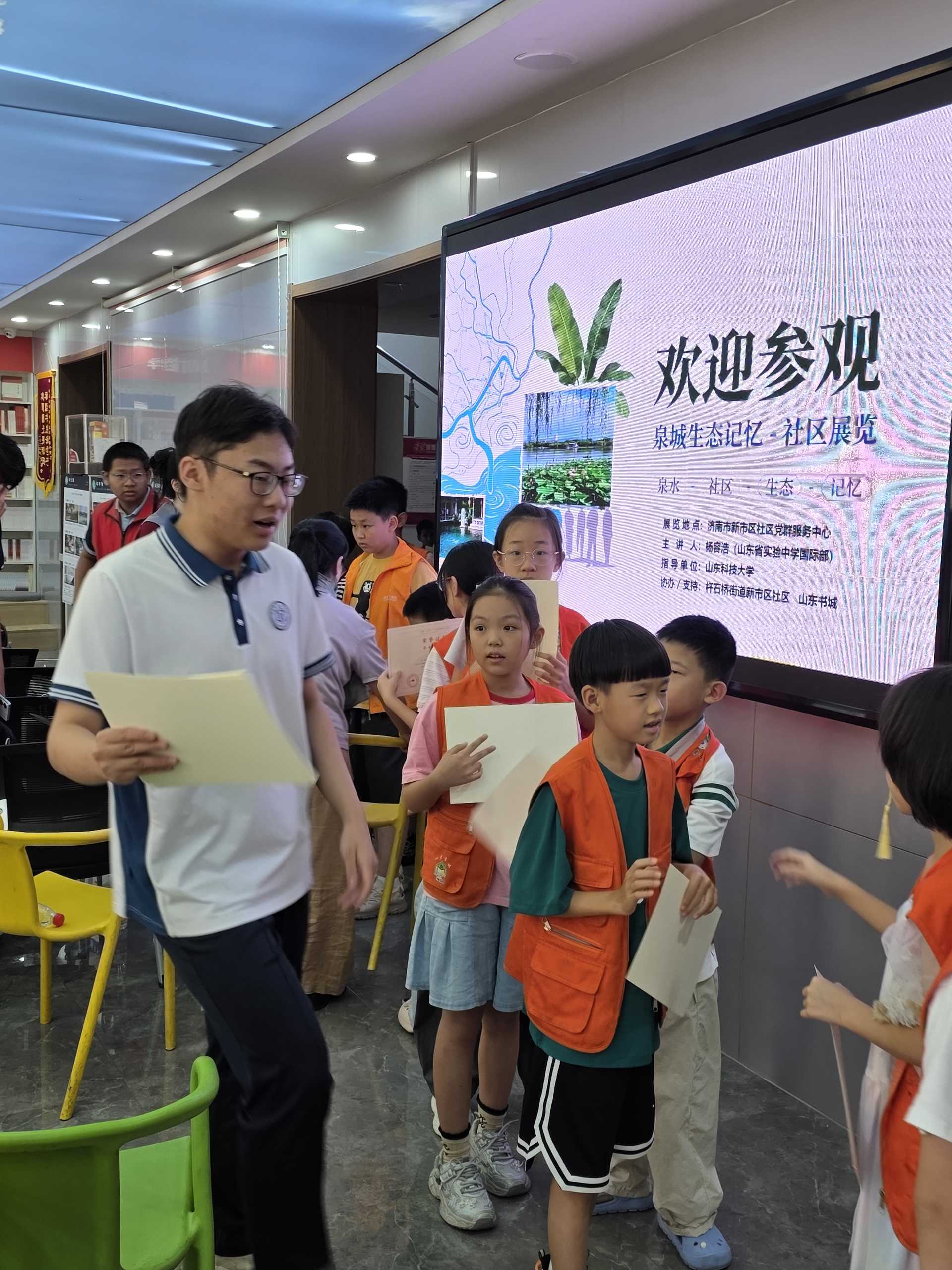
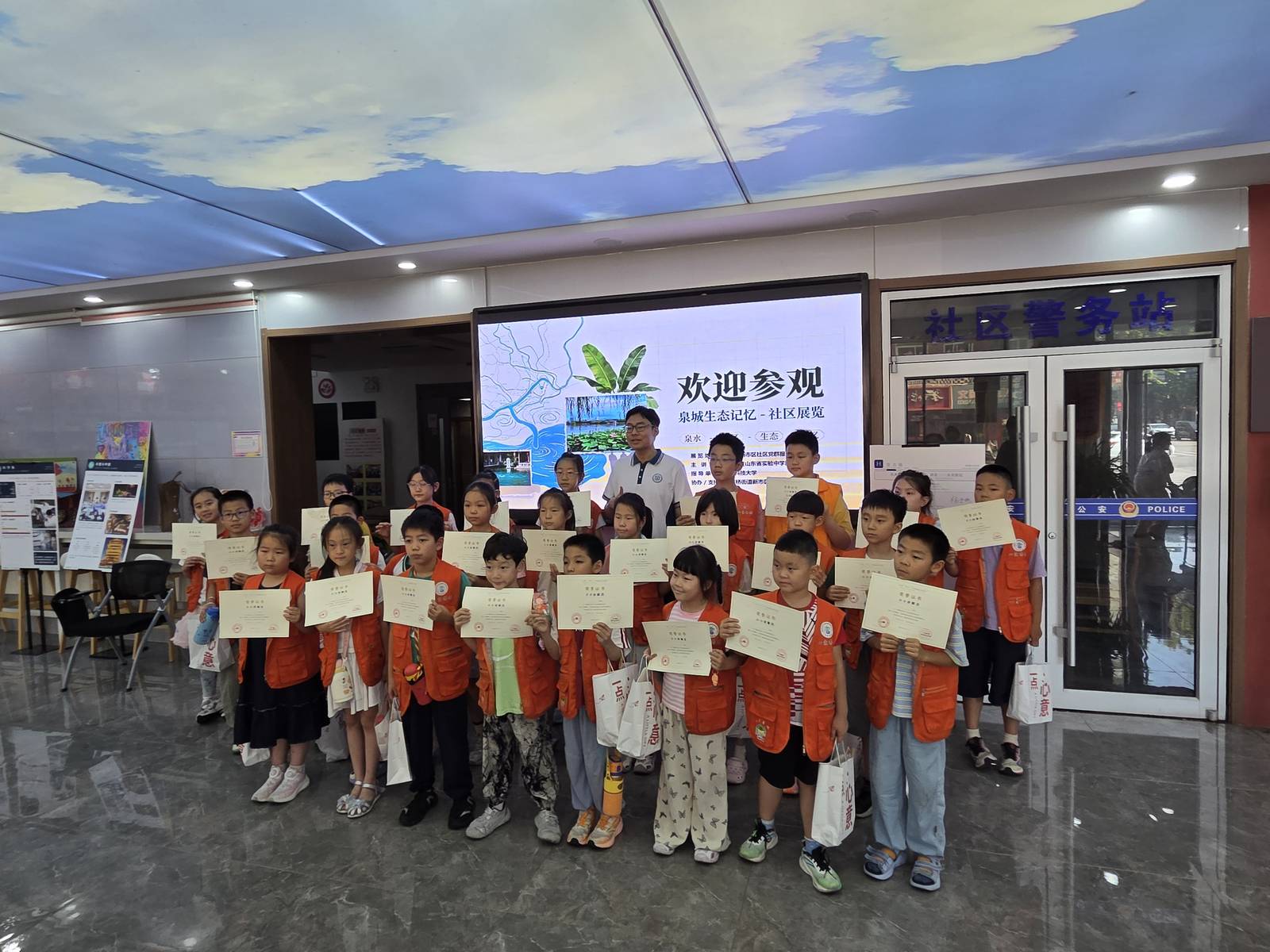
On 7 August 2026 the exhibition travelled to the Xinshi Community Party-Mass Service Centre in Ganshiqiao Subdistrict, Shizhong District, arranged in six sections — Memory Wall, Then & Now, Science Corner, Intangible Heritage & the World-Heritage Bid, Actions & Outcomes, and the Spring Atlas — with a “Memory Exchange Station” where older residents added recollections of their own, and pupil docents from Zhujia Primary School trained on site before guiding visitors.
“像你这样愿意花时间去采访老同志、做科学检测,再把成果搬进社区的高中生,让我觉得济南的泉水文化有传承的希望了。” — a former deputy director of the Jinan municipal garden and landscaping bureau, visiting the exhibition.
新黄河 (Jinan Times) · 11 Aug 2026 · reporter 史春勇 · the report traces the full loop — interviews with three retired experts, the June 2026 water tests (Black Tiger Spring COD 0.5 mg/L, clean; Daming Lake total nitrogen 7.2 mg/L), and the return of that evidence to the community — and notes that the findings were matched against what residents remembered.
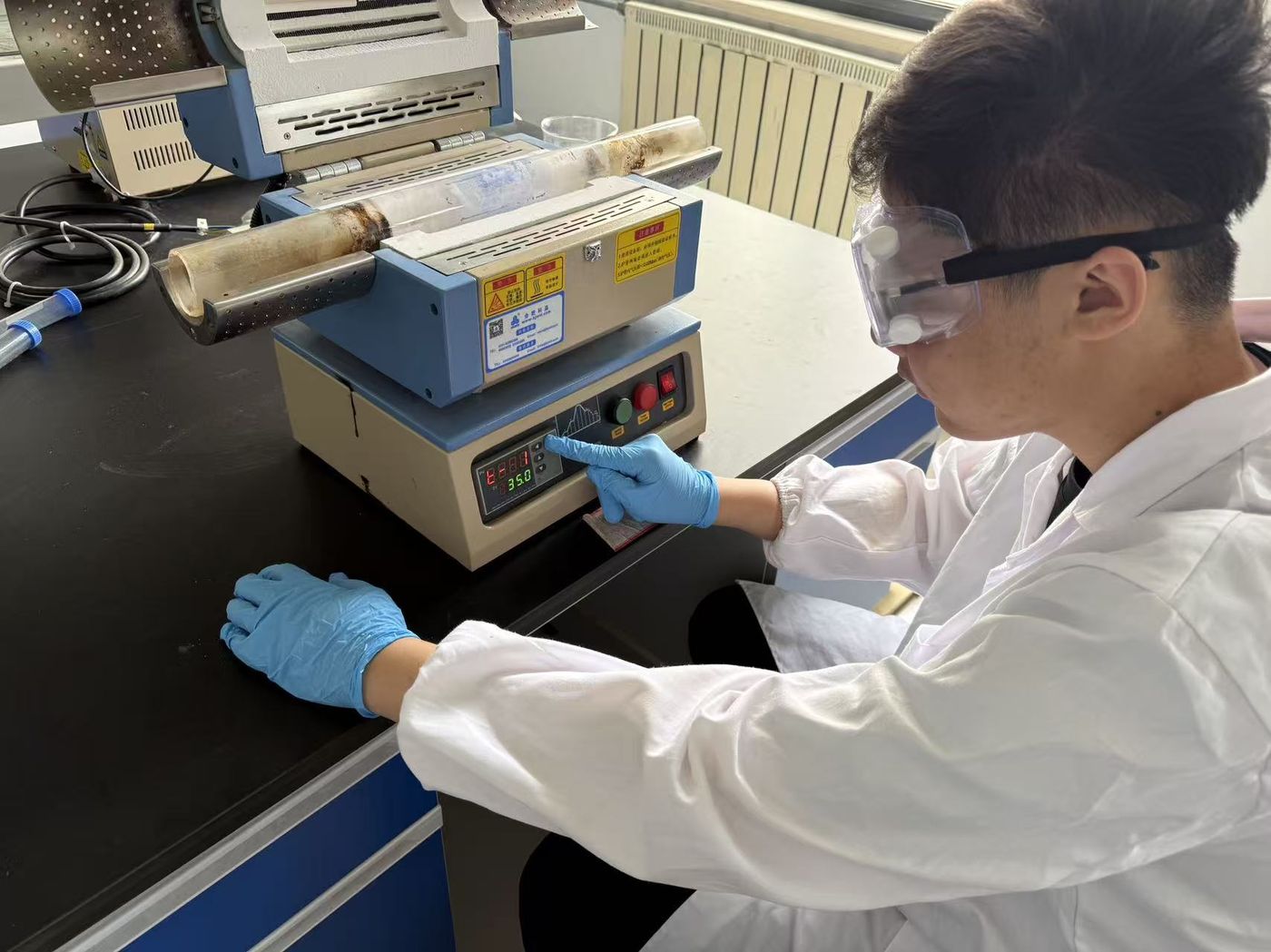
At Erhai Lake in Yunnan, I learned to read water through aquatic insects and measured parameters rather than appearance alone. Back home, with Prof. Xiaoqiang Cao and Dr. Chongbin Zhang at Shandong University of Science and Technology, I tested Black Tiger Spring, Daming Lake and Xiaoxi Lake and prepared Ag/WO₃ photocatalytic materials, reaching 97.1% berberine degradation at pH 11.


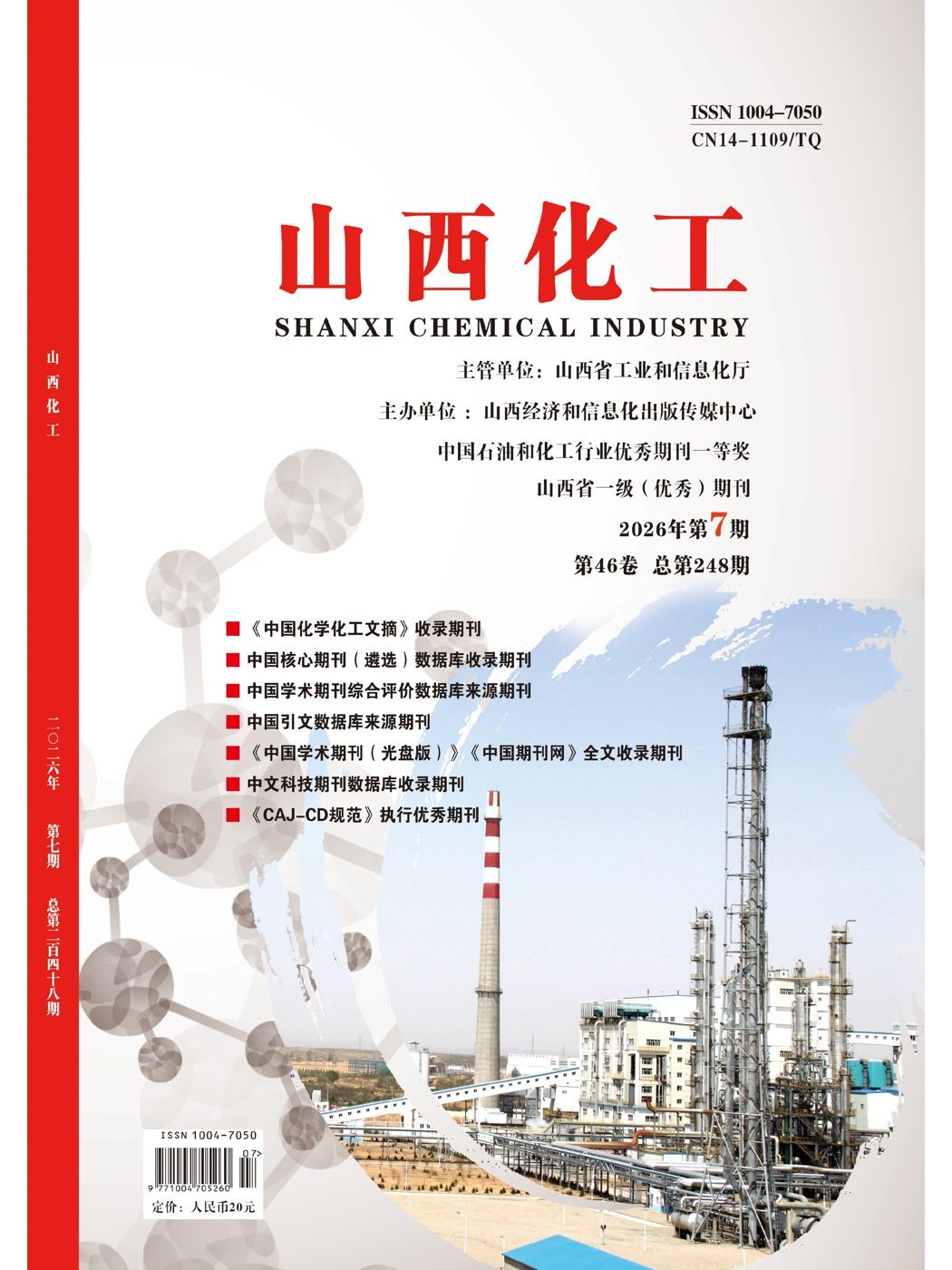
Two papers came out of this work: a co-authored taxonomy description, First Description of Adults of Cincticostella insolta (Open Journal of Ecology, Dec 2025), and my first-author paper in Shanxi Chemical Industry (2026, Issue 7).
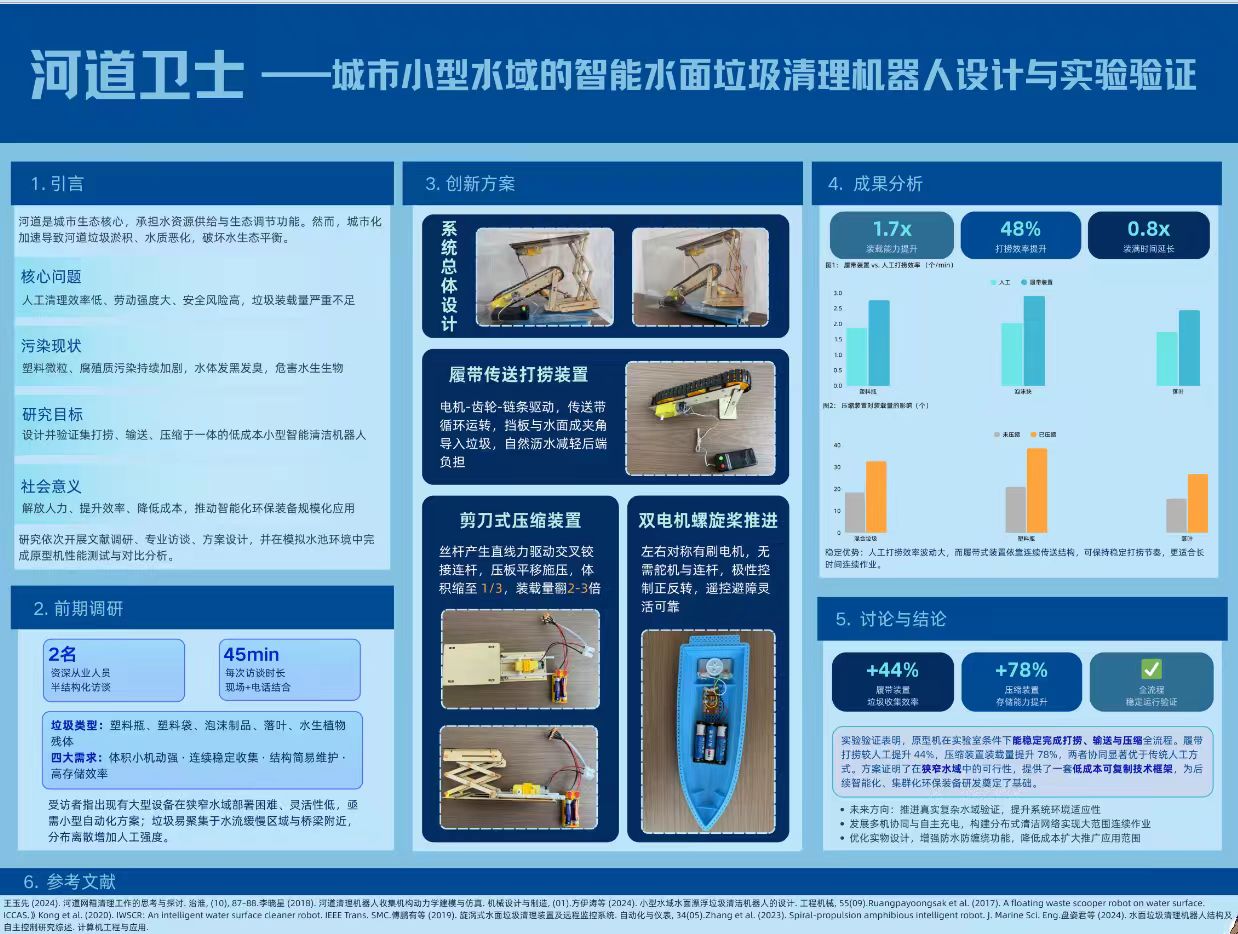
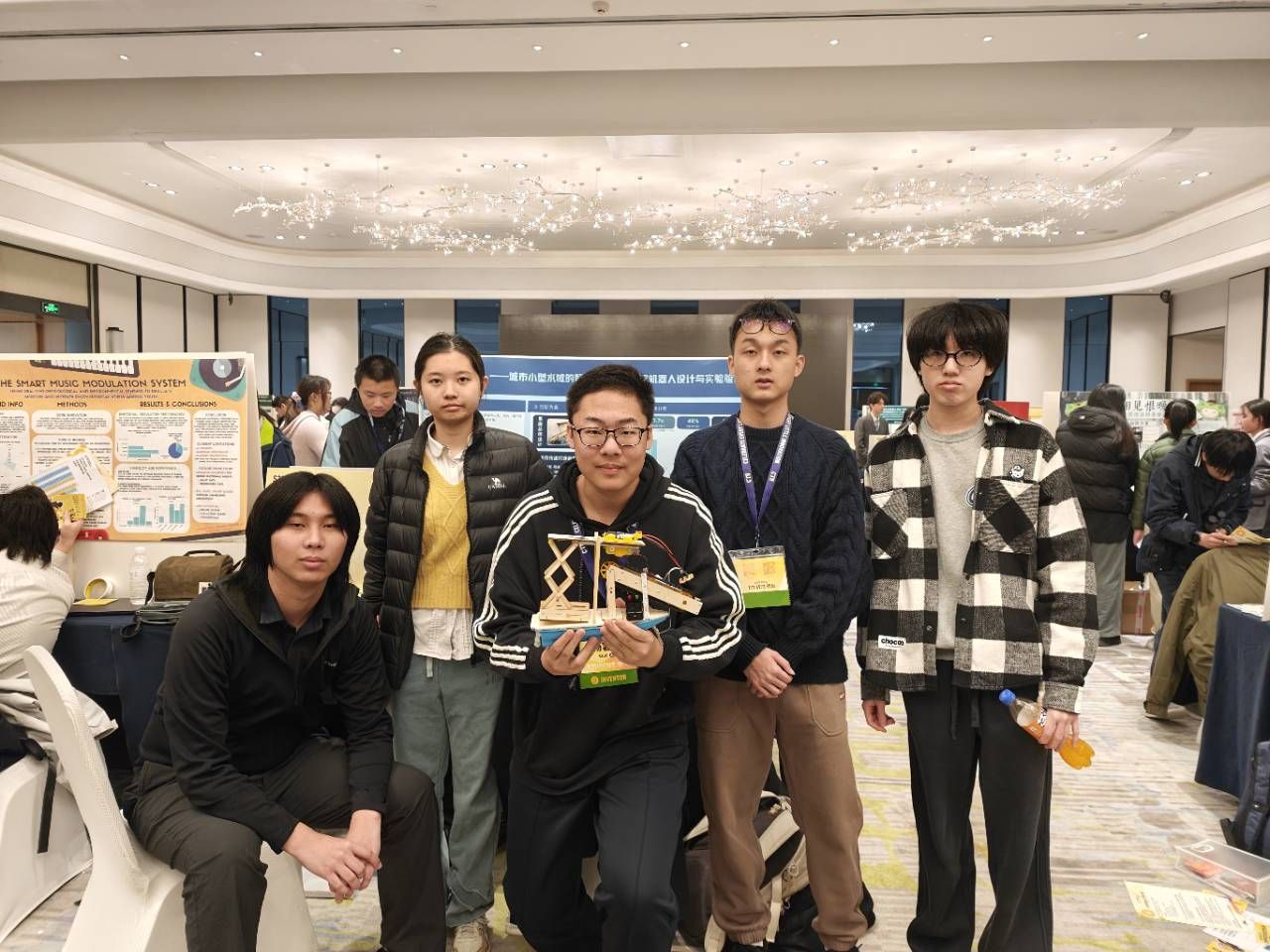
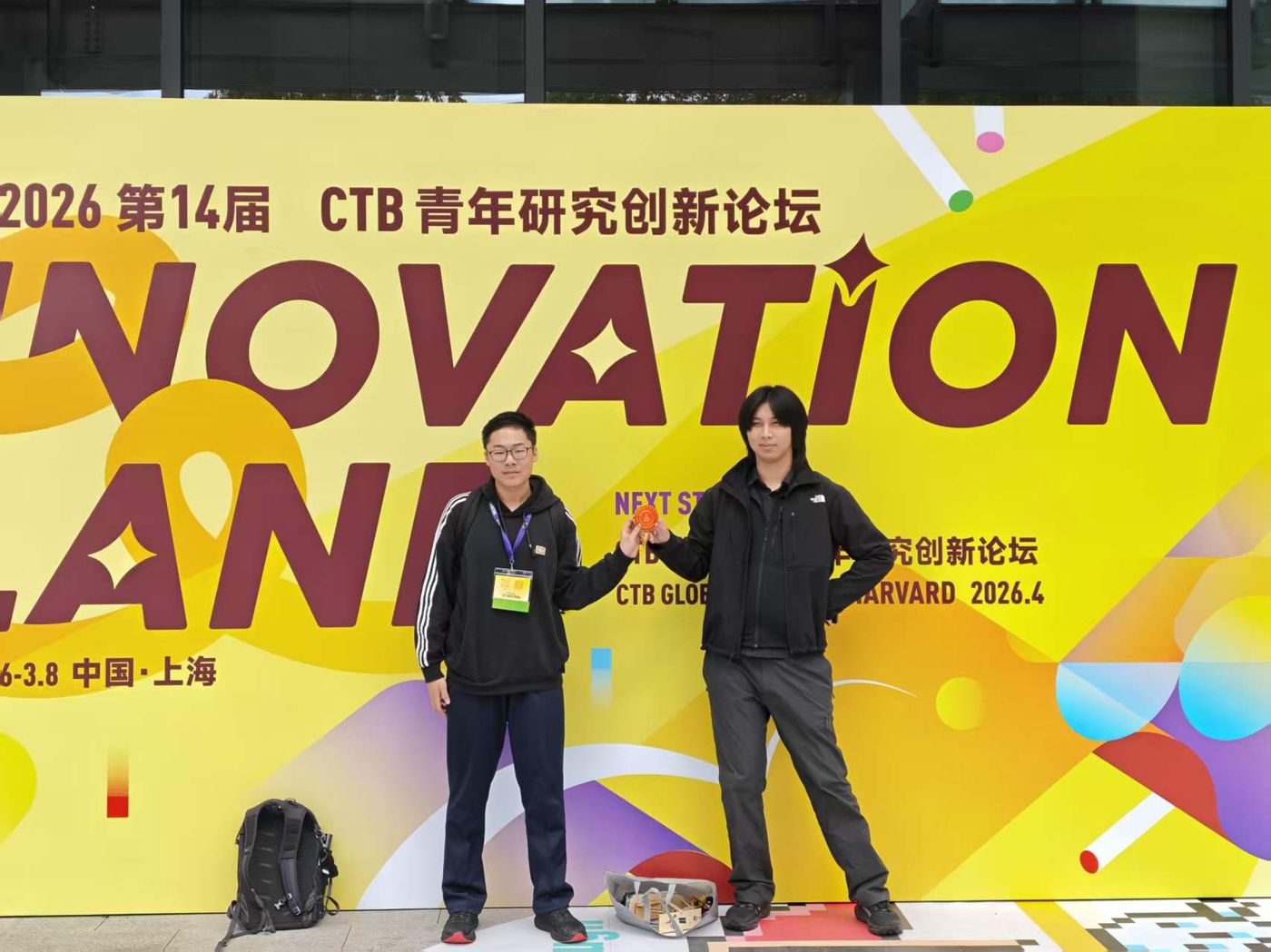
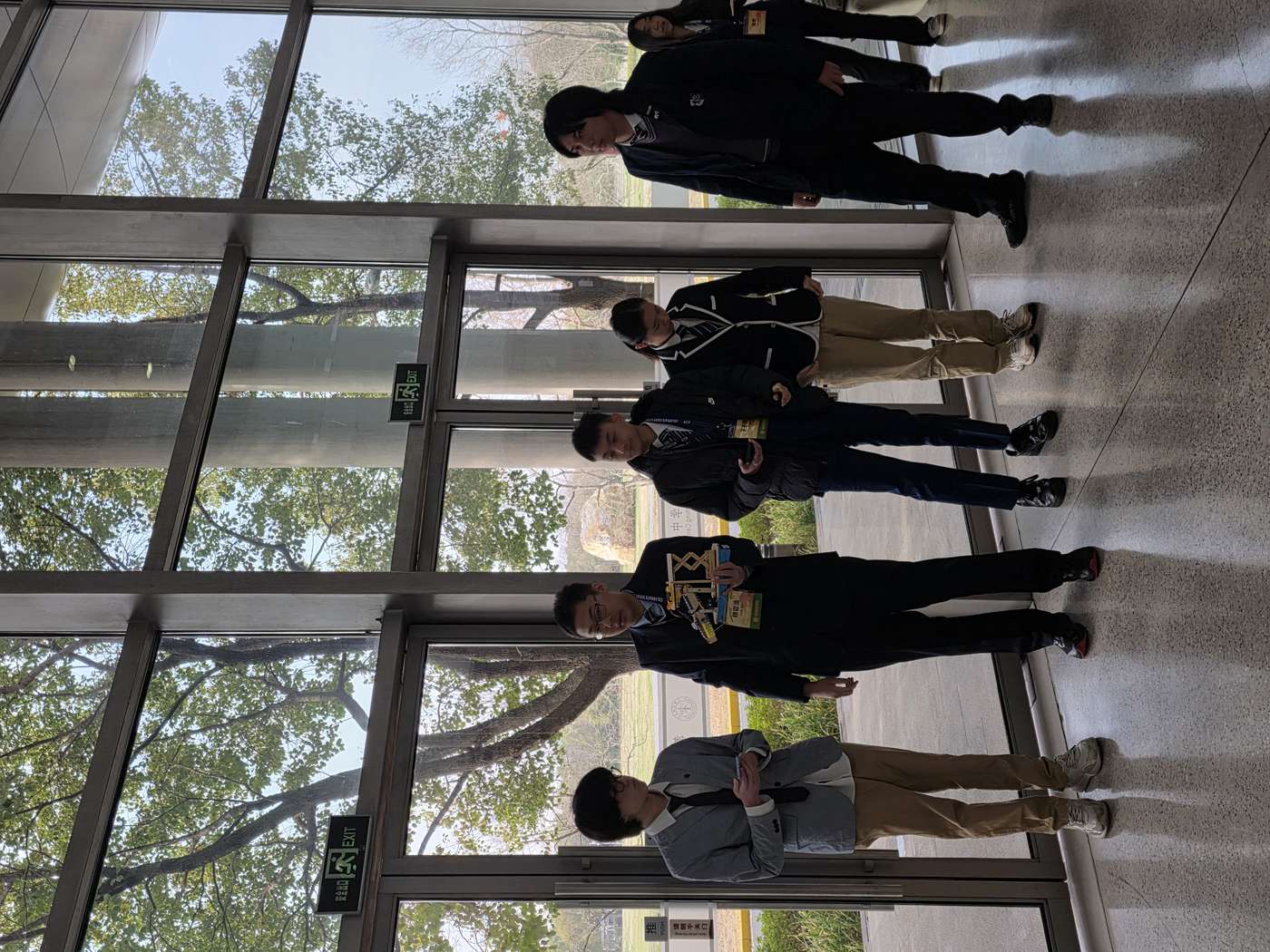
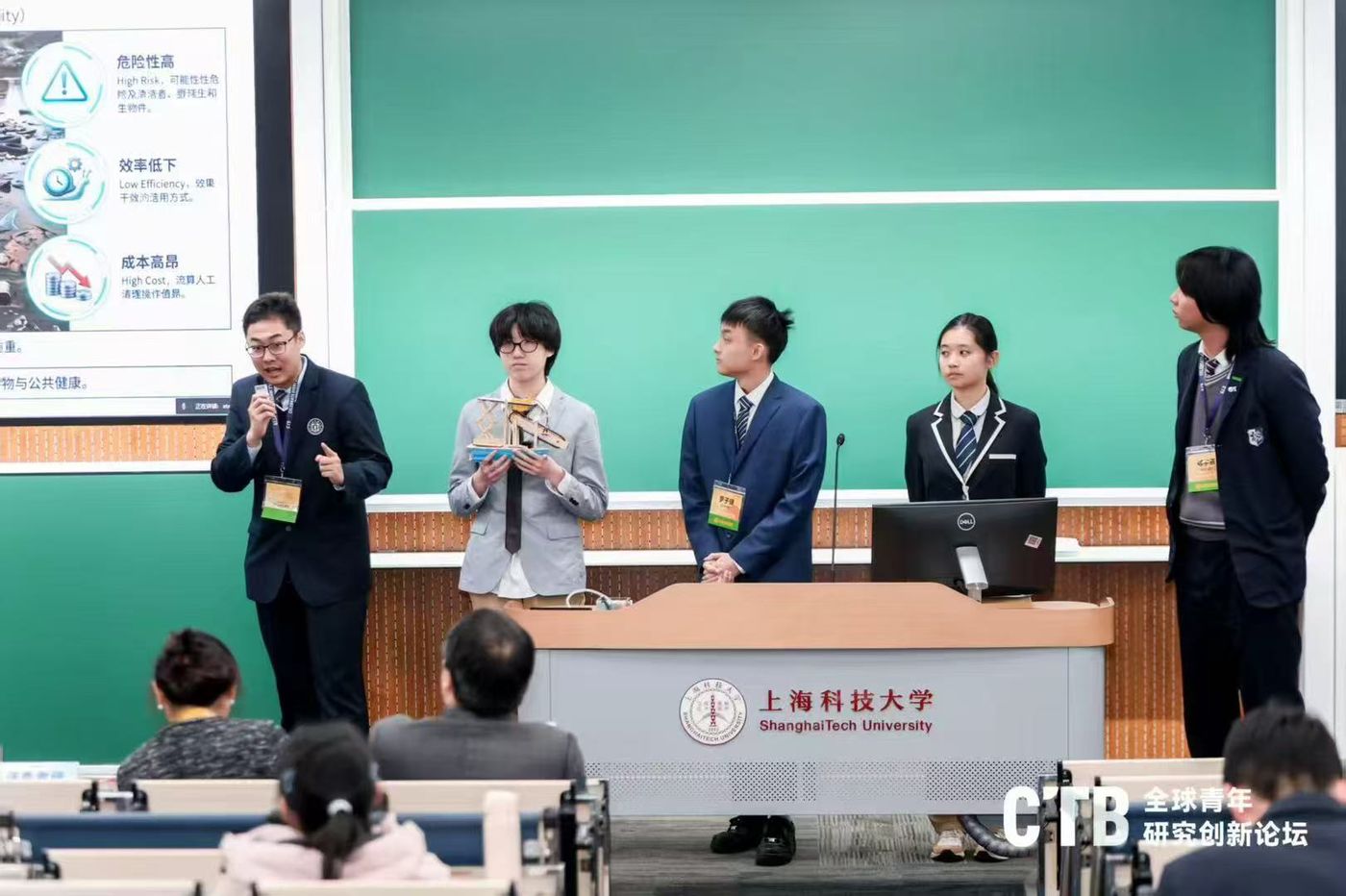
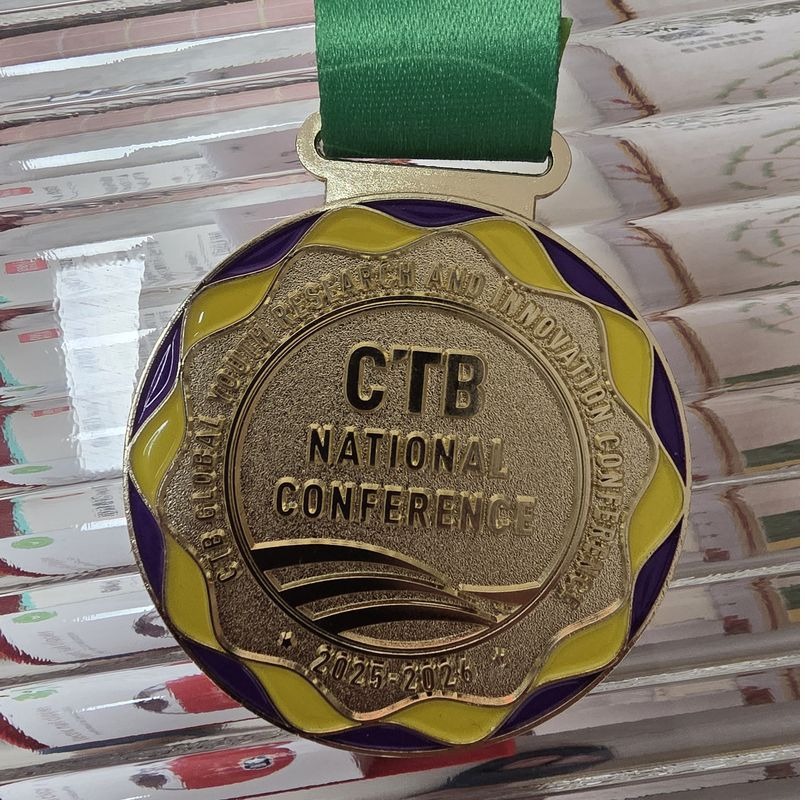
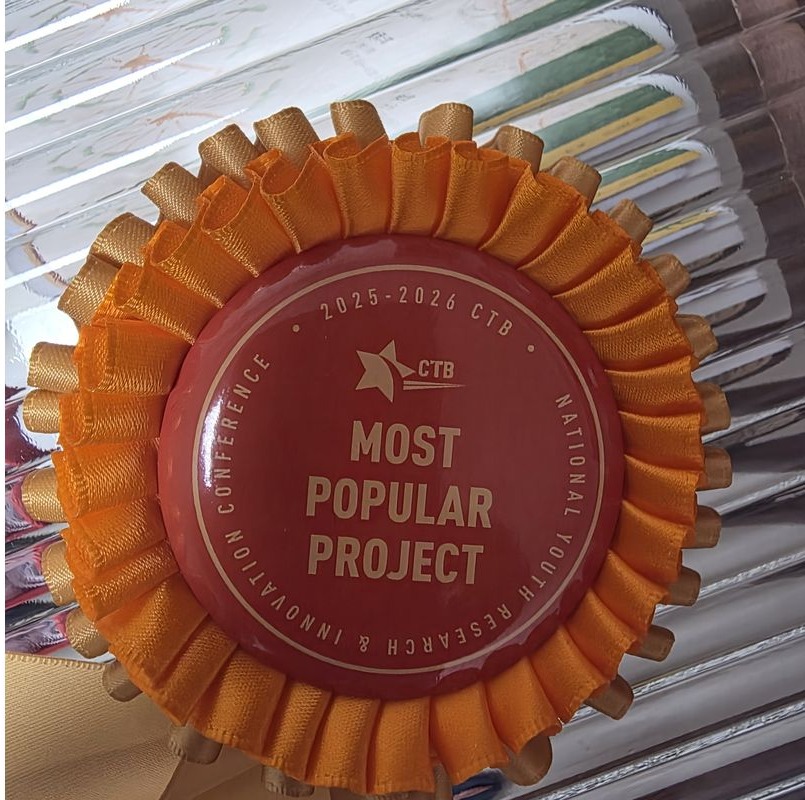
Small urban waterways accumulate trash that manual cleaning cannot reach. As team captain, I led the design of a riverway garbage-cleaning robot — a track-based transfer system with a scissors-type compression mechanism. Our research paper, poster, and interactive stand earned National Third Prize and the “Most Popular Project” award — one of only 10 among roughly 500 teams at the 2025–26 China Thinks Big National Conference.
This project translated concern about waste in small urban waterways into an engineering response, complementing my work on water quality and environmental communication.


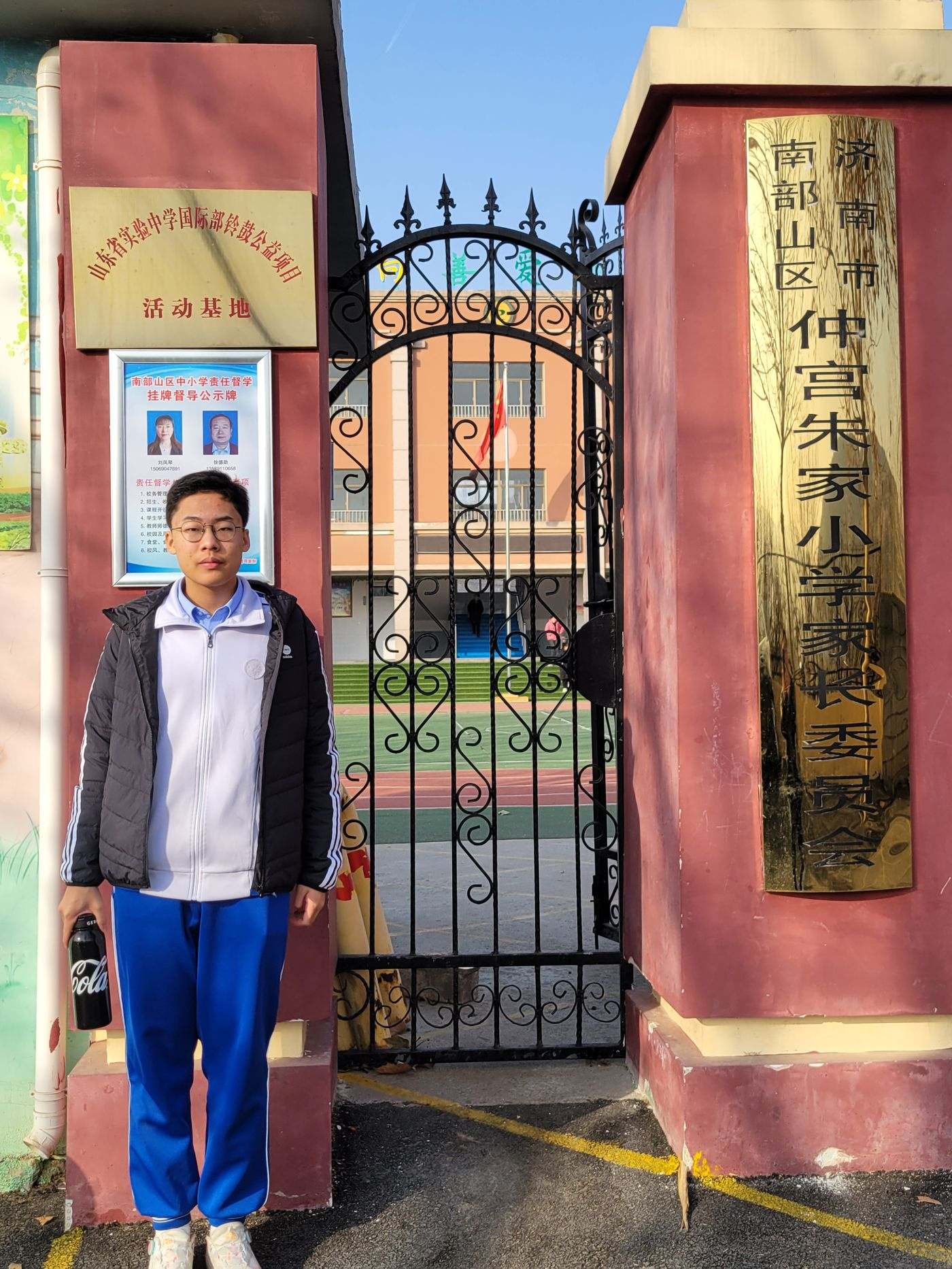
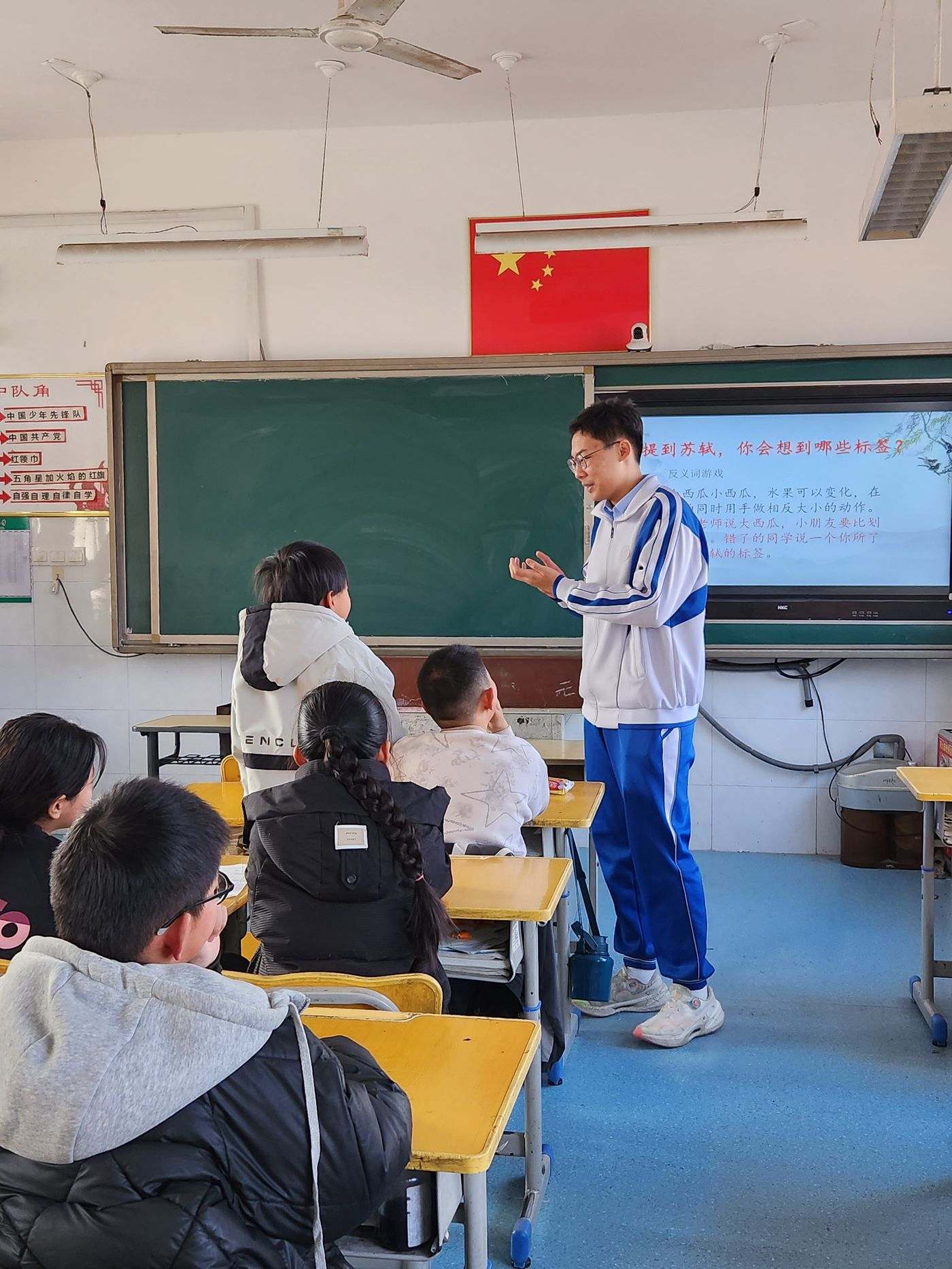
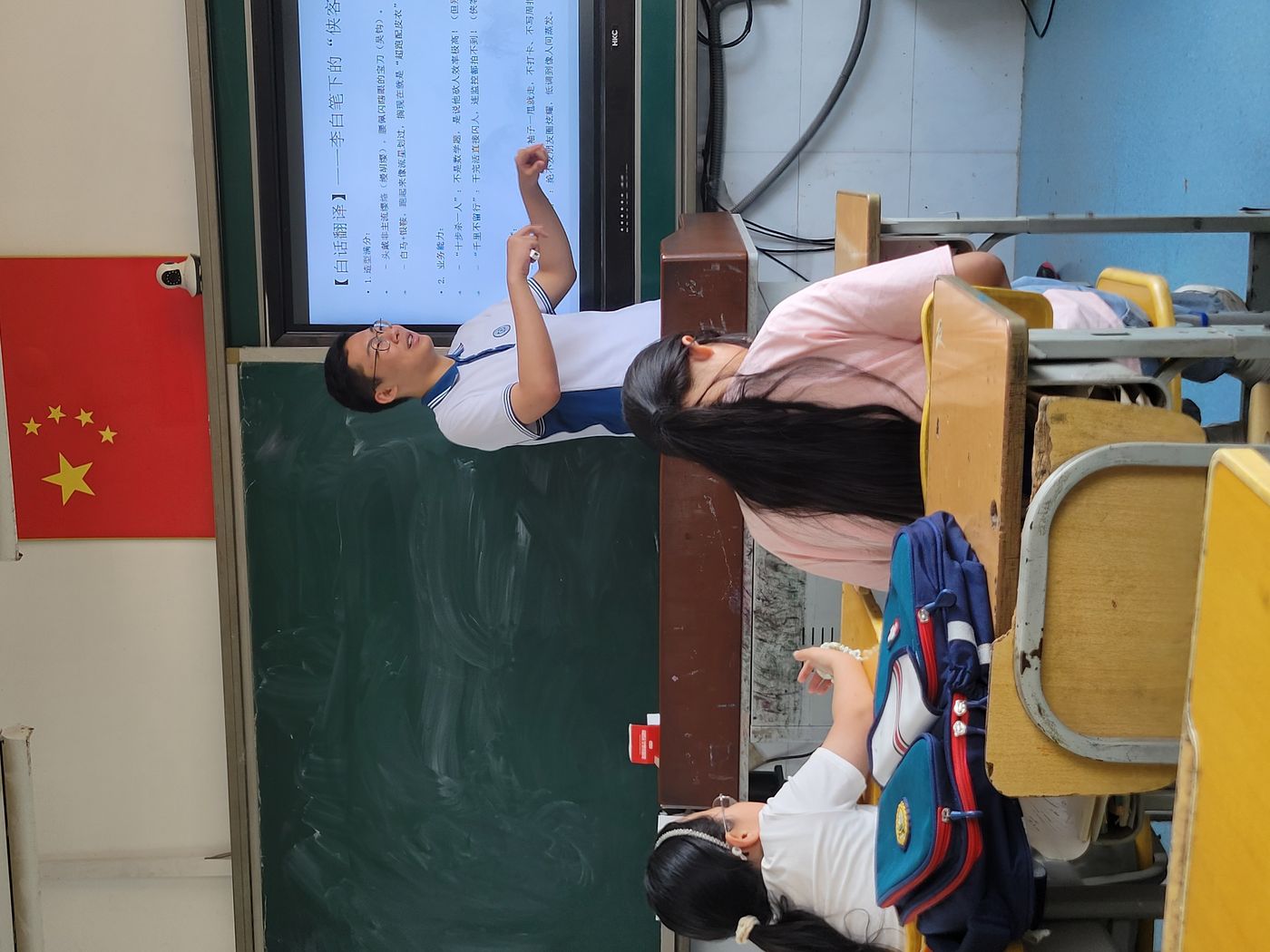
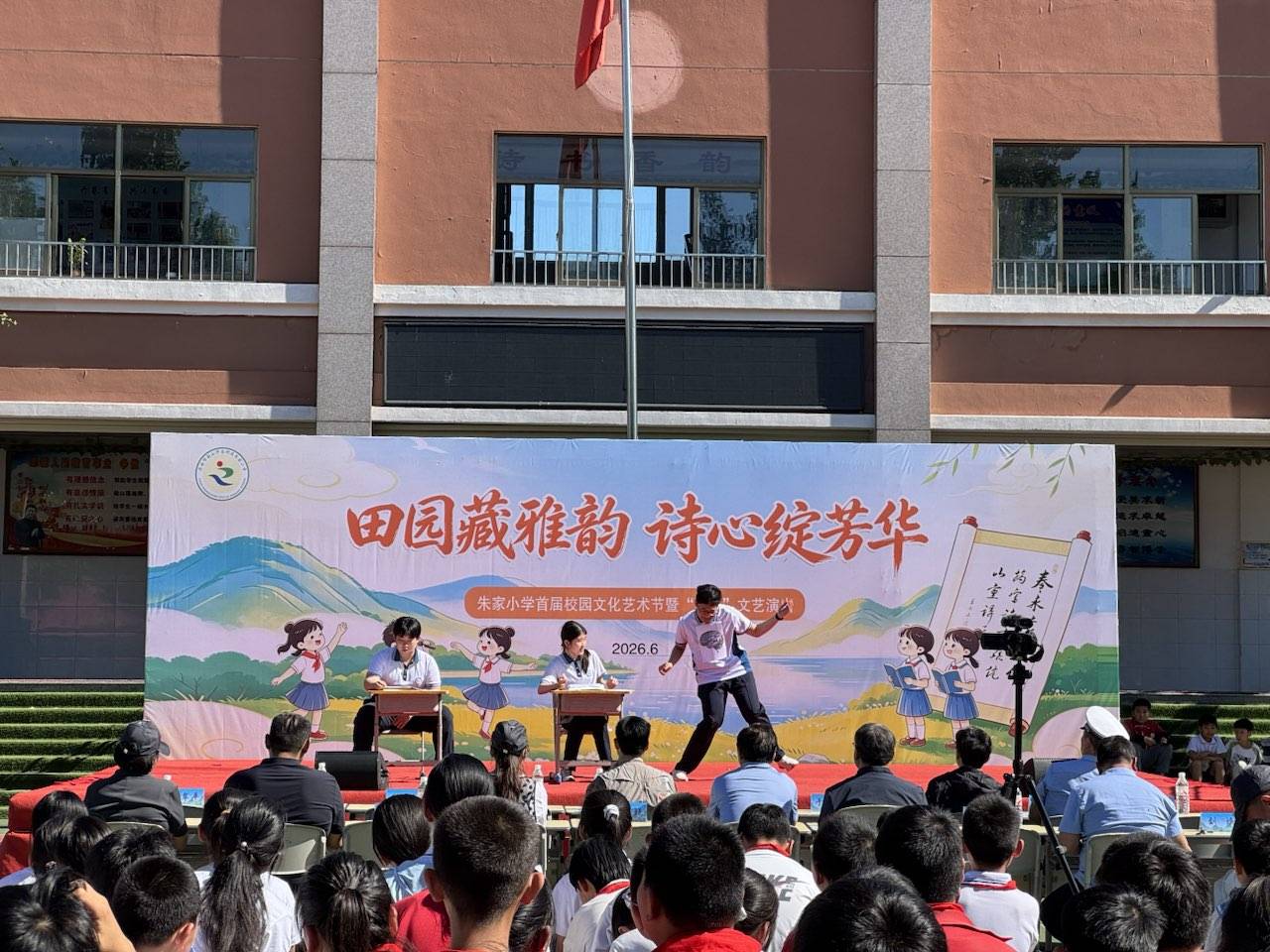
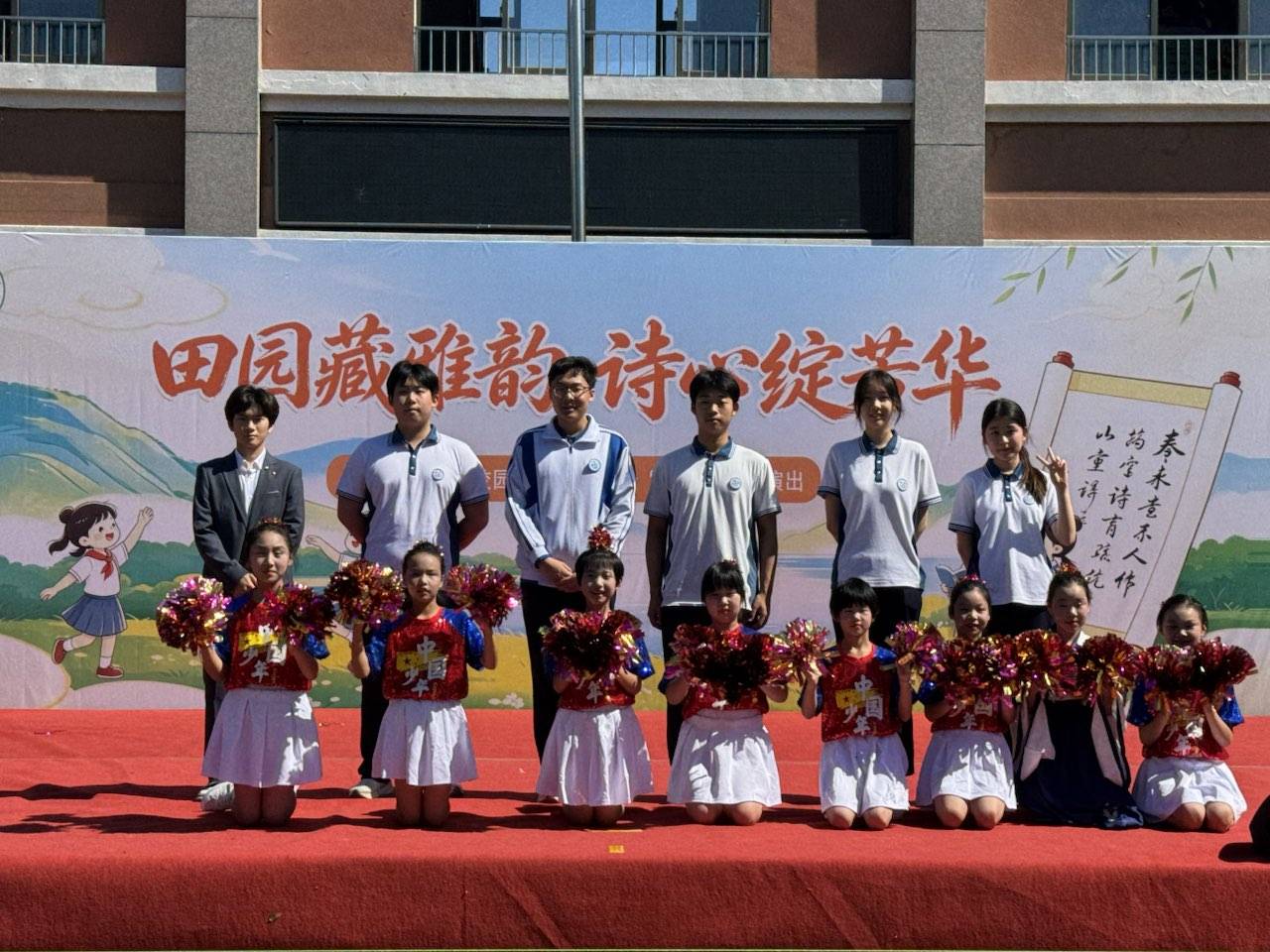
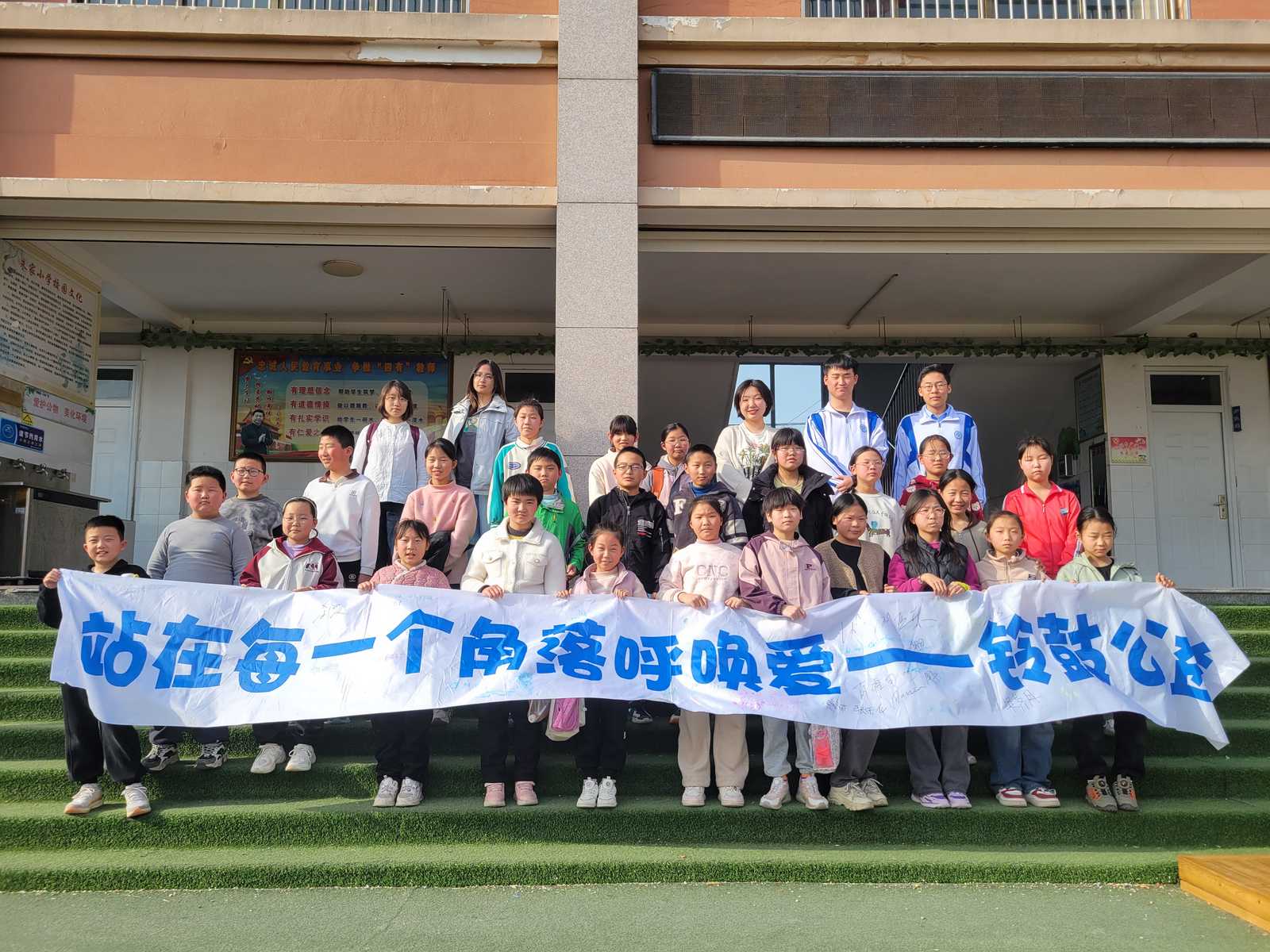
Through the “Tambourine” charity teaching project, I served as a lead instructor at Zhujia Primary School, designing lessons around Su Shi, Li Bai, Bai Juyi, and Jinan's spring culture. Across six sessions, the program reached more than 200 student attendances. I also helped train volunteer tutors, organize a Children's Day performance, and lead book donations for rural children.
The work taught me to turn research and cultural knowledge into questions, stories, and activities that younger students could make their own.


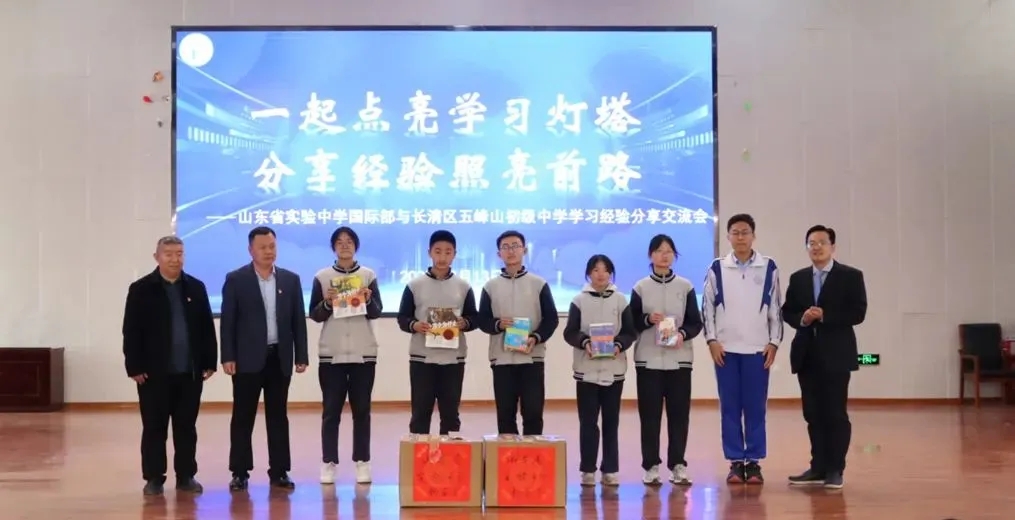
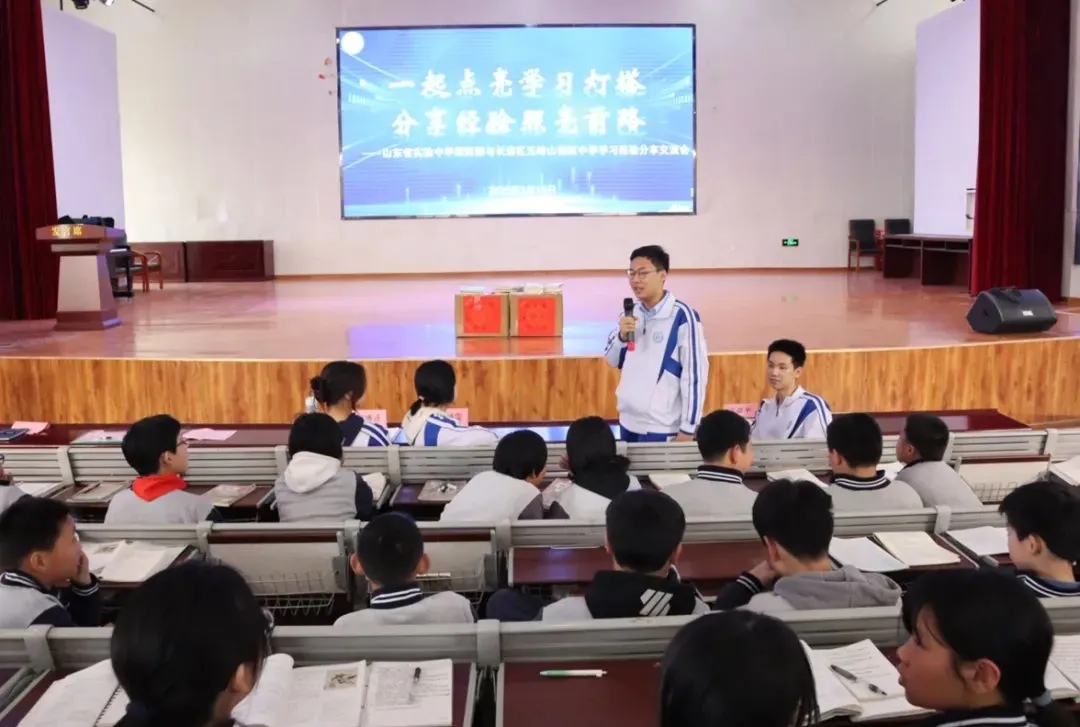
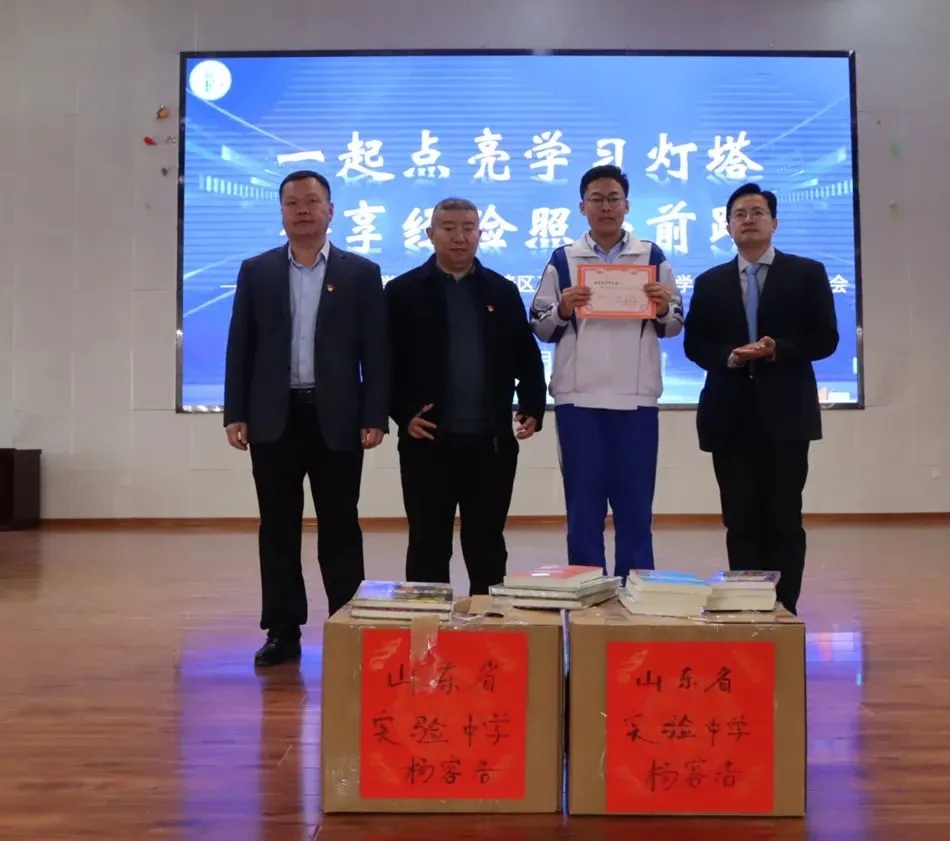
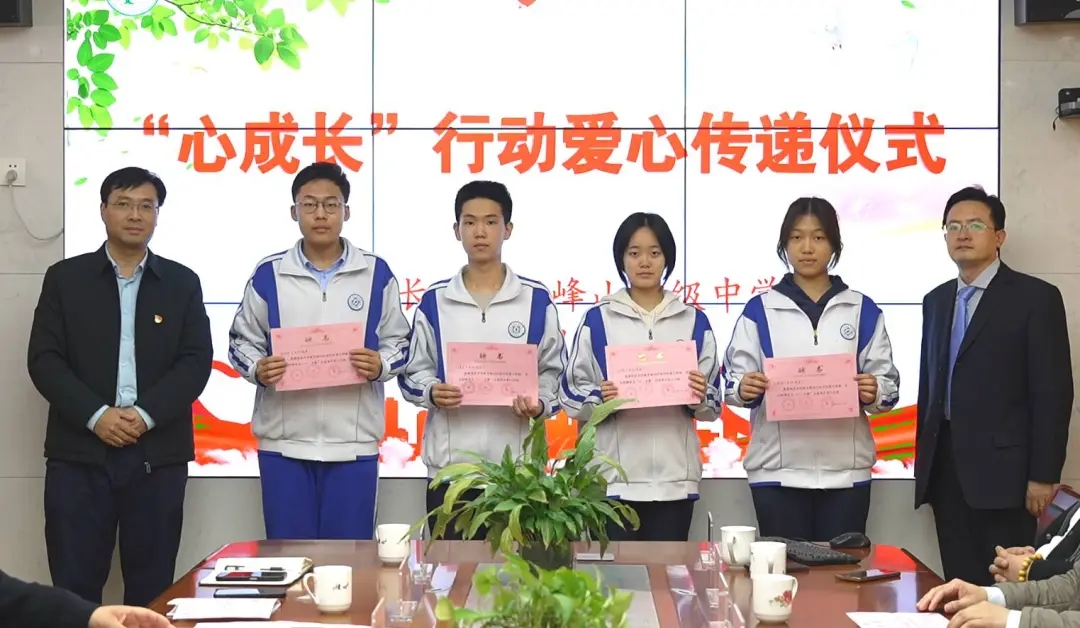
The “Heart Growth” (心成长) action links the real needs of rural students in Changqing District with people willing to help. Its eighth round took place at Wufengshan Junior High School on 13 March 2025, where ten students from three rural middle schools — Wufengshan, Shuangquan and Xiaoli — received meal-fee support of 1,000 yuan each, handed to their homeroom teachers so that the cost of lunch would stop being a household worry.
Charity of this kind is less a single donation than a form of continuity: books that stay on the shelves, and study habits that keep working after the visit ends.
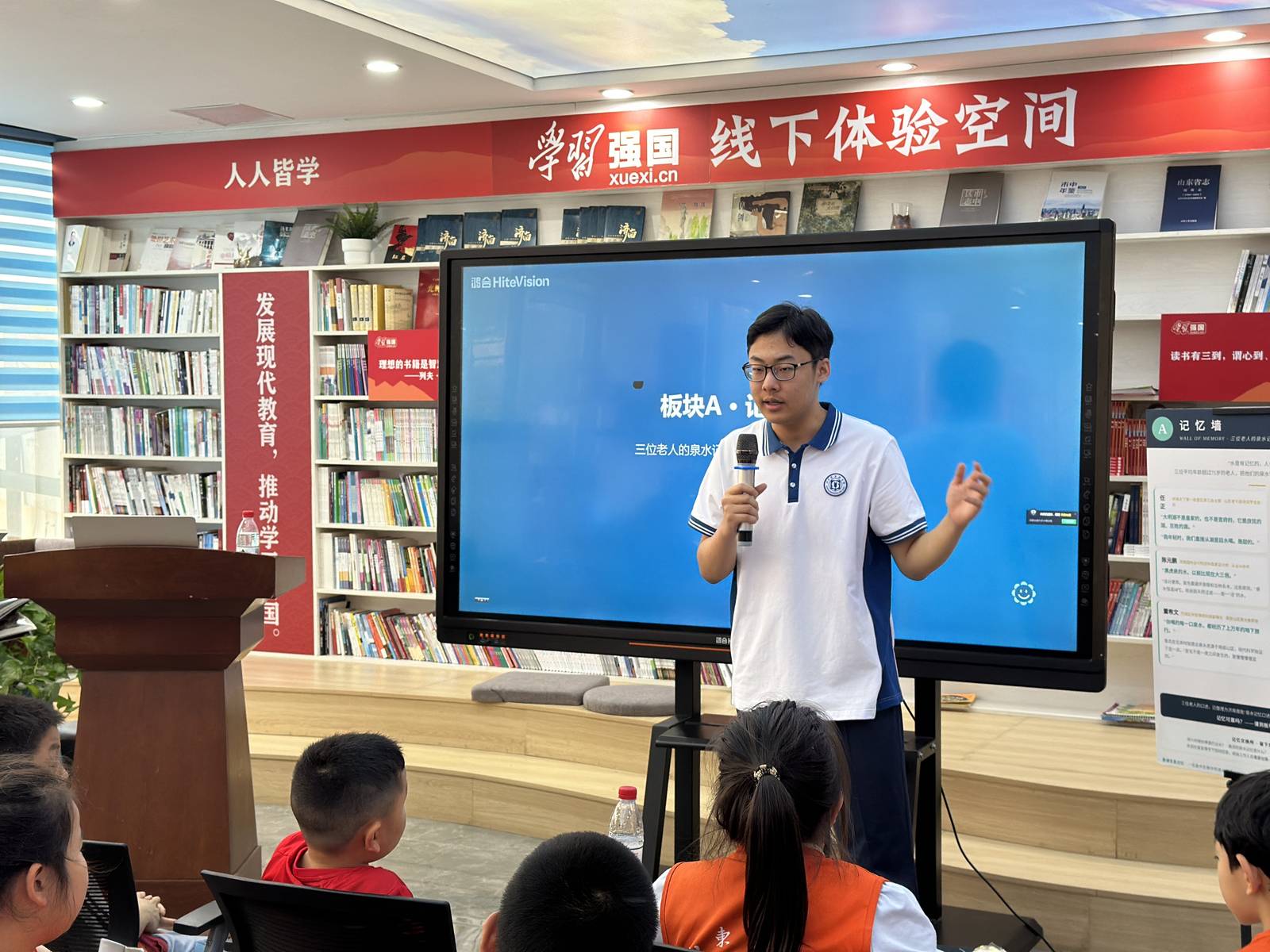
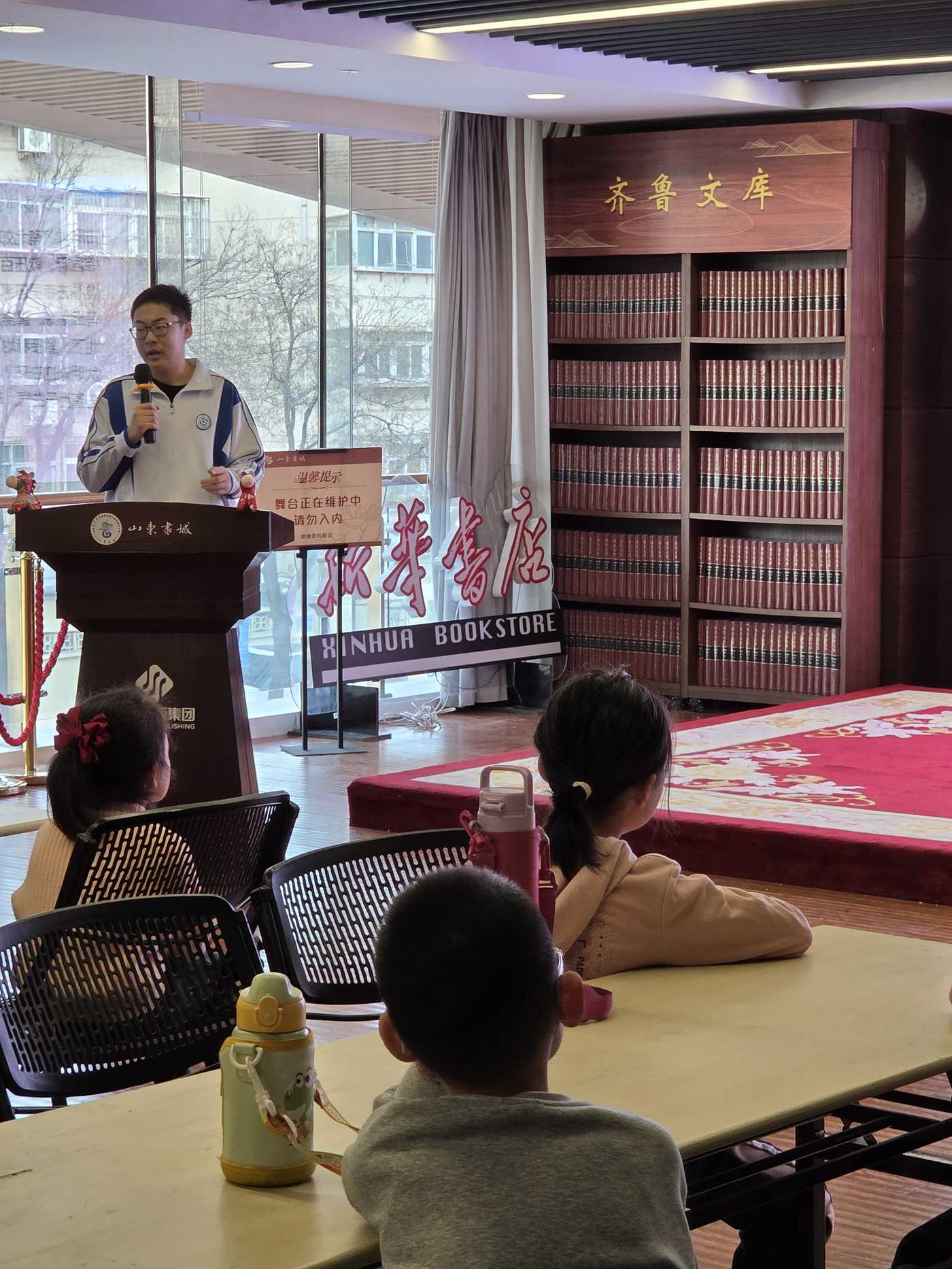
I attended as a student representative of the International Department of Shandong Experimental High School alongside the head of the department, Jingren Ji, and classmates — speaking in the afternoon’s “Lighting the Study Beacon Together” exchange on how steady reading turns into writing, and which habits make classical Chinese easier to approach. My family and I also donated 150 books.
“每一份爱心都是一粒种子,终将在孩子们心中生根发芽,长成参天大树。”Every act of kindness is a seed that will take root and grow. — Guo Li, co-founder of the “Heart Growth” action, in the Changqing Convergence Media report
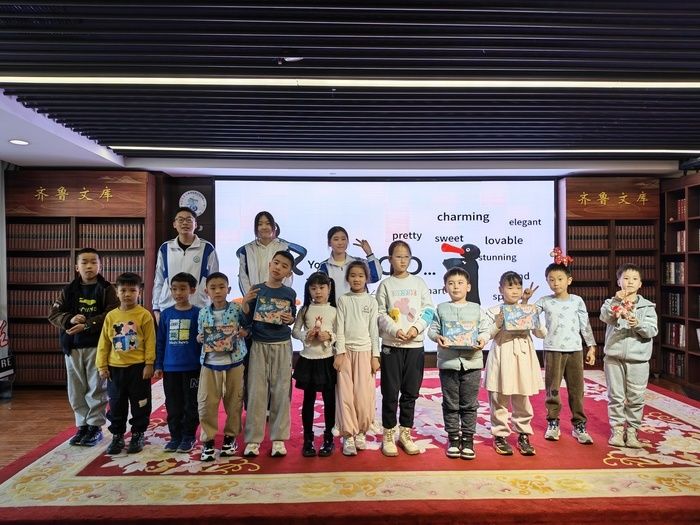
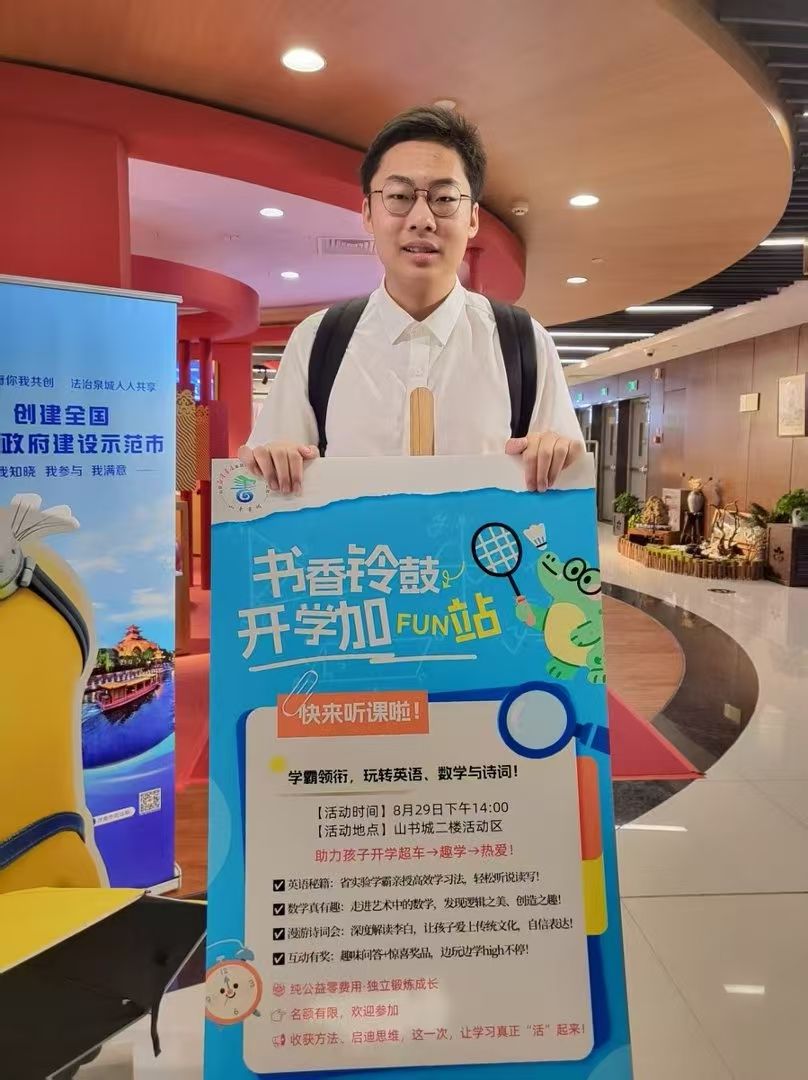
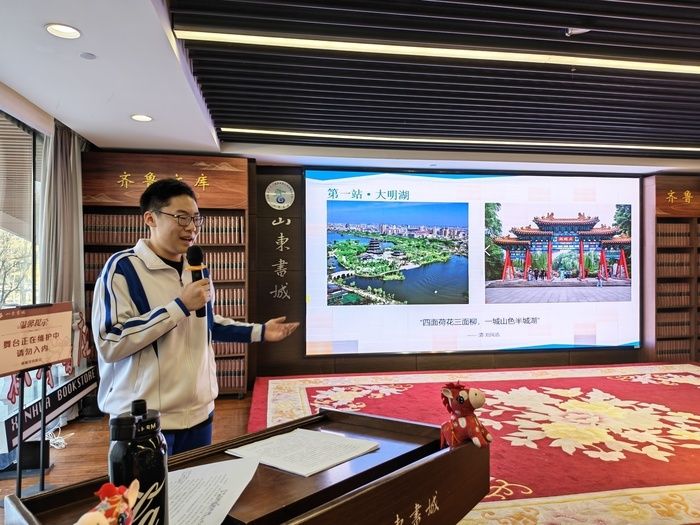
As an organizer and speaker in the Tambourine program, I led a “Roaming Through Poetry” session at the Shuxiang Tambourine Back-to-School Fun Station in August 2025. In early 2026, I also delivered two “Decoding the City of Springs” talks for more than 30 families, connecting classical poetry with Jinan's geology, spring formation, and photocatalytic water treatment.
These public programs gave me a city-based counterpart to rural teaching: the same commitment to make culture and environmental science accessible to families.
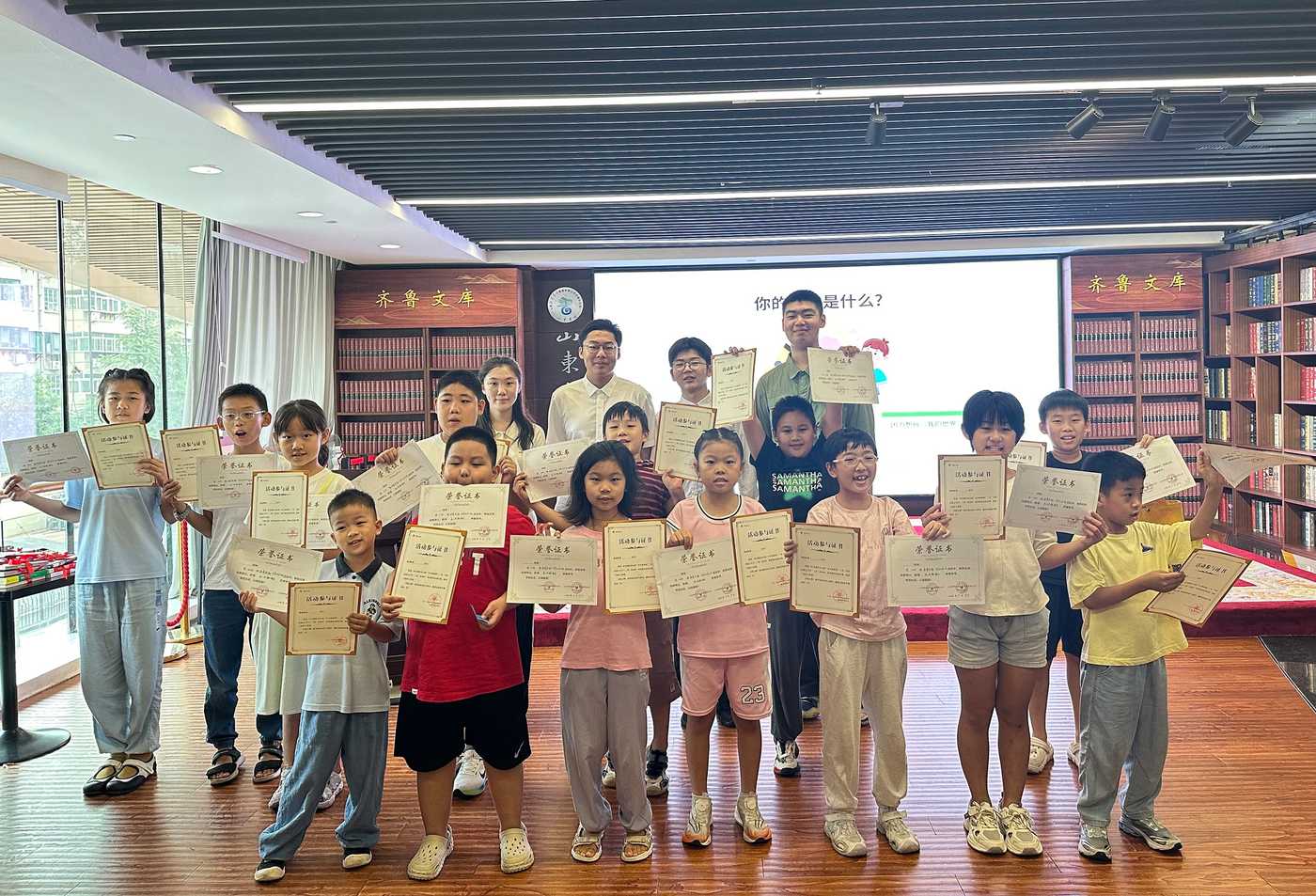
The 29 August programme was built and taught entirely by student volunteers — 柳浥宸、孙嘉懿 and a fourth classmate alongside me. Speaking to SDETV as the organizer and one of the instructors: “我们一直希望打破传统课堂的边界。这次与山东书城的合作,正是看中了这里的文化氛围。我们想告诉孩子们,学习不是枯燥的做题,它可以在最美的文化殿堂里,以一种更活泼、更深刻的方式发生。”
Television interview · Sept 2025 · the International Department News Centre report on the programme carries the SDETV broadcast segment — watch the clip below.
The following round, “Shuxiang Tambourine: A Spring-City Science Adventure” (14 February 2026), brought close to a hundred young people and residents into the book city. I opened with 泉城解码:诗词与科学的奇幻对话, reading Li Qingzhao and Xin Qiji with the audience while unpacking the geology behind the springs and the clearing of Daming Lake; teammates then followed with hands-on chemistry demonstrations and a science-based session on memory and Alzheimer's awareness.
新黄河 (Jinan Times) · 14 Feb 2026 · the programme was also recapped by Shandong Book City itself: 「书香铃鼓·开学加Fun站」公益研学活动圆满落幕.
山东教育电视台 Shandong Education Television (SDETV) — broadcast segment from the “Shuxiang Tambourine · Back-to-School Fun Station” public class at Shandong Book City, 29 August 2025, including the interview with me as organizer and instructor.


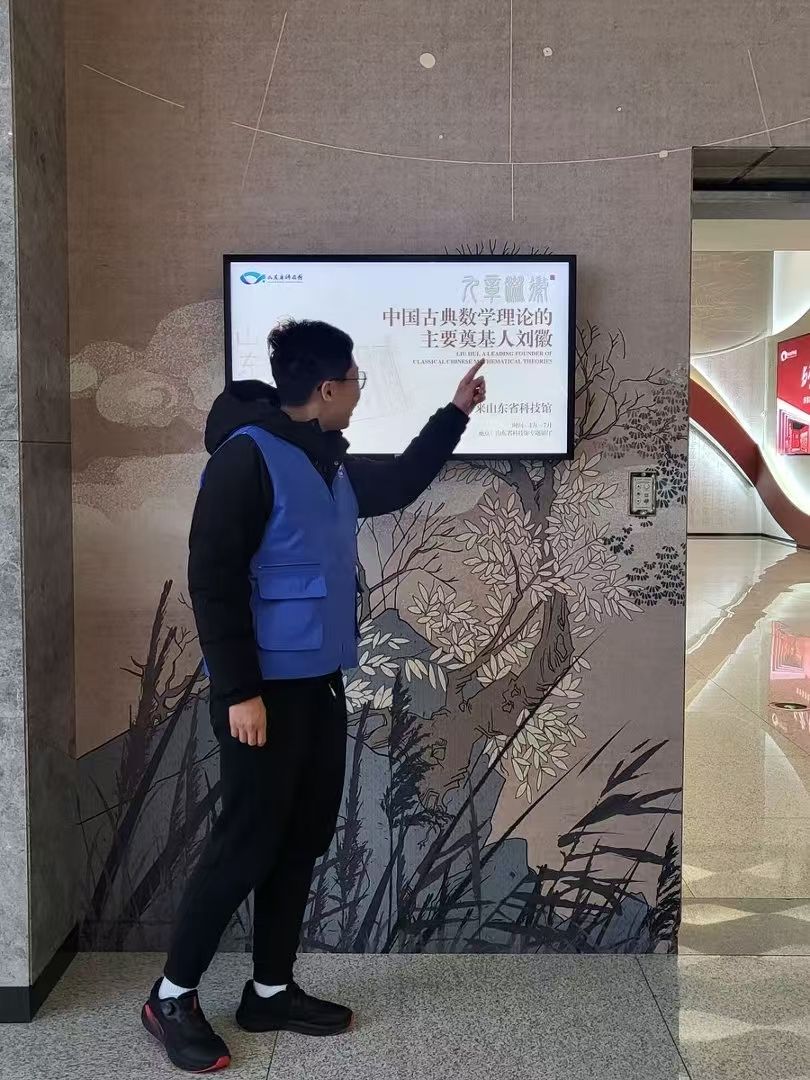
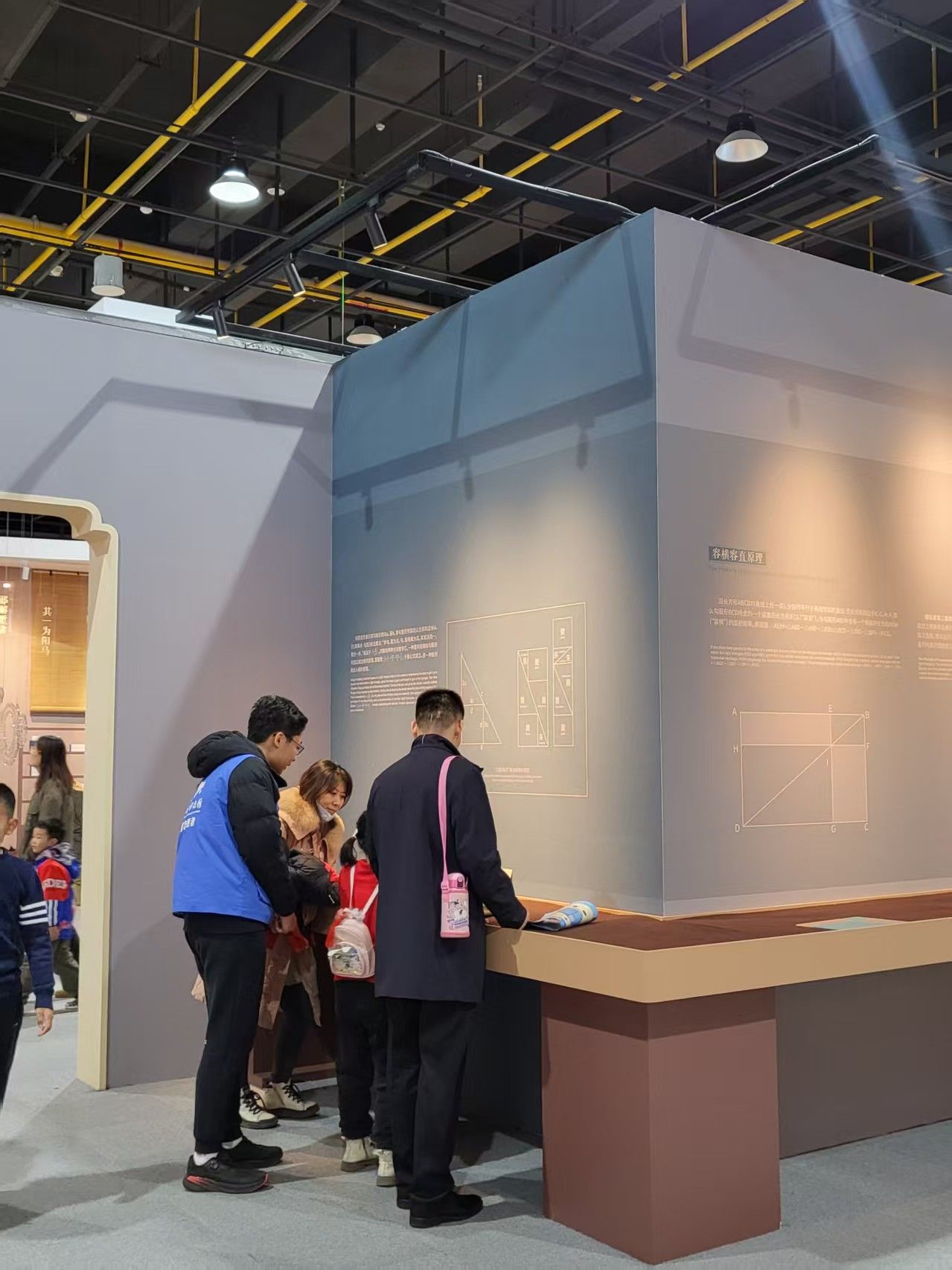
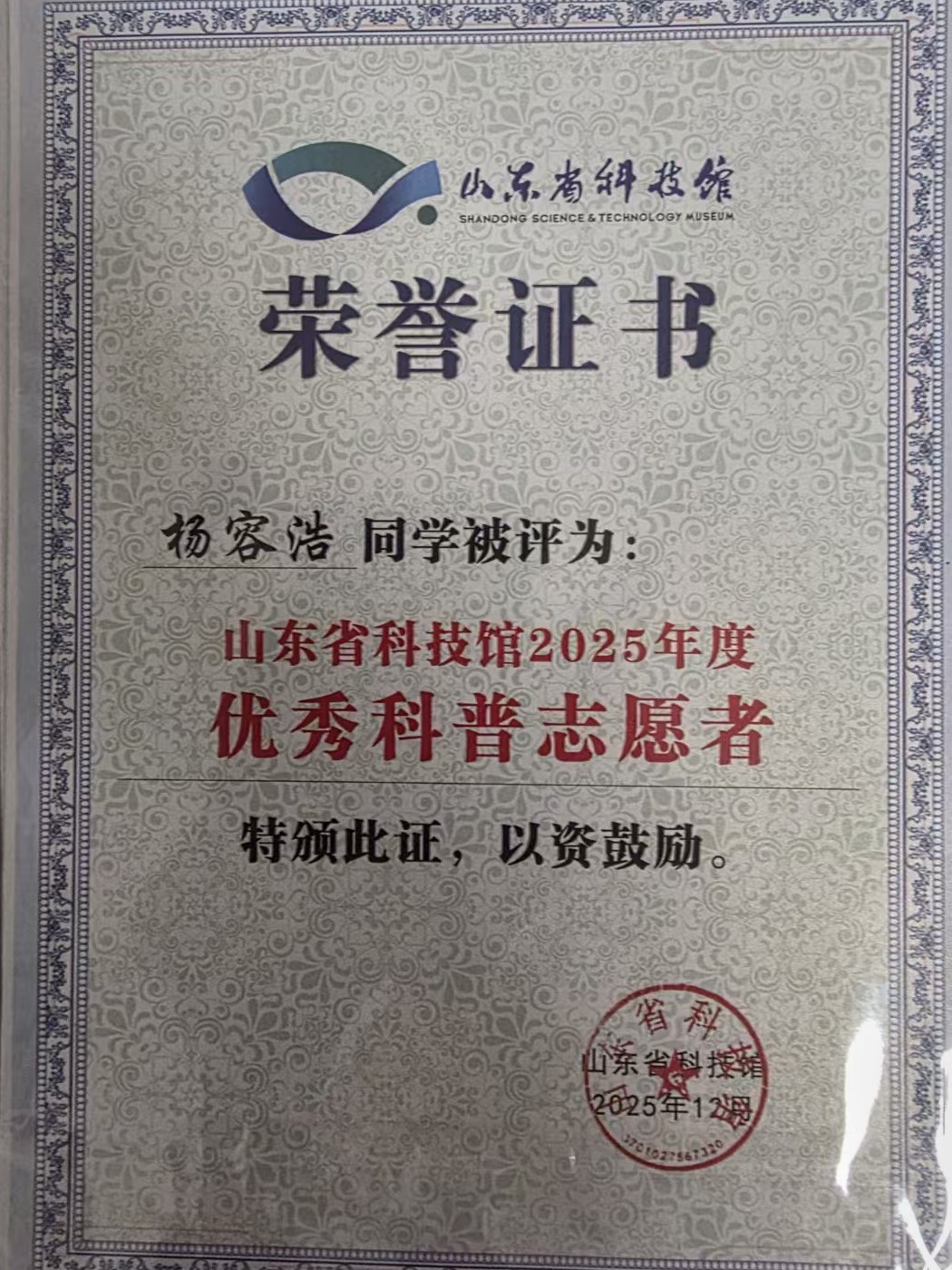
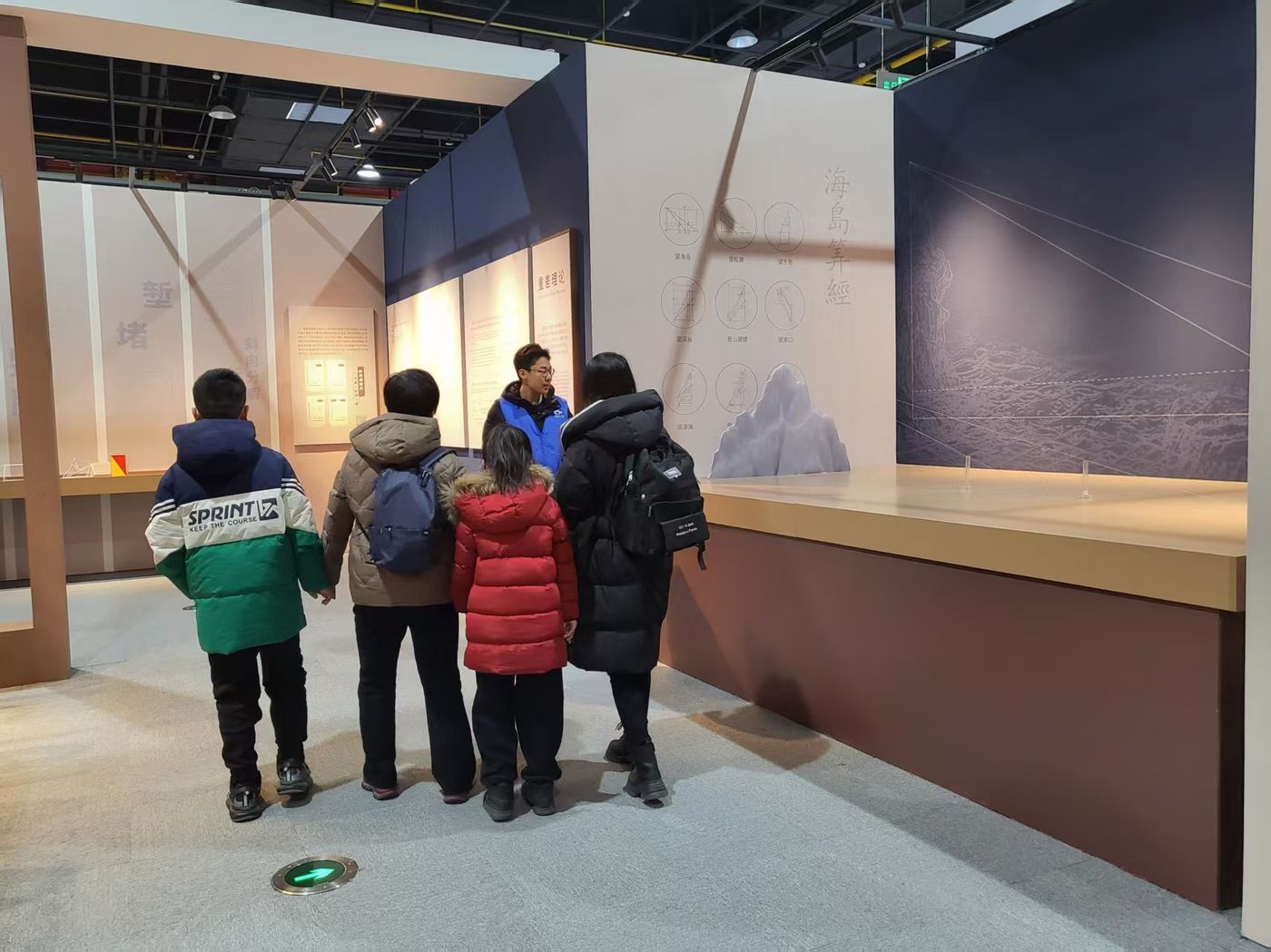
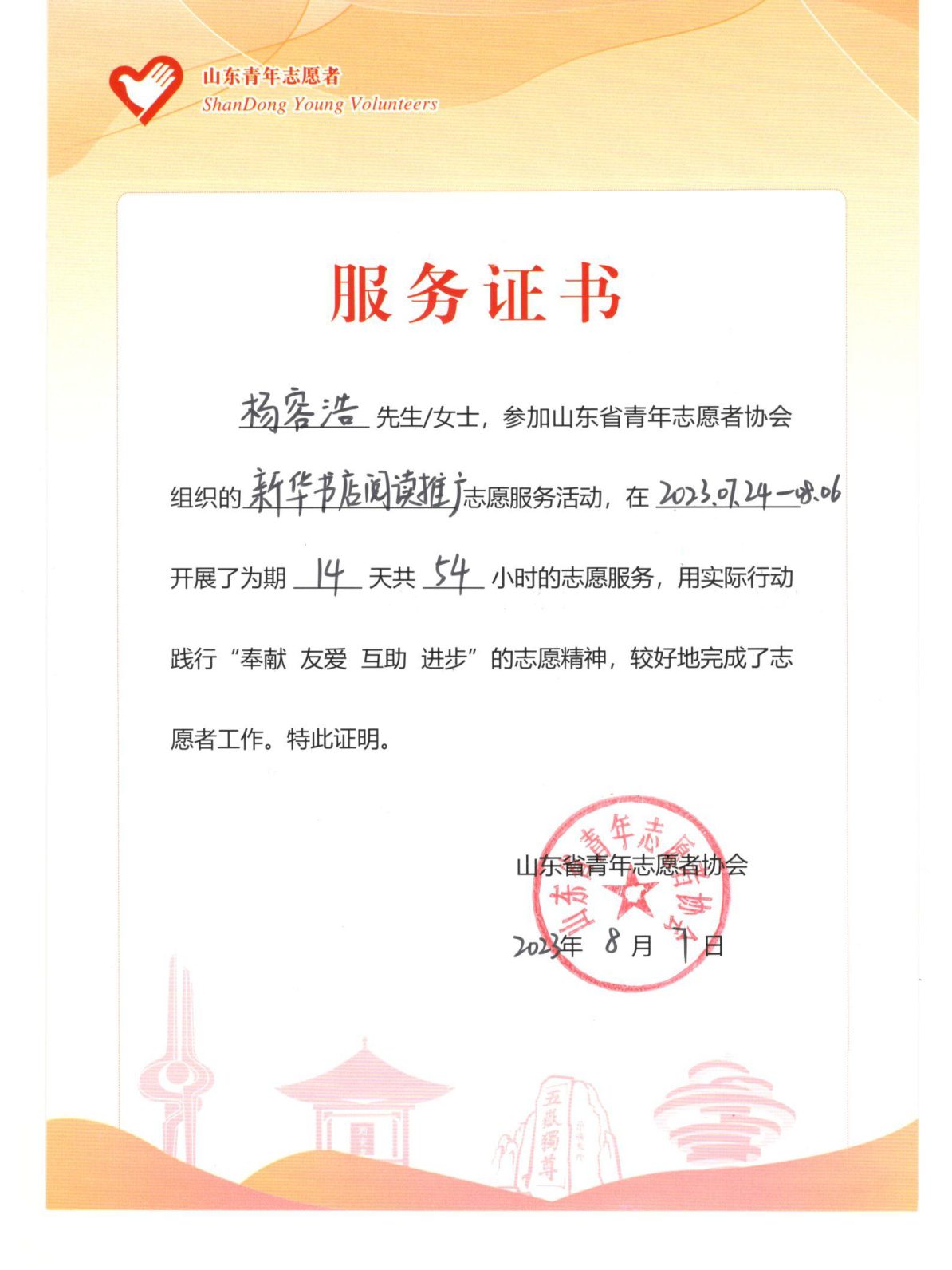
Since September 2024, I have contributed more than 200 volunteer hours as a science explainer at the Shandong Science & Technology Museum. I have supported 15+ thematic exhibitions and daily science-education activities, including “Qilu Scientific Spirit” and the interactive “Tree of Mathematics,” and received the 2025 Outstanding Science Volunteer Award.
Scaling the story: museum explaining turns one-to-one interviews into city-wide public science (Share).


Science communication in action — museum & heritage outreach.
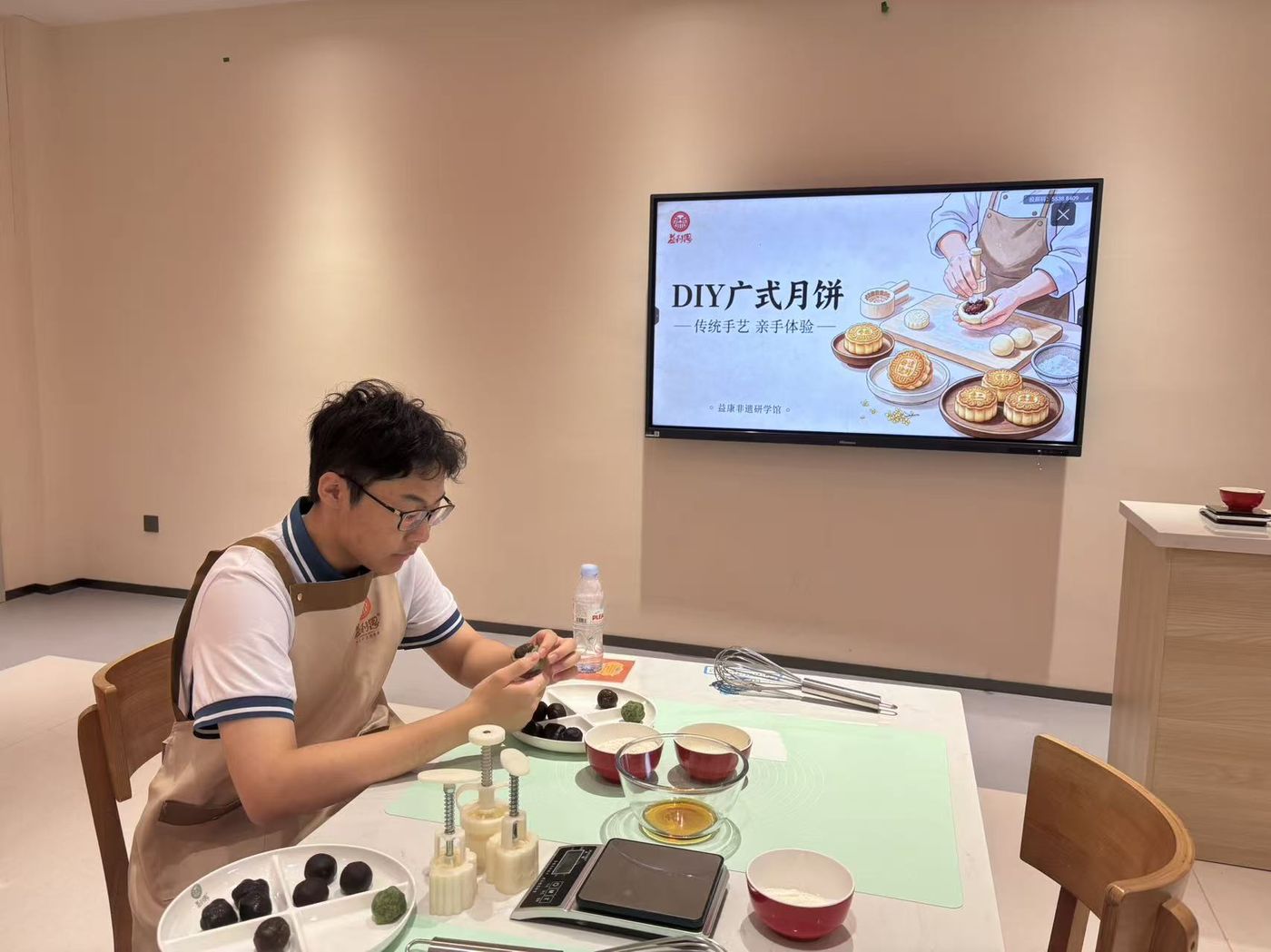
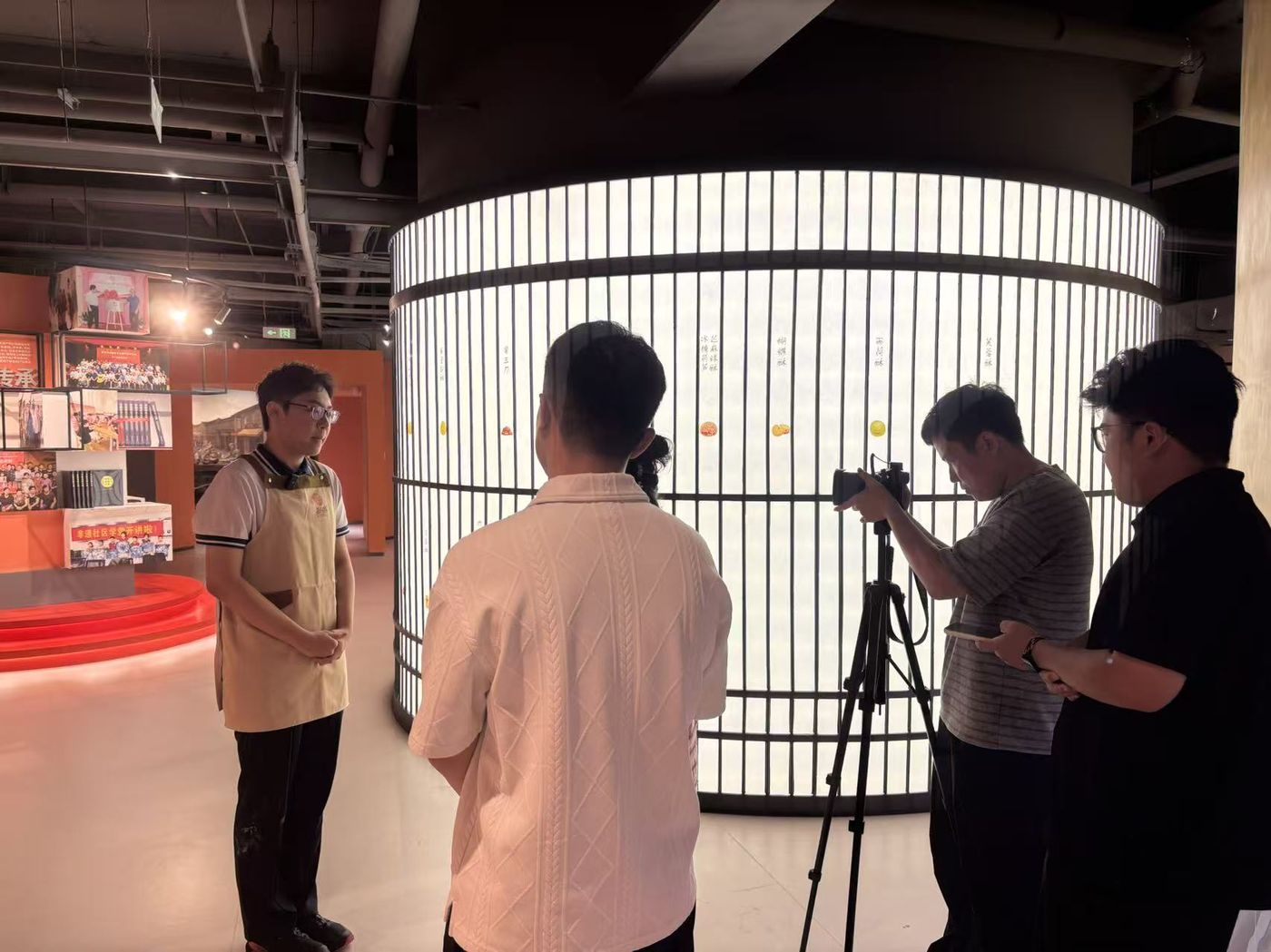
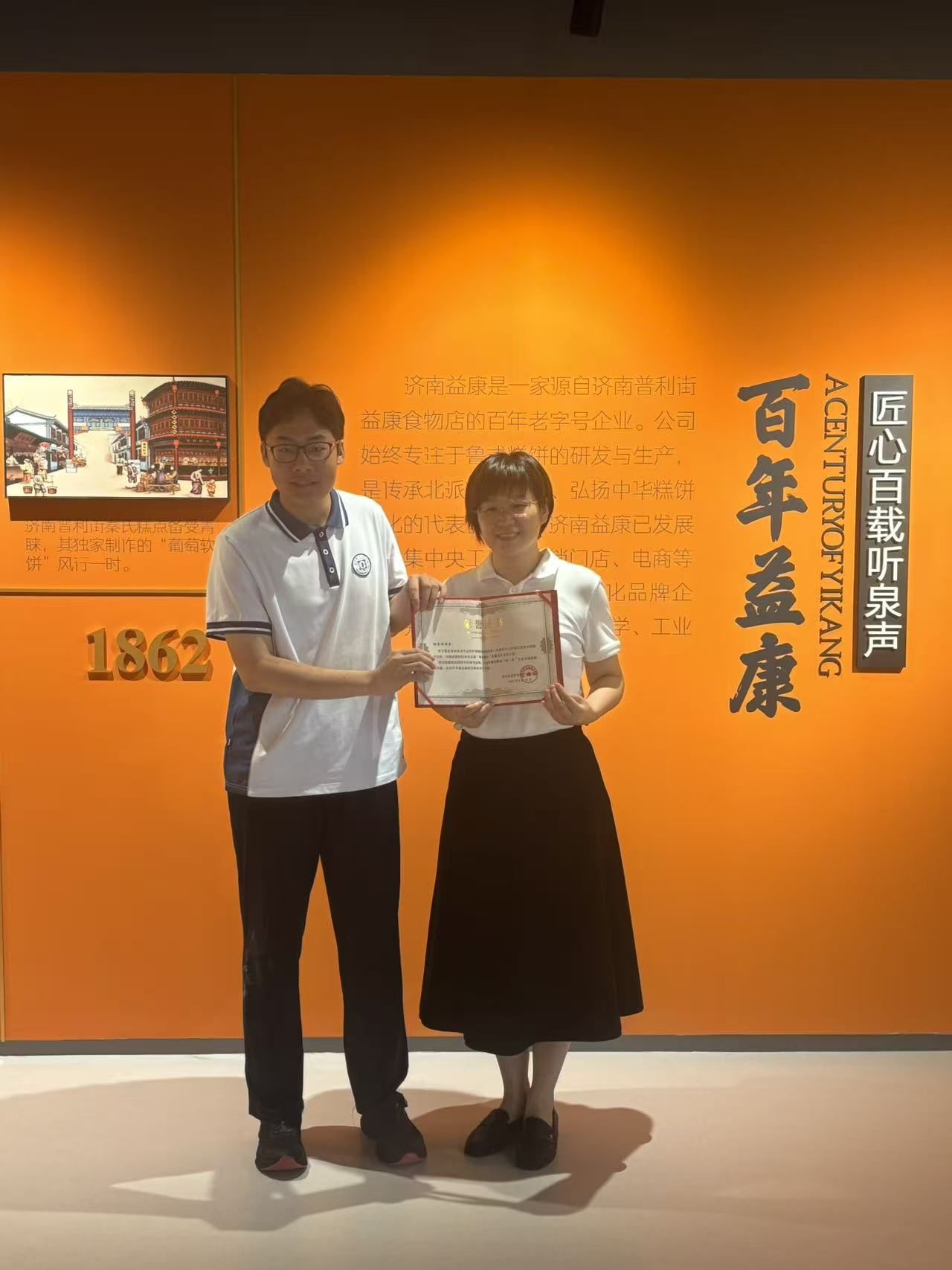
In 2026 I was named Youth Cultural Ambassador for the “Grape Soft Moon” pastry of Jinan Yikang — a bakery founded in 1862 whose craft is recognized as provincial intangible cultural heritage. I learned the craft hands-on, then promoted its history and cultural meaning through storytelling and media outreach, connecting a 160-year-old recipe with Jinan's living spring culture.
Heritage as a living classroom: the same spring-culture storytelling, carried by an older recipe (Share).


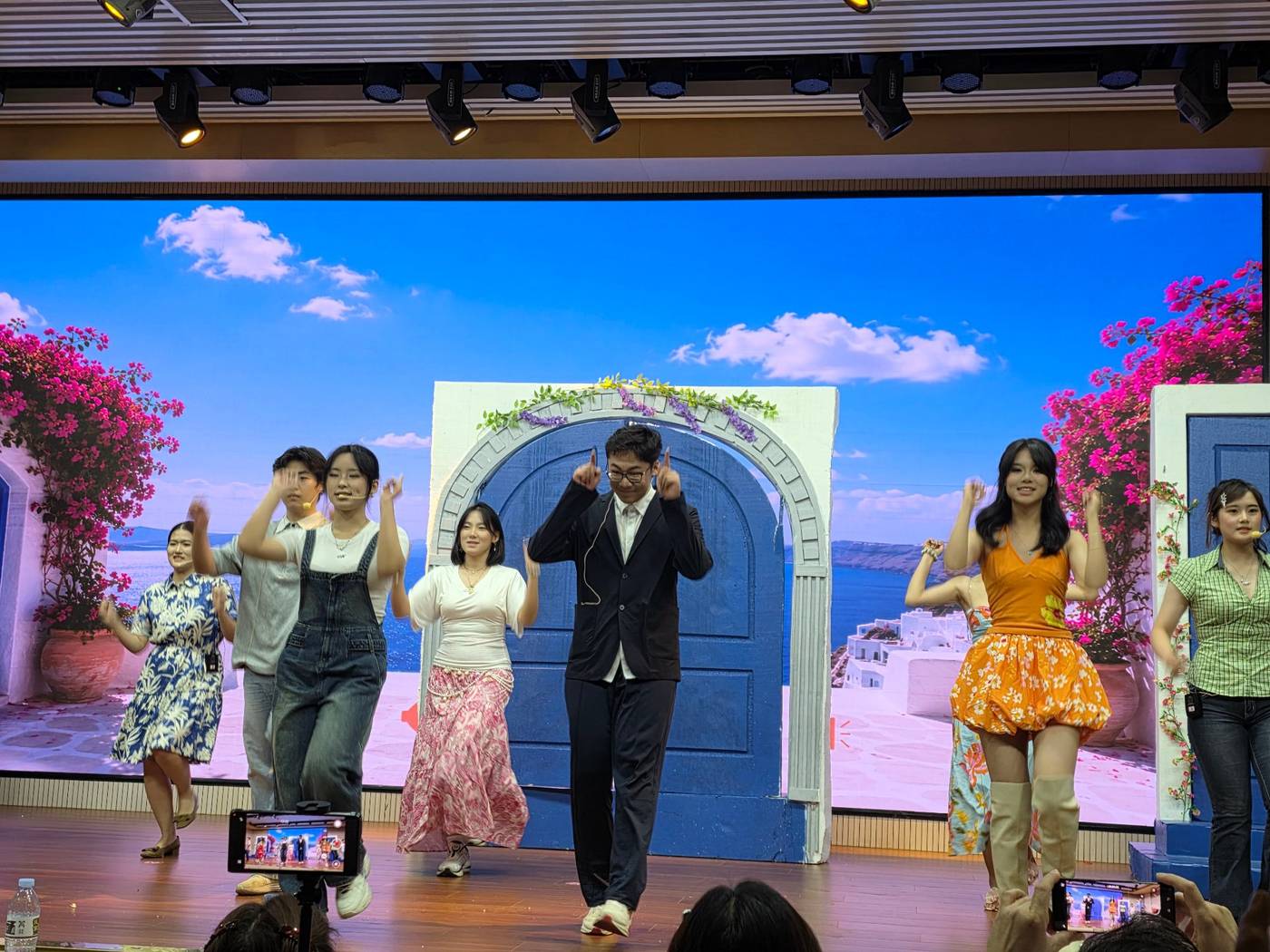
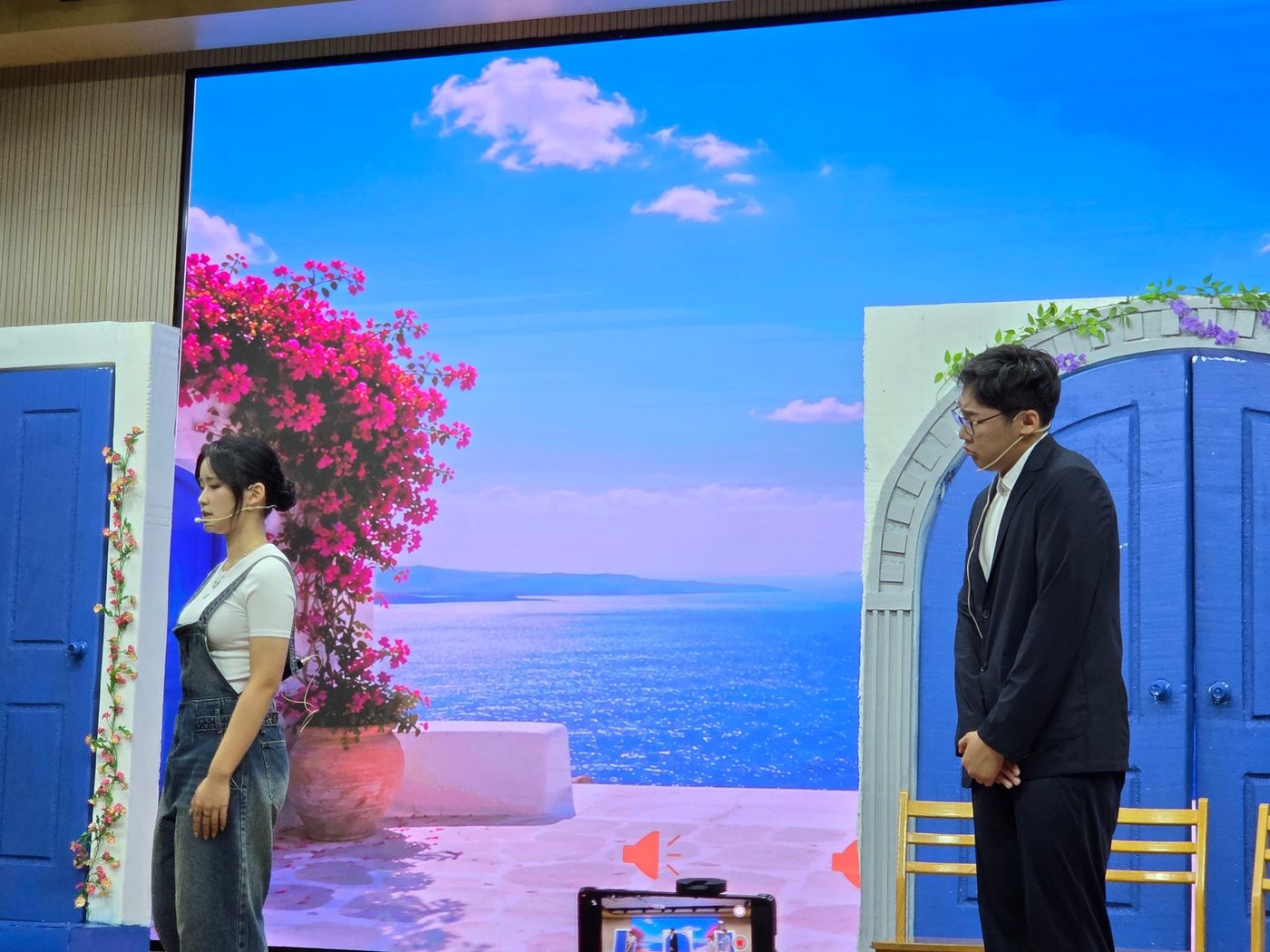
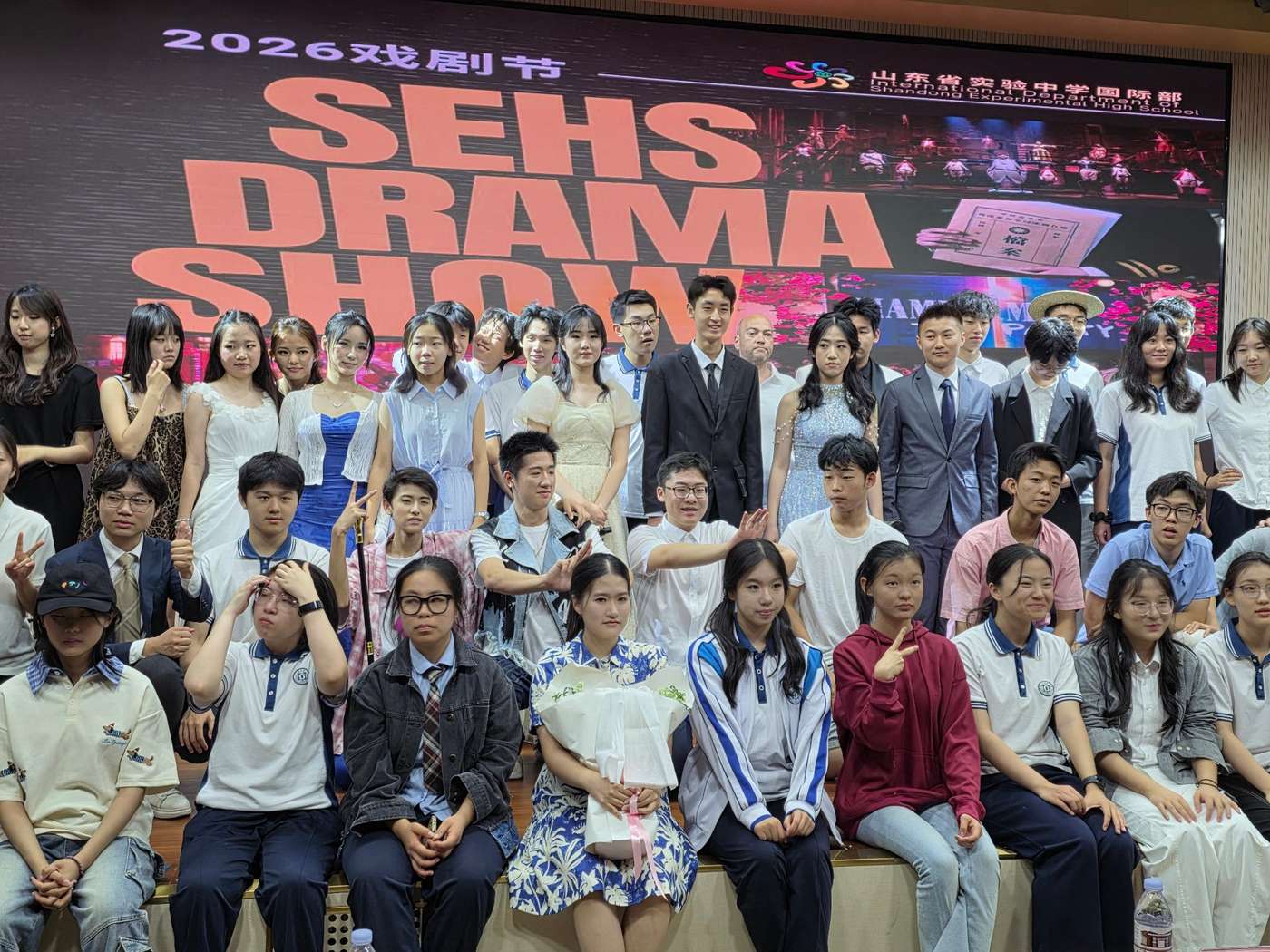
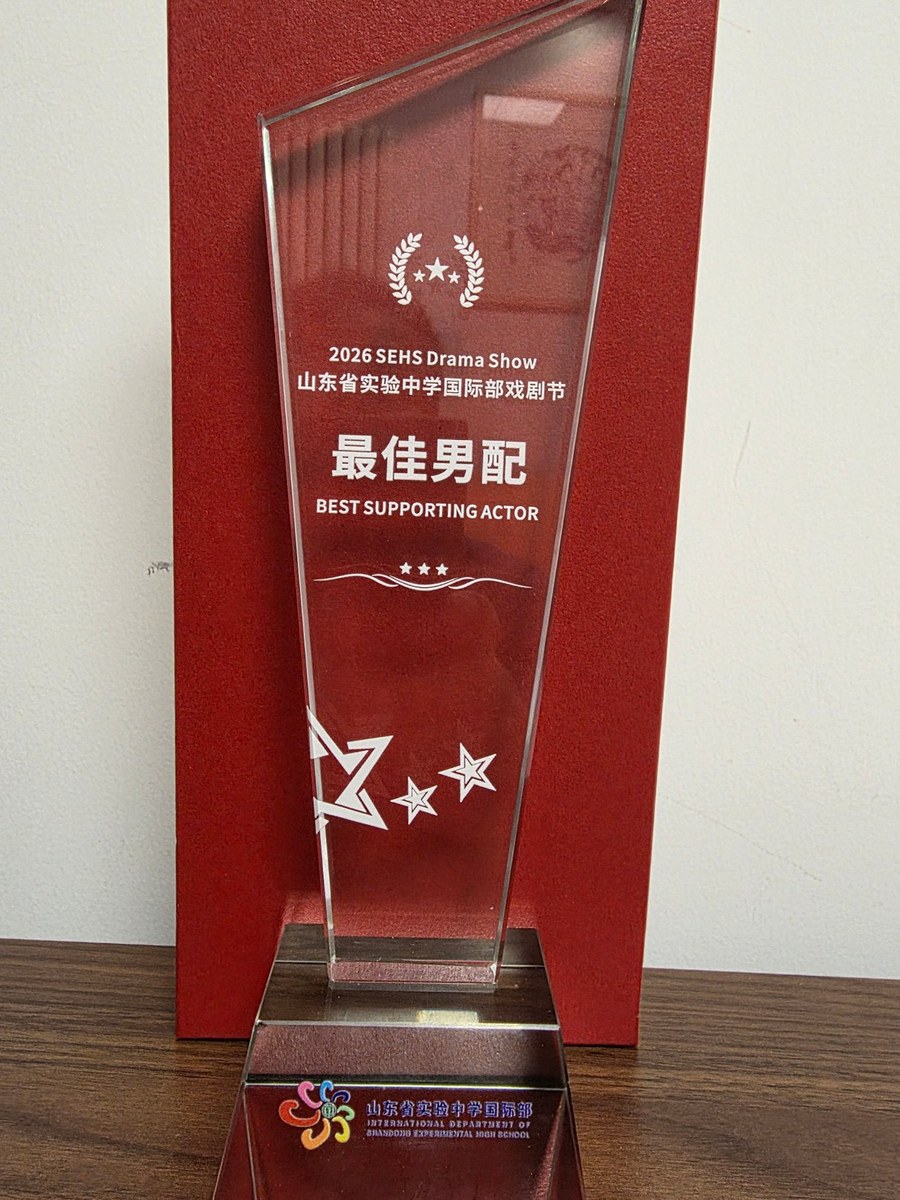
The stage teaches what the lab cannot: presence. After two months of rehearsals, I performed a principal role in our school production of Mamma Mia! and received the Shandong Experimental High School Drama Festival's Best Supporting Actor award (2026).
The confidence behind every keynote, docent tour, and museum explanation elsewhere on this page.


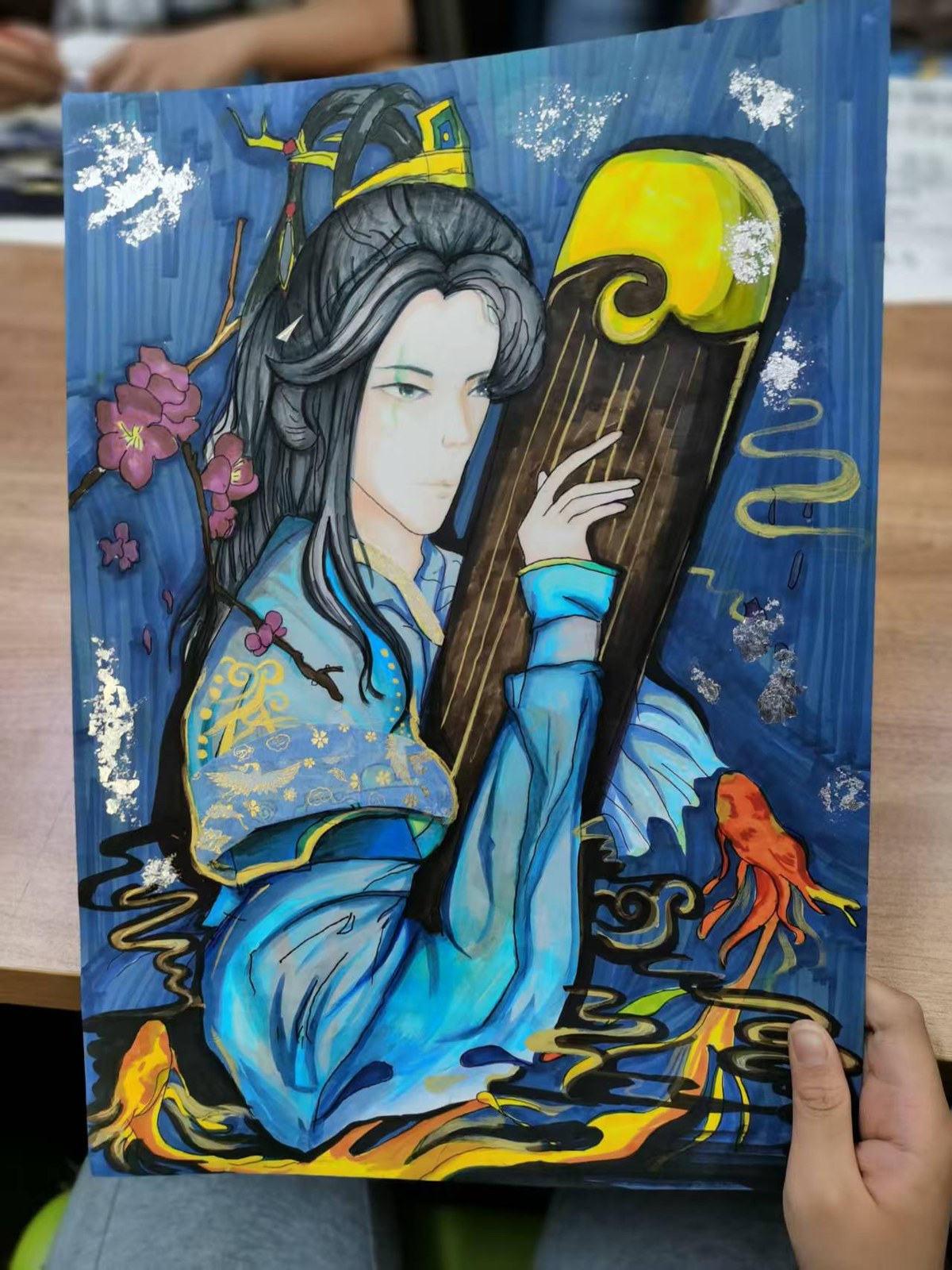
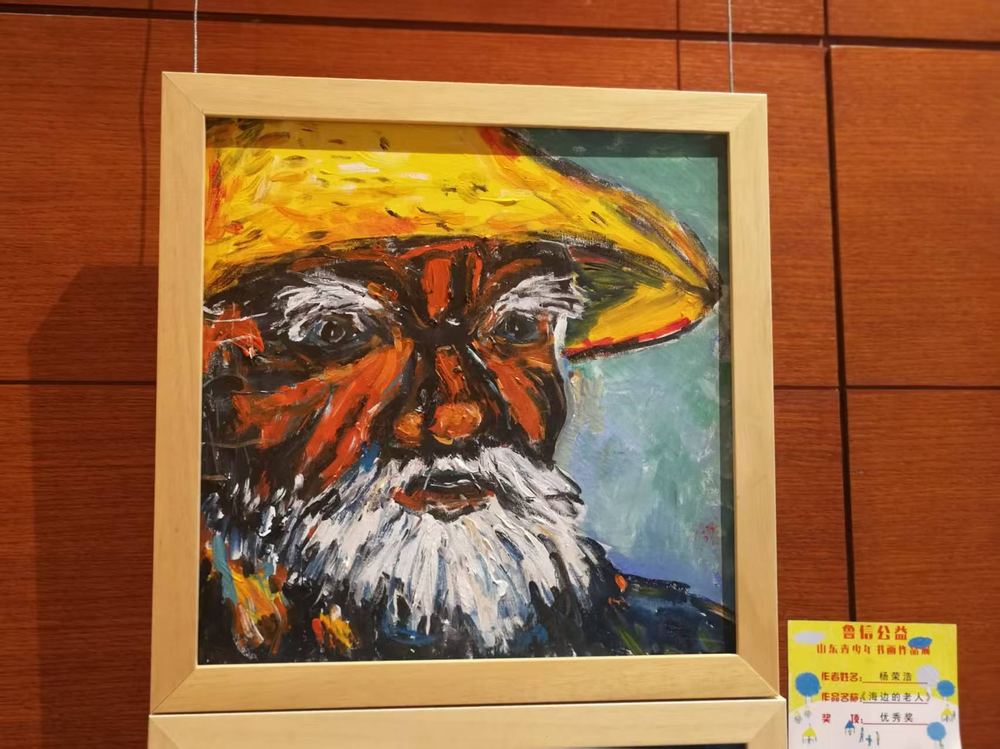
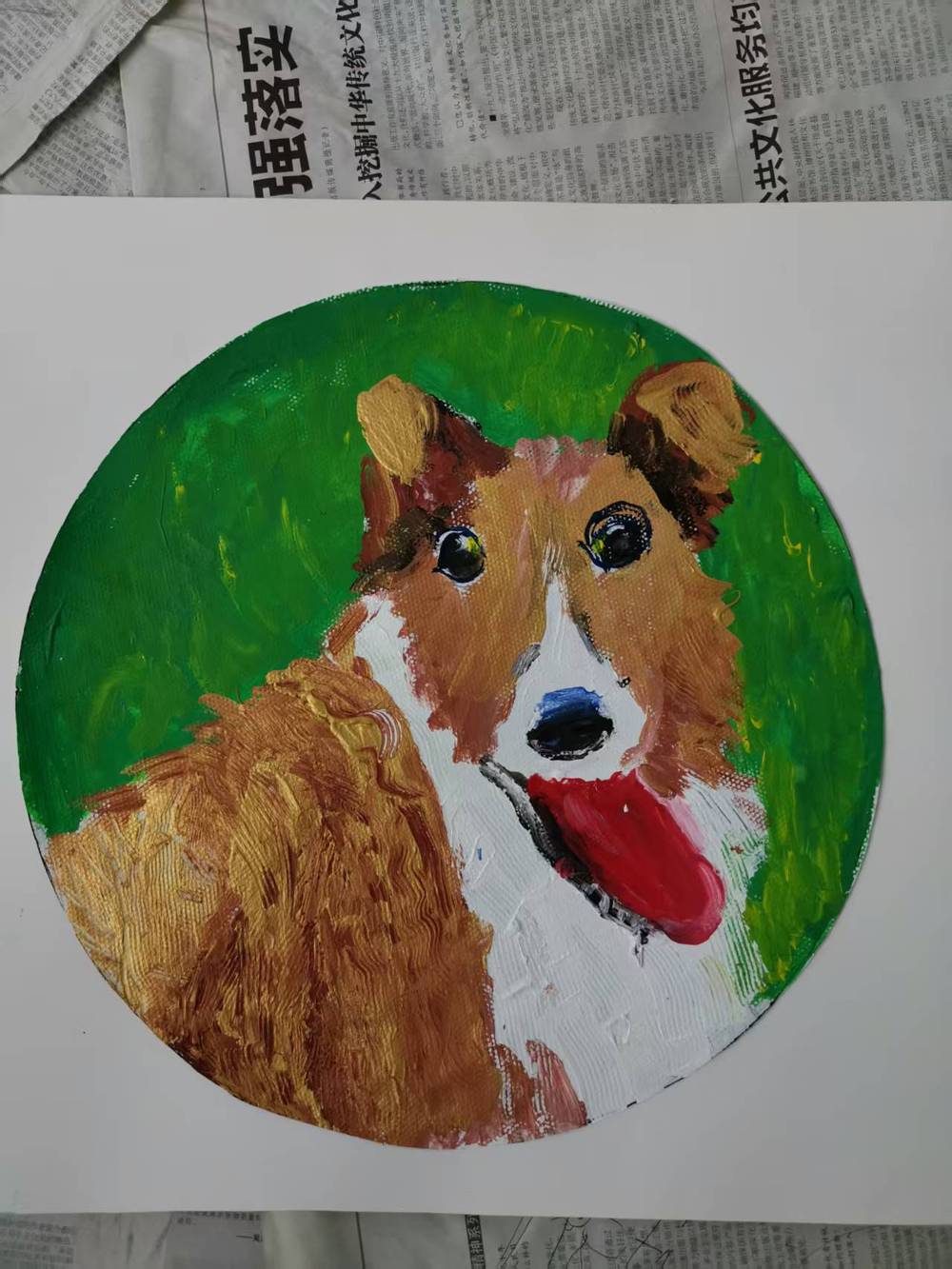
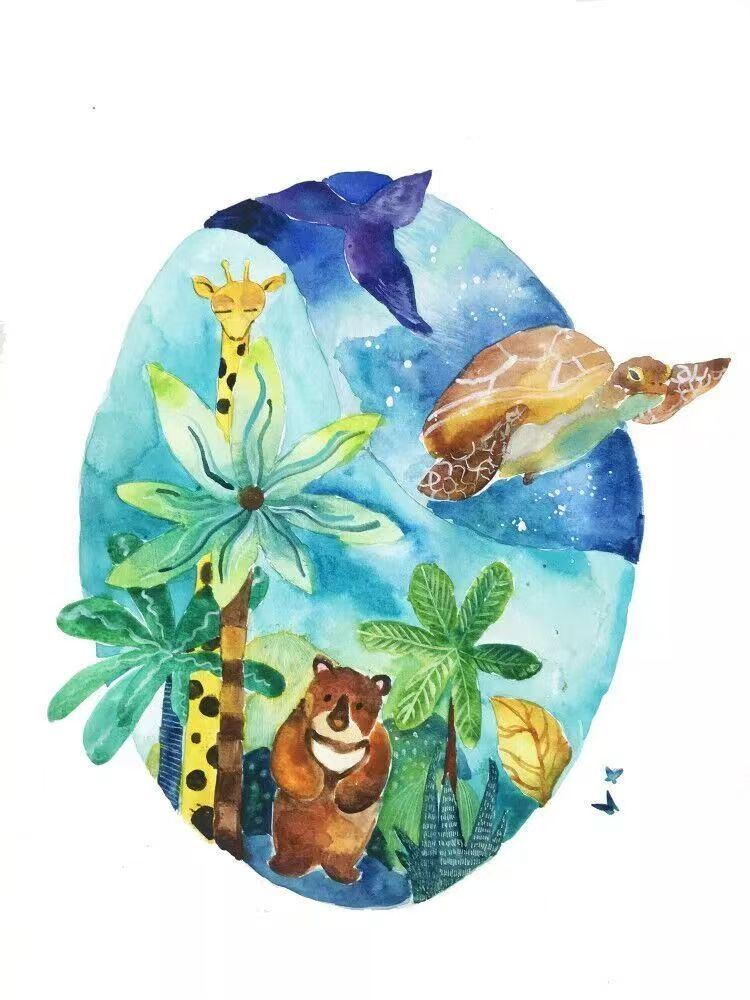
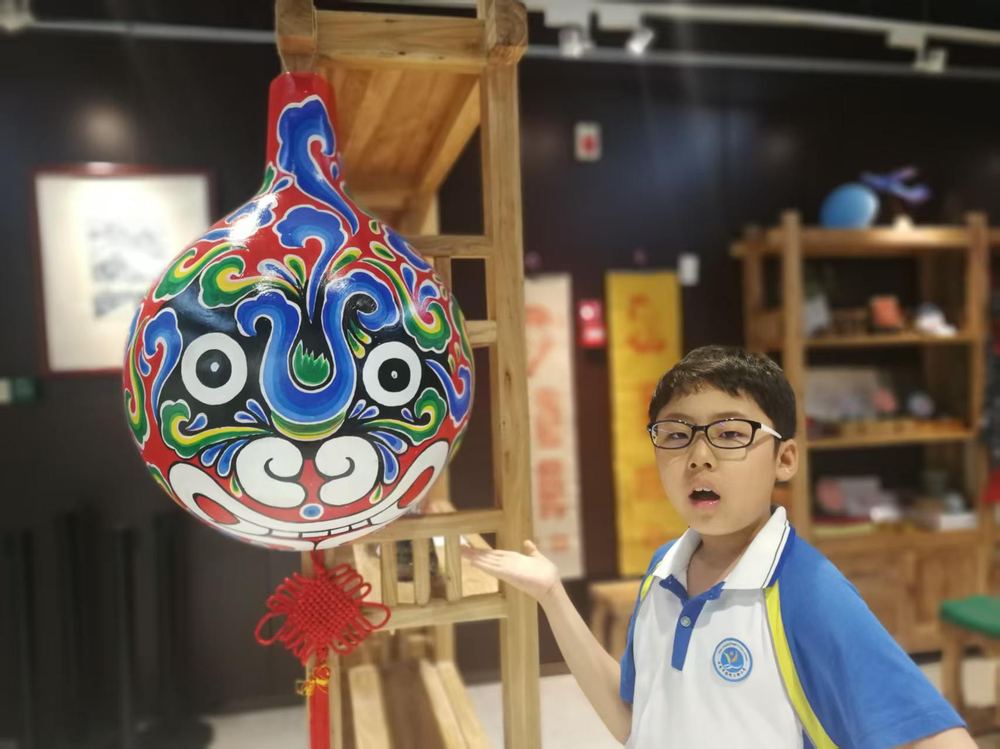
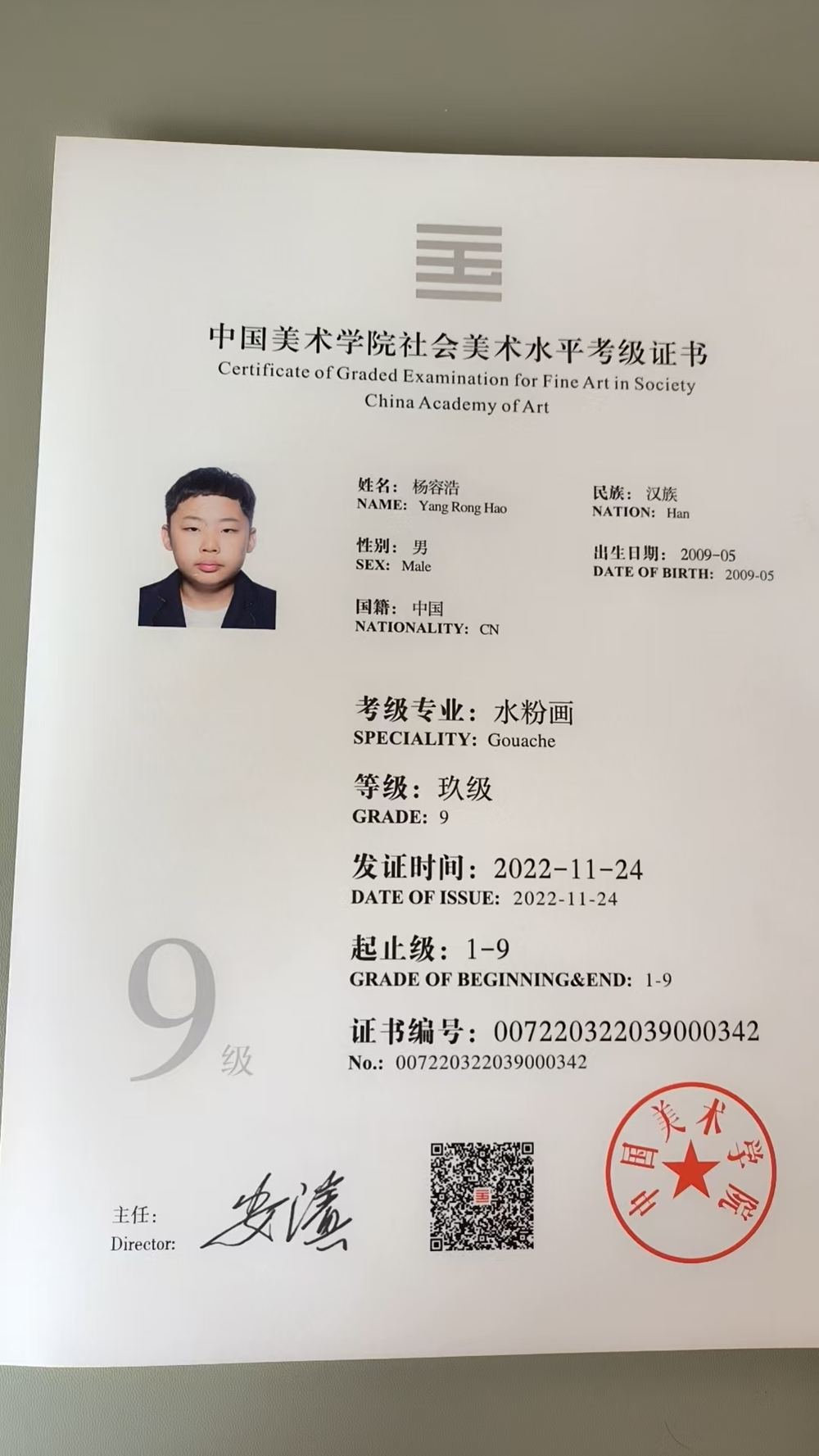
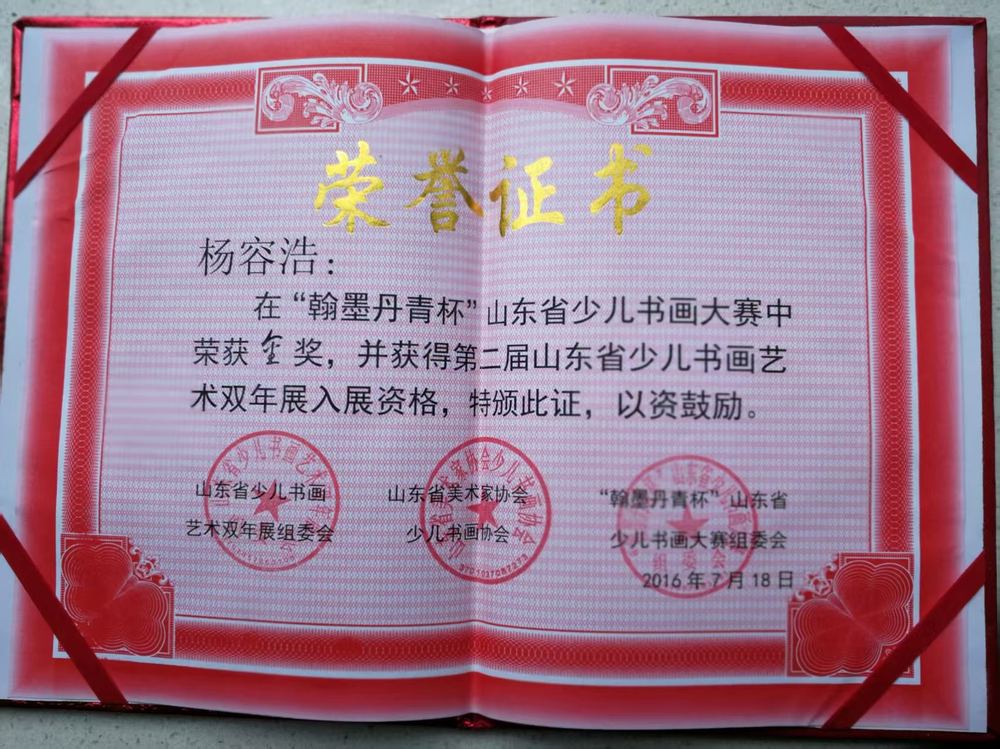
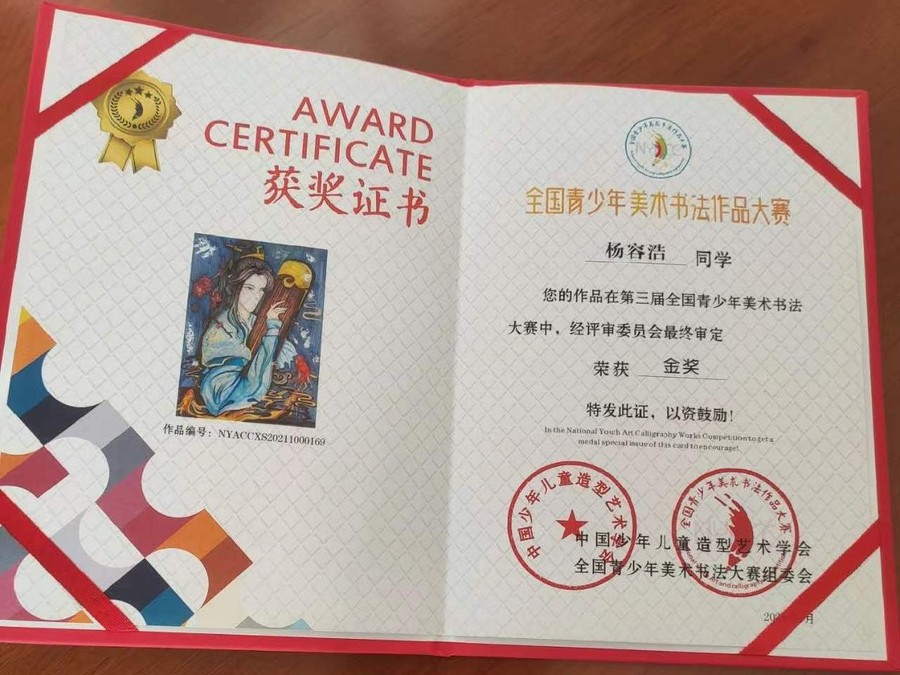
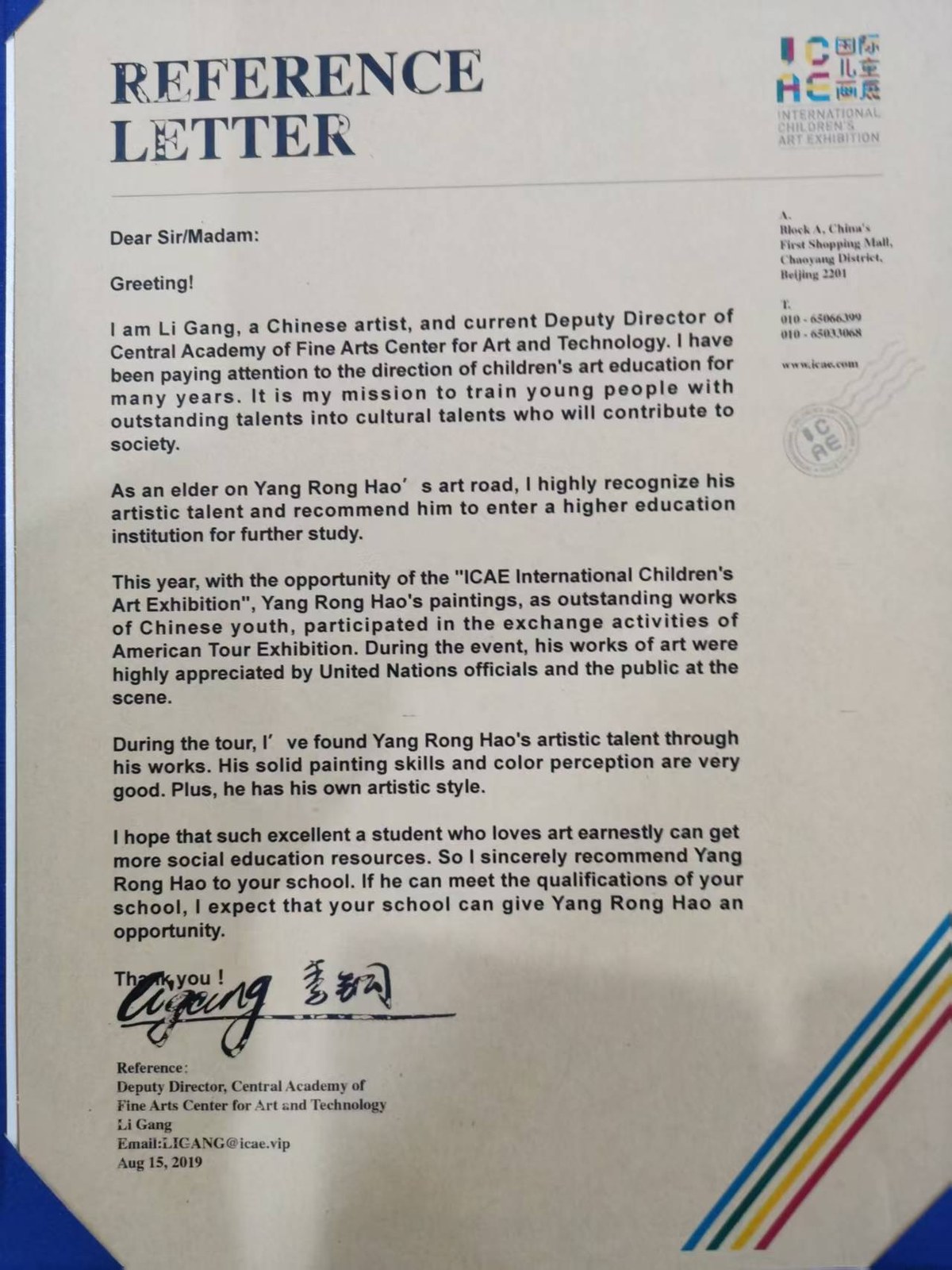
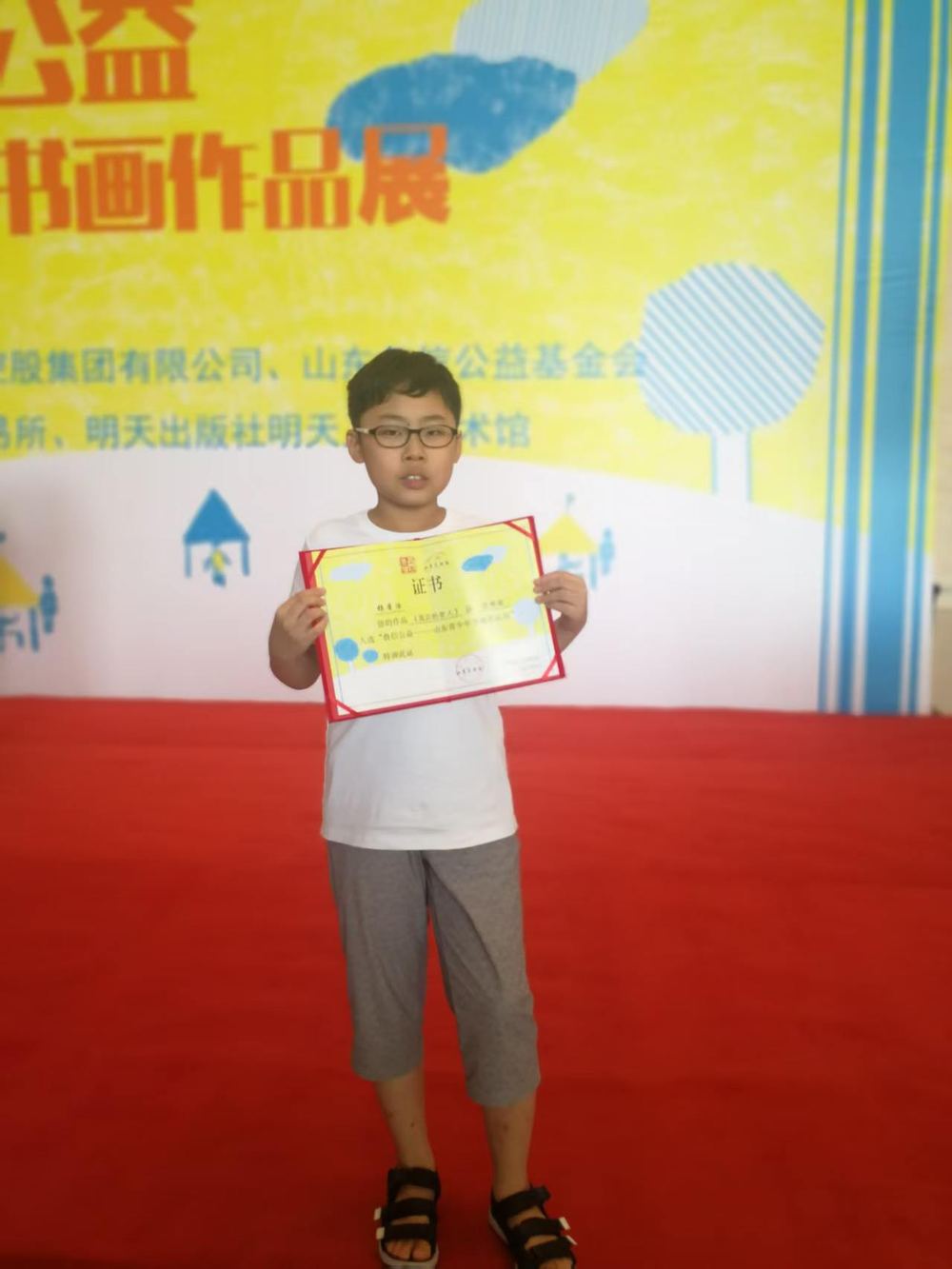
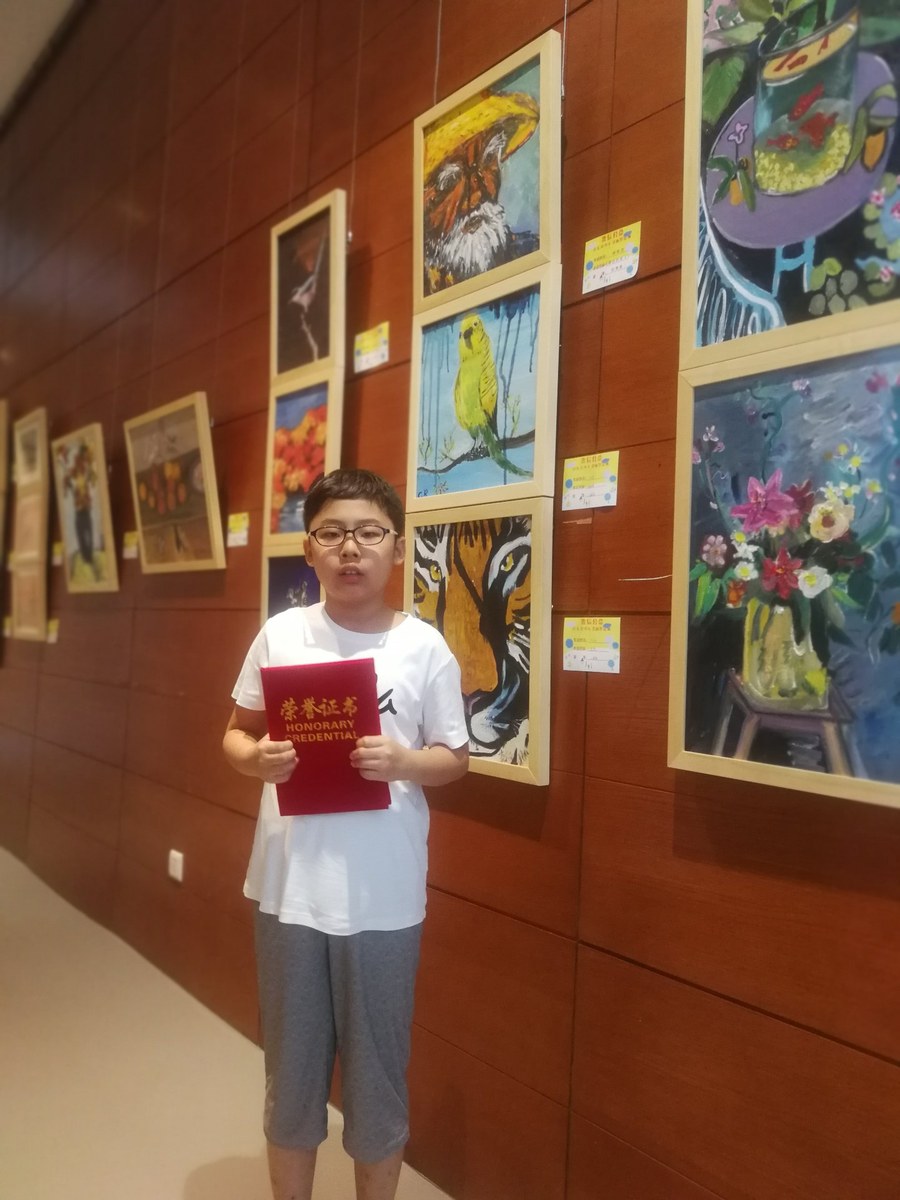
Long before the laboratory, there was a paintbrush. I hold Gouache Grade 9 — the highest level of the China Academy of Art's graded examination (2022), a Gold Award at the “Hanmo Danqing Cup” Shandong Children's Painting & Calligraphy Competition (2016), and a Gold Award at the 3rd National Youth Art & Calligraphy Competition (2021). Weekends often meant Shandong Kuaishu storytelling classes — the same voice that now carries my charity classrooms and lectures.
The painter's eye shapes every exhibition panel I design; the storyteller's voice carries every talk on this page.


Score 132 · top ~1% of ~300,000 candidates worldwide
USA Biology Olympiad Open Exam · top 10%
Top 10% globally
University of Waterloo · top 25%
Intermediate Biology Olympiad · top 10–20%
British Biology Olympiad · top 15–30%
Principal role in Mamma Mia!
Recognized for long-term public science service
3rd National Youth Art & Calligraphy Works Competition
Shanxi Chemical Industry, 2026, Issue 7 (Vol. 46) · ISSN 1004-7050 · 97.1% optimal degradation
Critical Debates in Humanities, Science and Global Justice academic blog, 2026 · editorially reviewed, not peer-reviewed
Open Journal of Ecology, Vol. 15 No. 12, Dec 2025 · DOI 10.4236/oje.2025.1512051 · ISSN 2162-1985
SSFT2026 Forum proceedings, Mar 2026 · ID SSFT26211
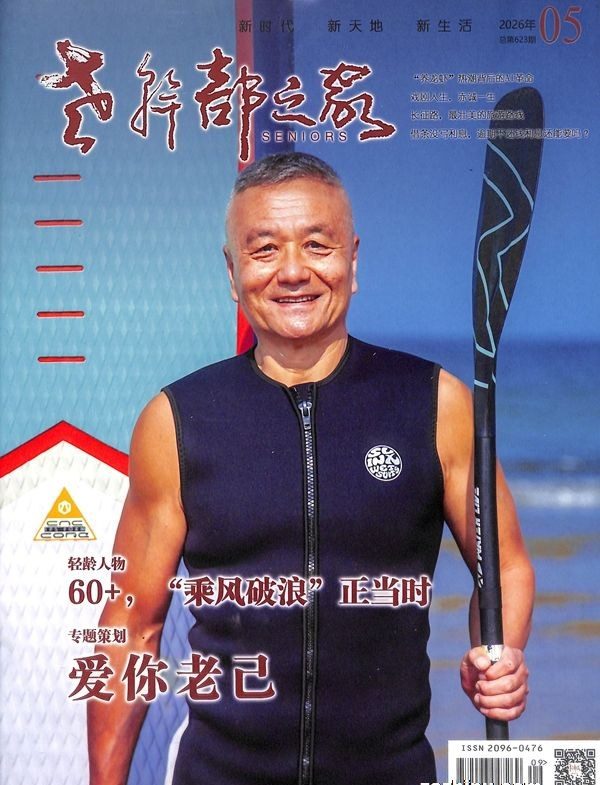
Home for Retired Cadres (《老干部之家》), 2026 Issue 5 · ISSN 2096-0476
A standalone digital archive I built for my hometown: all 72 famous springs across the four spring clusters — water-level timelines, classical texts from Li Daoyuan to Lao She, field research data, and the community memory project. Step inside.
Enter the Archive →
Questions about the springs project, collaborations, or school visits are always welcome.
108185986@qq.comJinan, Shandong, China · Shandong Experimental High School, International Department